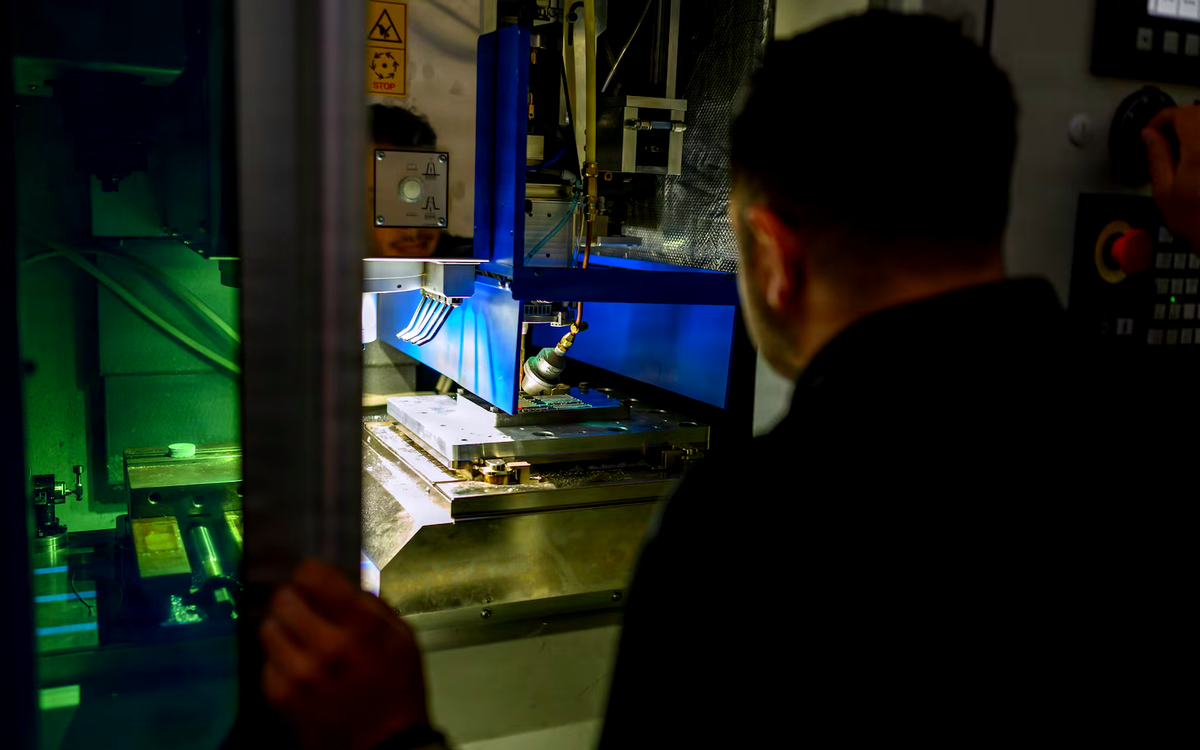
ADDiTEC deploys HYBRiD-X containerised metal manufacturing system aboard USS Theodore Roosevelt at RIMPAC 2026

Hardware
Originally reported by TCT Magazine
ADDiTEC’s HYBRiD-X expeditionary hybrid manufacturing system has been deployed aboard the Nimitz-class aircraft carrier USS Theodore Roosevelt (CVN 71) during Exercise Rim of the Pacific 2026. The installation forms part of the Naval Postgraduate School’s Consortium for Advanced Manufacturing Research and Education distributed Advanced Manufacturing network. It is described as the first deployment aboard a US Navy aircraft carrier of a containerised platform able to produce and repair critical metal components. The stated purpose is to manufacture replacement components aboard ship, reducing waits for mechanical parts and supporting sustainability during operations at sea.
For ADDiTEC, the deployment is a consequential operational reference because it places HYBRiD-X in a fleet exercise rather than a shore-based demonstration. The carrier setting concentrates the practical case for containerised metal manufacturing: a ship’s crew must diagnose a mechanical problem, develop a solution and restore capability with far less dependence on external replacement-part logistics. The Navy frames the effort as a step toward unit-level self-sufficiency and greater operational flexibility during extended deployments. This is a readiness and lead-time proposition, not a disclosed claim about production throughput, qualified part classes, materials, or the number of components manufactured.
Execution now matters more than the installation itself: the Navy and ADDiTEC must prove that crew training, part selection, repair procedures and equipment availability can fit shipboard maintenance practice. Aviation Structural Mechanic 1st Class Scott Barber said the aim is to cut lead time significantly, while Marine Innovation Unit specialist Sgt. Ronald Bair highlighted sailor and Marine training on the equipment. The stronger long-term evidence will be repeatable use on clearly defined critical components under the fleet’s engineering and maintenance controls.
Topics