Siemens Digital Industries Software is advancing its additive manufacturing portfolio by integrating...
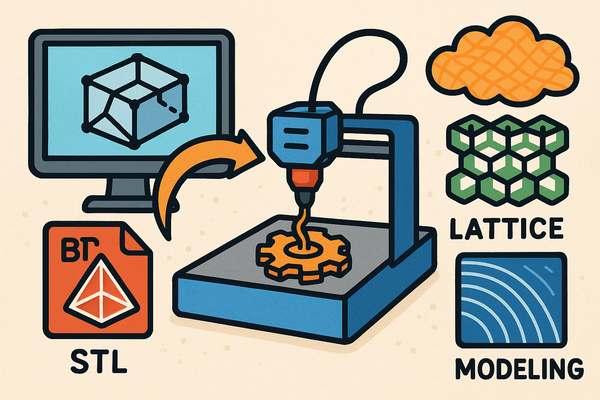
Siemens integrates convergent modeling and field-driven design into its NX software to streamline additive manufacturing workflows and eliminate reliance on traditional STL exports.

This development addresses a critical bottleneck in the AM value chain where the disconnect between CAD geometry and manufacturing-ready data often leads to data loss and inefficient workflows. As the industry moves toward high-volume production of parts in materials like Ti-6Al-4V and Inconel 718, the ability to maintain a unified digital thread from simulation to print is essential. Siemens is positioning its software to compete directly with specialized generative design platforms by embedding these advanced modeling tools into a broader, enterprise-grade PLM ecosystem. This shift reflects a broader market trend toward software that treats build recipes and process parameters with the same technical rigor as geometric dimensions.
For engineering teams, this update reduces the time spent on manual geometry repair and mesh optimization tasks. Users should focus on validating how these implicit modeling tools integrate with their existing simulation workflows to ensure that lattice structures meet performance requirements under load. The practical value lies in the reduction of data translation errors, which directly impacts the reliability of serial production runs in aerospace and medical device manufacturing.
Topics