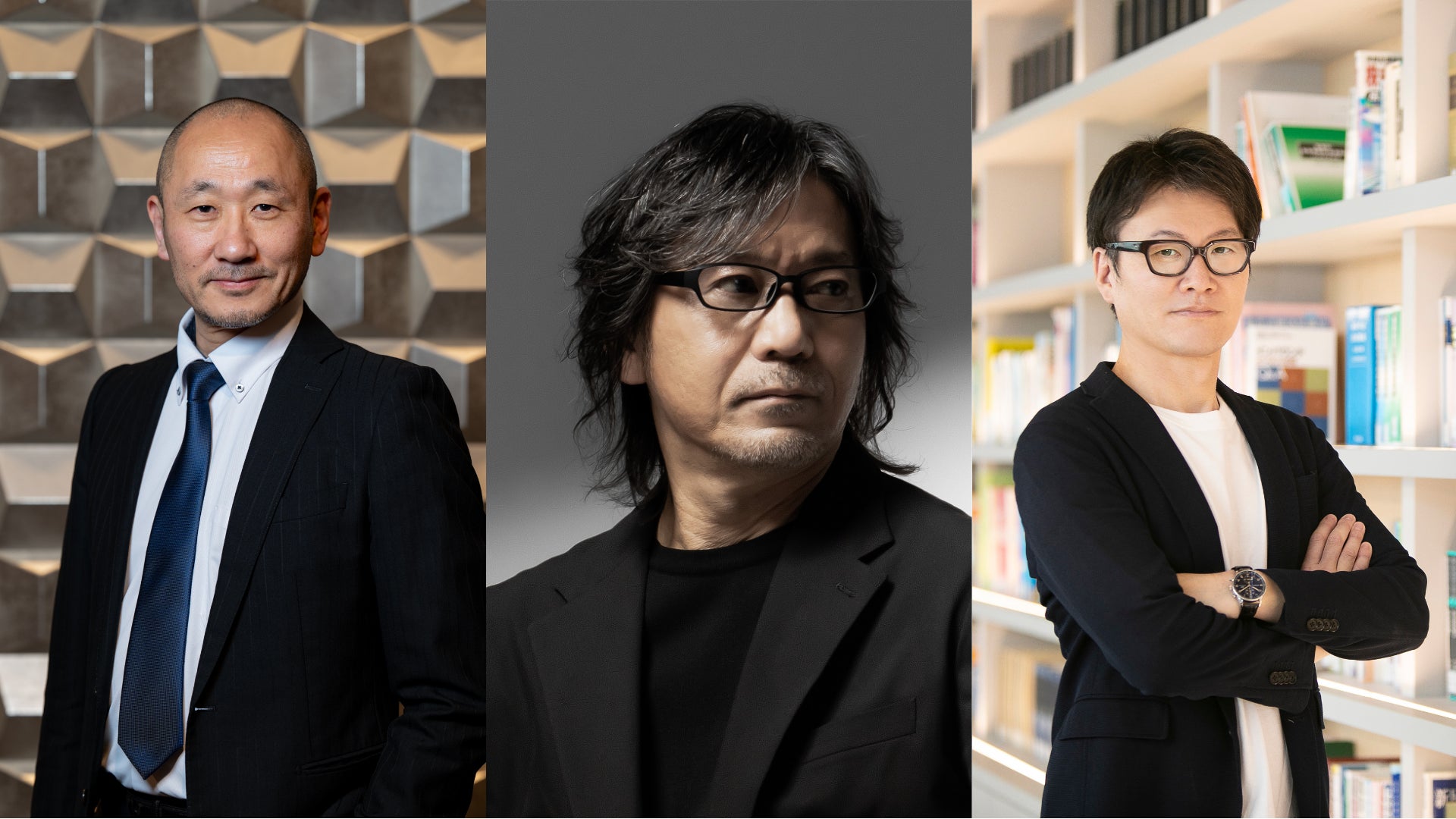
Appcycle, a Hirosaki-based startup specializing in bio-based leather, has appointed three new board members to accelerate the global expansion of its proprietary RINGO-TEX material.
Originally reported by PR TIMES
Appcycle, a Hirosaki-based startup specializing in bio-based leather, has appointed three new board members to accelerate the global expansion of its proprietary RINGO-TEX material. The new directors include Jun Katsunuma, Corporate Executive Chief Design Officer at NEC; Tomoyuki Namatame, President of Japan Tect Systems; and Masatoki Toyama, a former Japan Patent Office official. This leadership expansion aims to integrate design management, intellectual property strategy, and digital transformation expertise into the company's core operations. CEO Kei Fujimaki and Vice President Shohei Hatakeyama will lead this team as they transition from regional development to international market penetration for their apple-residue-derived leather.
This move highlights the increasing professionalization of the sustainable materials sector within the broader additive manufacturing and circular economy landscape. RINGO-TEX, which utilizes apple pomace to create a bio-based leather alternative, competes in a growing market for plant-based textiles that seek to replace petroleum-derived polyurethane and animal hides. By securing leadership with deep experience in intellectual property and corporate design, Appcycle is positioning itself to navigate the complex regulatory and branding requirements necessary for adoption by global luxury and automotive supply chains. The company currently operates at the intersection of material science and agricultural waste management, addressing the significant environmental burden of apple processing in Aomori, which produces approximately 60 percent of Japan's total apple output.
The appointment of specialized board members suggests that Appcycle is preparing for rigorous scaling and potential patent-heavy competition in the bio-material space. Industry observers should monitor the company's ability to standardize production quality and secure high-volume partnerships with global brands, which will be critical for validating the economic viability of their circular business model. Future milestones will likely involve the expansion of their material portfolio beyond apple-based feedstocks and the establishment of international distribution channels for their bio-based leather products.
This article is an AI-assisted rewrite of the linked source report. Facts originate from the source; phrasing is AMPulse's. Use Read Original below to verify, or Report an issue if something is wrong.
Topics