Aurora Labs to acquire large-format metal 3D printer with A$2M government grant for defence propulsion

Hardware
Originally reported by defenceconnect.com.au
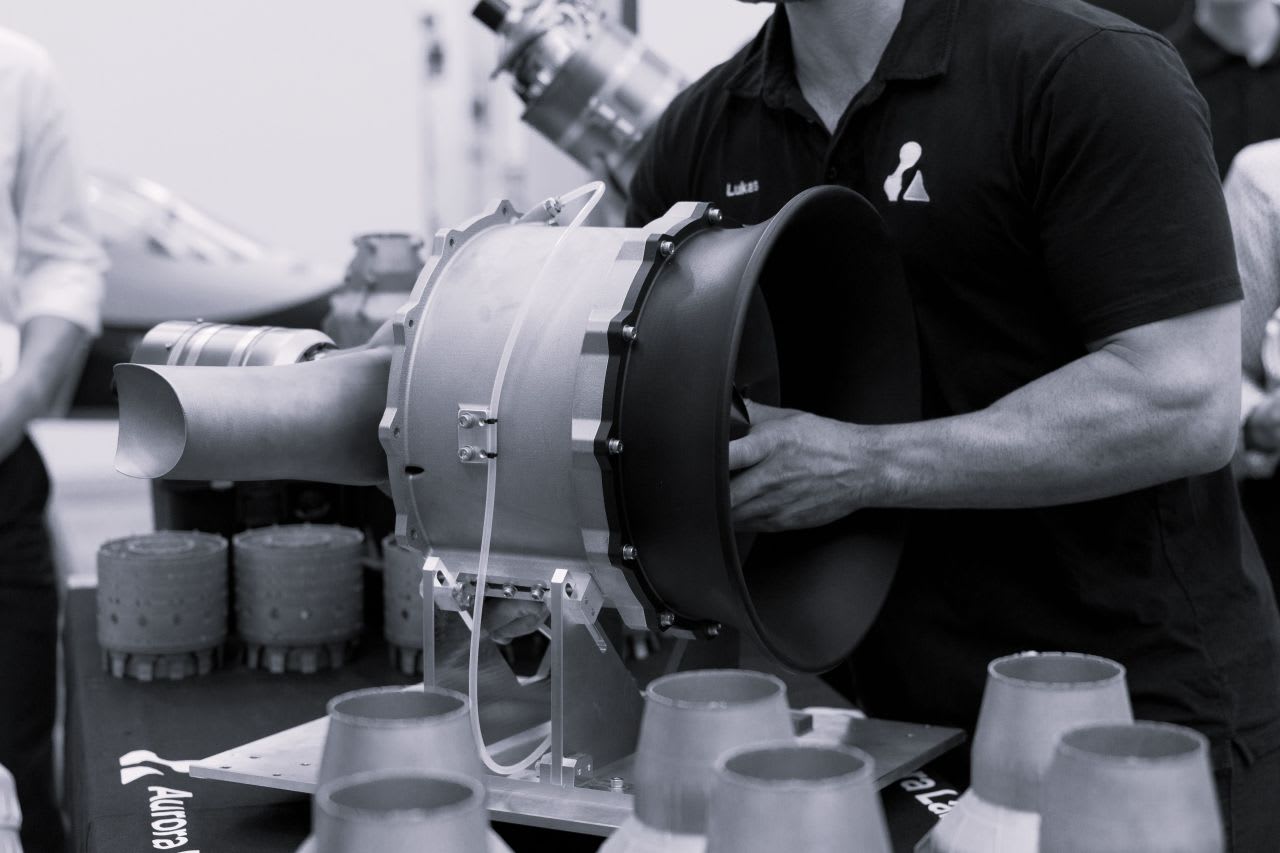
Aurora Labs, an Australian advanced propulsion manufacturing company, announced it will move forward with plans to scale production of its micro gas turbine propulsion systems and acquire a large-format commercial metal 3D printer. The company secured a A$1 million Defence Industry Development Grant from the Australian Government, matched by a A$1 million co-investment from Aurora Labs, for a total A$2 million investment. The printer will enable scaled production of propulsion systems for loitering munitions, counter-UAS interceptors, target drones, and other attritable platforms for Australian and allied defence programs. No specific printer brand, model, or technology was named in the announcement.
This move sits within the politically accelerated 2025–26 defence wave, where sovereign capability mandates are driving domestic AM investment. Aurora Labs is positioning itself as a vertically integrated propulsion supplier, using metal AM to produce complex micro gas turbine hardware rather than selling printers as a service. The company's strategy mirrors the broader defense pattern where AM adoption is driven not by cost-per-part economics but by supply-chain resilience and program-speed requirements. The grant's A$2 million total is modest by industrial AM standards, but the policy signal matters: the Australian government is explicitly funding AM production capacity for attritable systems, a category that demands rapid iteration and low-volume, high-complexity production.
The key test for Aurora Labs is execution: acquiring a large-format printer is the easy step, while qualifying the printer, powder, and process for micro gas turbine applications for defence certification is the hard, multi-quarter grind. The company must demonstrate that its propulsion designs can transition from prototype to qualified production on the new equipment without a multi-year requalification cycle. For defence buyers and industry observers, this is a pragmatic bet on domestic capacity: Aurora Labs needs to prove it can produce flight-ready hardware, not just demo parts, before any program commitment follows. The grant buys time and tooling, not market position.
Topics