Auxilium Biotechnologies Bioprints Kidney and Liver Tissue Aboard the ISS During Mission AXLM-3

Hardware
Originally reported by 3D Printing Industry
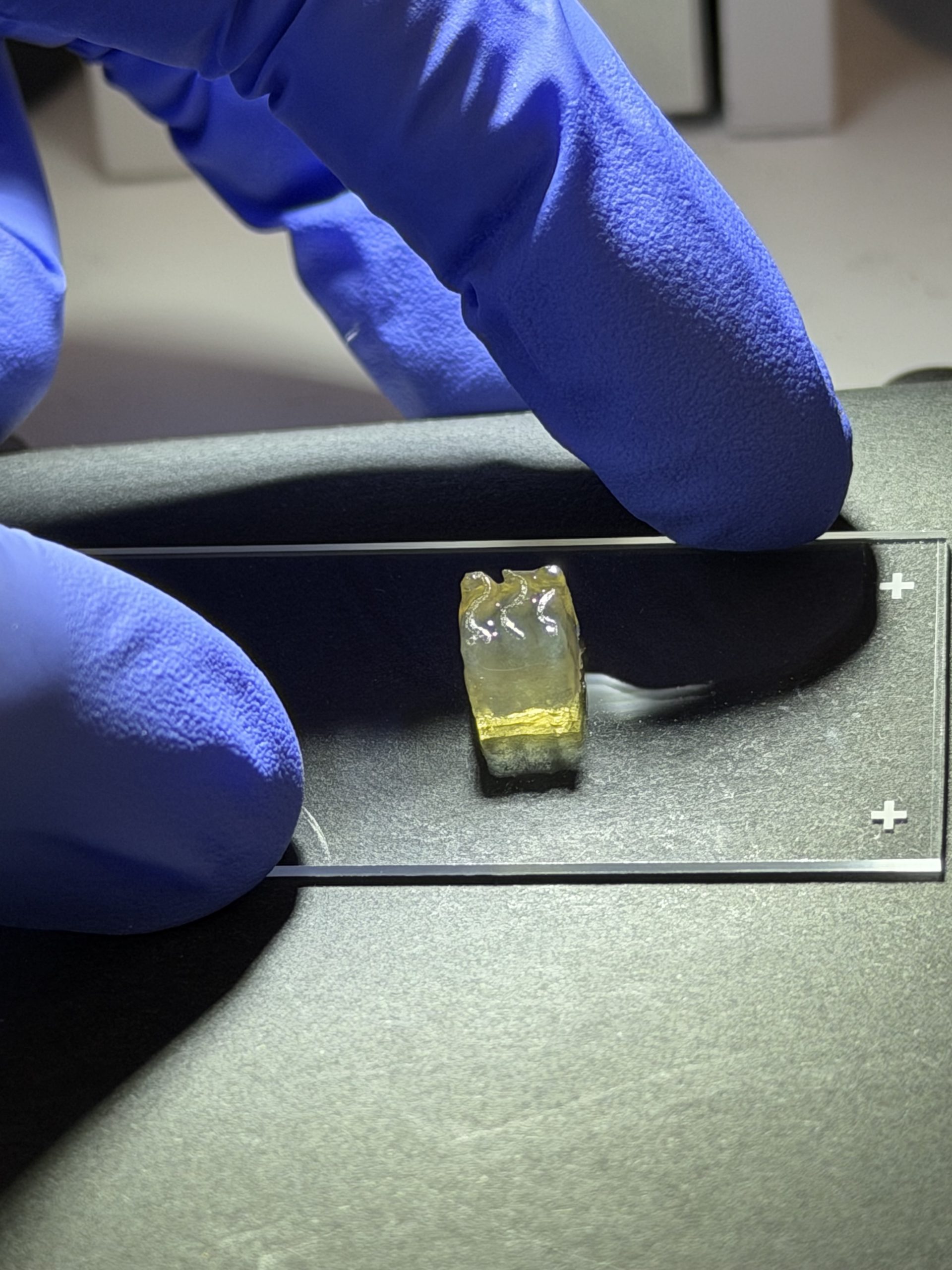
Auxilium Biotechnologies, a clinical-stage biotechnology company, has successfully bioprinted kidney and liver tissue aboard the International Space Station (ISS) for the first time in orbit. The tissues, along with cartilage and 28 nerve repair implants, were produced using the company's AMP-1 bioprinting platform during Mission AXLM-3, which launched on SpaceX-34 and splashed down off the California coast on June 17, 2026. The mission marks the first time three distinct tissue types have been manufactured during a single spaceflight, and the first time a single manufacturing platform has produced both living tissue and implantable medical devices on the same flight. The kidney and liver tissues were fabricated using cells and tissue designs from the Wake Forest Institute for Regenerative Medicine (WFIRM), with Auxilium supplying the orbital manufacturing hardware.
This achievement moves orbital bioprinting beyond simple vascular tubes and nerve implants into complex, metabolically active organ tissues. Kidney and liver tissue present a fundamentally harder challenge because microgravity removes the gravitational forces that cause soft tissue to collapse under its own weight on Earth, enabling more complex internal geometries like the channel structures these organs require. WFIRM had previously sent 3D printed liver tissue to the ISS in August 2025 to study microgravity's effects on growth and stability, building on its earlier NASA Vascular Tissue Challenge work. The ability to produce multiple tissue types and implantable devices on a single flight shifts the narrative from experimental demonstrations toward the kind of repeatable, multi-product orbital manufacturing that could eventually support organoid production for drug screening and disease modeling, a priority for both the FDA's New Approach Methodologies initiative and NIH funding programs.
For Auxilium, the practical next step is proving that the AMP-1 platform can maintain consistent cell viability and tissue function across repeated missions, not just achieve firsts. The company must demonstrate that orbital manufacturing economics - launch costs, hardware reuse, and post-flight tissue quality - can compete with terrestrial bioprinting for applications like organoid production and implant fabrication. Buyers in pharmaceutical R&D and regenerative medicine should watch for peer-reviewed data on tissue function metrics from this mission, as that will determine whether orbital bioprinting moves from a headline-generating capability to a commercially viable tool.
Topics