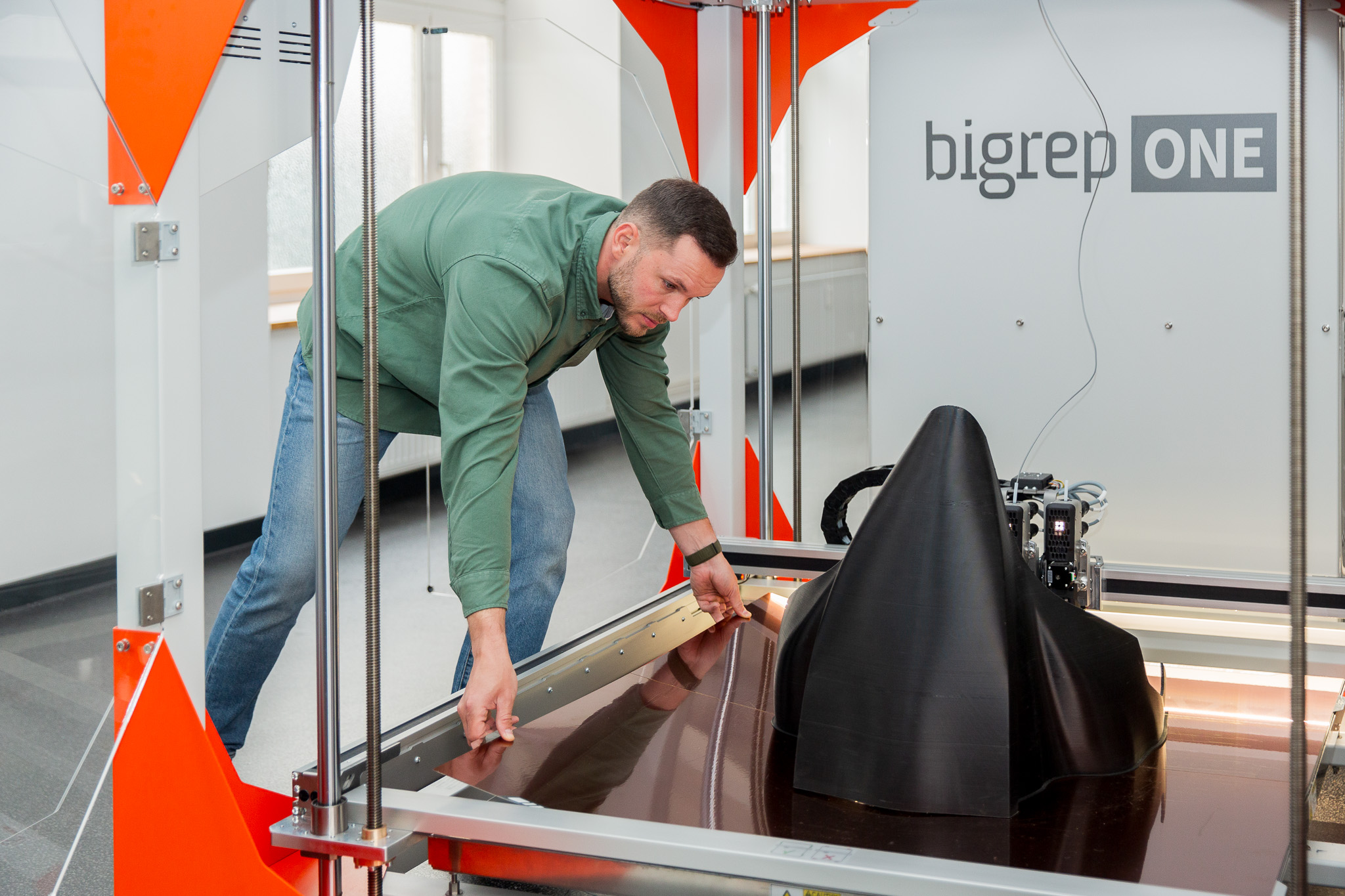
BigRep Launches ONE.5X 3D Printer and Integrates Massive Dimension Pellet Extrusion at RAPID + TCT 2026.

Hardware
Originally reported by 3DPrint.com
BigRep Launches ONE.5X 3D Printer and Integrates Massive Dimension Pellet Extrusion at RAPID + TCT 2026. BigRep, headquartered in Berlin with significant US operations, unveiled the ONE.5X at the RAPID + TCT 2026 event in Boston. This system serves as an automated iteration of the previous ONE.5 model, focusing on streamlined maintenance and setup for large-format polymer additive manufacturing. Concurrently, the company detailed its integration partnership with Vermont-based Massive Dimension, incorporating the MDX pellet extruder into the BigRep ONE platform. The companies plan to make this combined pellet-extrusion solution commercially available by the end of 2026 to support high-throughput production using recycled polymer feedstocks.
This development addresses the growing industrial demand for cost-effective, large-scale polymer parts, particularly as supply chain volatility increases the price of standard thermoplastic filaments. By shifting toward pellet-based extrusion, BigRep is positioning its hardware to leverage lower-cost, sustainable materials, directly competing with other large-format FDM/FFF providers like Ingersoll Machine Tools and Thermwood. The move reflects a broader industry trend toward reducing material overhead in large-part production, where the cost of pelletized feedstock is significantly lower than traditional filament spools. This integration places BigRep in a stronger position to capture market share in sectors requiring rapid prototyping and tooling at scale.
For industrial users, the transition to the ONE.5X and the MDX extruder represents a practical shift toward higher material flexibility and lower operational costs. The success of this platform depends on BigRep's ability to maintain print reliability while managing the complexities of pellet-fed extrusion at scale. Buyers should evaluate the specific material compatibility and throughput rates of the MDX integration against their existing filament-based workflows to determine the potential for cost savings in their specific production environments.
This article is an AI-assisted rewrite of the linked source report. Facts originate from the source; phrasing is AMPulse's. Use Read Original below to verify, or Report an issue if something is wrong.
Topics