Continuum Powders Launches Custom Foundry Runtime Service for Small-Batch Alloy Orders

Materials
Originally reported by 3DPrint.com
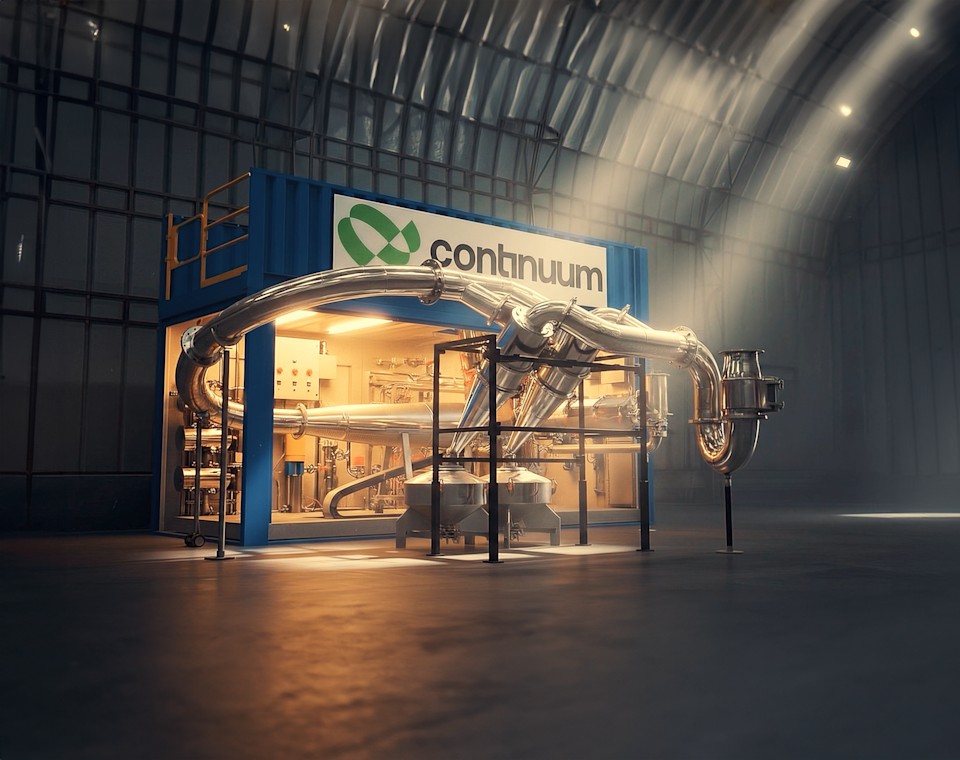
Continuum Powders, the Houston-based metal materials supplier, has introduced Custom Foundry Runtime (CFR), an on-demand service enabling customers to order custom alloys in small batches. Leveraging the company's proprietary Greyhound Melt-to-Powder (M2P) platform, CFR converts scrap metal directly into fresh powder without the traditional ingot intermediate step. CEO Jon Cozens stated the service targets typical batch sizes ranging from 100 kg/day for complex trials up to 500 kg/day for stable production runs, specifically designed for high-mix, low-volume manufacturing needs and high-value materials such as gold and platinum.
This launch directly addresses a structural gap in the metal AM materials supply chain: the industry's historical reliance on large-volume atomization contracts that penalize R&D groups, specialty alloy developers, and small-batch users. CFR positions Continuum as a bridge between conventional powder suppliers and these underserved segments, a critical move as defense and consumer electronics verticals increasingly demand rapid materials qualification without committing to tonnage-scale orders. The ability to process scrap in-house also ties into supply chain resilience trends, where recycling reduces dependency on volatile primary metal markets-a pragmatic hedge given ongoing geopolitical disruptions affecting aluminum and energy prices.
From a metals value-chain perspective, the service's real test will be whether Continuum can maintain consistent particle size distribution and chemistry tolerances across frequent alloy changes, a known pain point for small-batch atomization. Buyers working with precious or specialized alloys should evaluate CFR's qualification documentation and turnaround guarantees against their existing powder suppliers. If Continuum executes reliably on this model, it could carve a durable niche at the intersection of materials innovation and production flexibility, without needing to compete head-on with large-scale atomizers.
This article is an AI-assisted rewrite of the linked source report. Facts originate from the source; phrasing is AMPulse's. Use Read Original below to verify, or Report an issue if something is wrong.