Coruzant identifies AI-driven generative design and bioprinting as primary 2026 additive manufacturing trends
Originally reported by coruzant.com
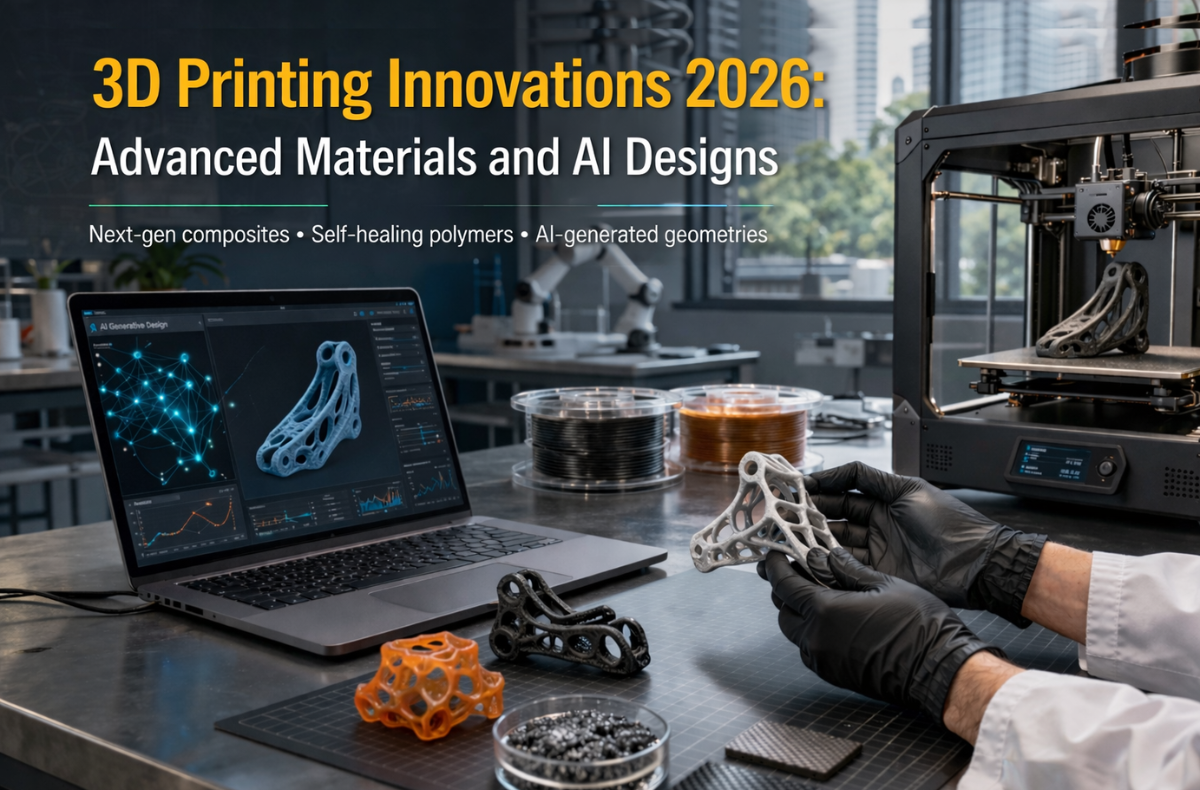
In a March 2026 report, Coruzant outlines the current trajectory of additive manufacturing, emphasizing the integration of AI-driven generative design and bioprinting as core pillars for industrial advancement. The analysis highlights the transition of these technologies from experimental phases to production-ready applications, specifically noting the role of generative algorithms in reducing material waste and optimizing structural integrity in complex parts. The report also details the expansion of Large-Scale Additive Construction (LSAC) and multi-material systems, which are currently being deployed to streamline aerospace turbine repair and on-site medical manufacturing.
These trends reflect a broader market shift toward digital integration and point-of-care production, moving away from centralized, high-volume manufacturing models. While competitors like Desktop Metal and Stratasys continue to refine their respective binder jetting and FDM/PolyJet platforms, the focus on AI-assisted software integration is becoming a critical differentiator for hardware OEMs. The adoption of these technologies is addressing long-standing bottlenecks in supply chain resilience and material efficiency, particularly in high-value sectors like aerospace and healthcare where custom, low-volume production is essential.
For industrial users, the practical takeaway is that software-defined manufacturing is now a prerequisite for hardware performance. Organizations should prioritize the integration of digital twin workflows to validate structural performance before committing to physical builds. Success in 2026 will depend on the ability to bridge the gap between generative design software and multi-material hardware systems to ensure consistent, repeatable output.
Topics