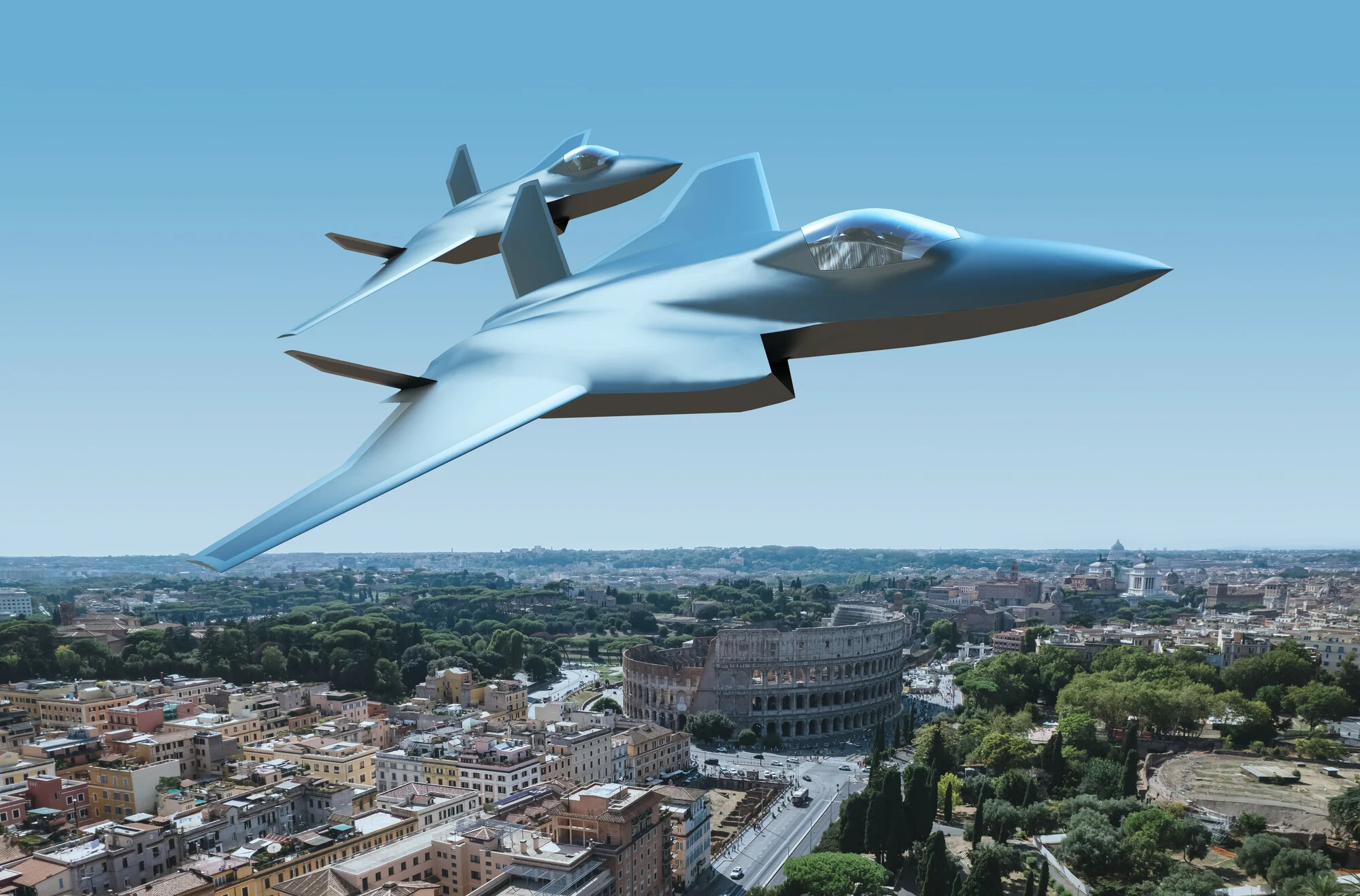
Edgewing secures £4.6bn contract for GCAP sixth-generation fighter design phase

Application
Originally reported by adsadvance.co.uk
The UK, Italy, and Japan have signed a £4.6 billion contract through the Global Combat Air Programme (GCAP) Agency with Edgewing, the trinational joint venture established to lead design and development of the sixth-generation combat aircraft. Edgewing brings together BAE Systems (UK), Leonardo (Italy), and Japan Aircraft Industrial Enhancement Co Ltd. The contract moves GCAP into its next major design phase, covering advanced concept, assessment, and detailed design activity ahead of full-scale development, with the aircraft targeted for service entry from 2035. UK Minister for Defence Readiness and Industry Luke Pollard confirmed the award comes days after the Defence Investment Plan allocated £8.6 billion for GCAP over the next four years, underlining the programme's centrality to Britain's future combat air strategy.
This contract positions Edgewing at the center of one of the most significant defense industrial programs globally, with direct implications for advanced manufacturing. The Ministry of Defence confirmed that GCAP has already delivered advances in digital engineering and advanced manufacturing, including additive manufacturing, AI, robotics, and augmented reality to accelerate design, testing, and production. For the AM industry, this represents a multi-decade, program-duration lock-in for suppliers and technology partners that embed themselves in GCAP's qualification and production workflows. The program currently supports 4,500 UK jobs across 600 supply chain organizations, with intent to strengthen sovereign capability in digital engineering, propulsion, sensors, and data systems. The program's scale and trinational structure create a protected defense market with distinct qualification requirements, similar to the aerospace qualification grind seen in programs like the GE LEAP fuel nozzle, where AM success becomes embedded infrastructure rather than a headline.
From a practical standpoint, this contract signals that AM technologies already proven in GCAP's early phases must now scale to meet the rigors of full design, testing, and eventual production for a sixth-generation fighter. The real work lies ahead: translating demonstration successes into repeatable, qualified processes that satisfy three nations' certification regimes. Suppliers should expect extended qualification timelines and program-duration lock-in rather than rapid commercial scaling, with the payoff being long-term revenue visibility rather than near-term market share growth.
Topics