ELM Fabrication faces operational uncertainty following the liquidation of EIT Manufacturing, a public-private partnership that served as a critical funding conduit for the Maltese startup.

Hardware
Originally reported by 3DPrint.com
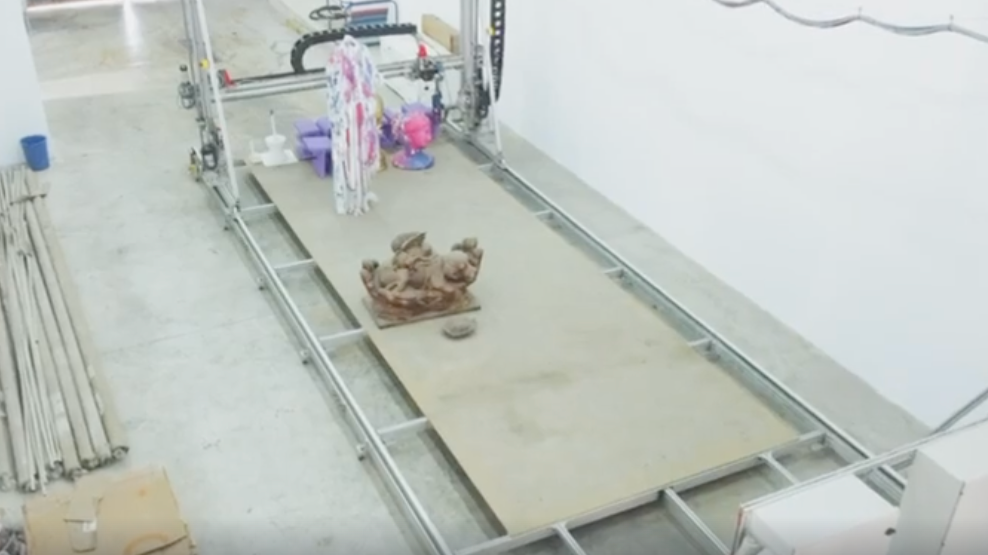
ELM Fabrication faces operational uncertainty following the liquidation of EIT Manufacturing, a public-private partnership that served as a critical funding conduit for the Maltese startup. Founded by engineers David Sciberras and Nicholas Borg Calleja, ELM Fabrication has developed a large-scale additive manufacturing system featuring a 2m x 2m x 6m build volume designed for industrial-scale production. The collapse of EIT Manufacturing, triggered by an OLAF investigation into financial irregularities, has left approximately 200 startups, including ELM, in a state of financial limbo regarding pending grant disbursements. The firm must now navigate the loss of this institutional backing while managing the capital-intensive requirements of maintaining its proprietary large-format hardware development.
The disruption highlights the inherent risks associated with reliance on public-private funding models for deep-tech hardware ventures. While ELM Fabrication occupies a niche in the large-format AM market, it faces direct competition from established players in the construction and heavy industrial sectors that utilize concrete or polymer-based extrusion technologies. The current funding gap underscores the vulnerability of startups that depend on EU-devolved grant structures to bridge the gap between prototype development and commercial scale-up. As the European additive manufacturing ecosystem reevaluates its financial oversight, companies in this position face increased pressure to secure private venture capital or strategic industrial partnerships to ensure operational continuity.
For ELM Fabrication, the immediate priority is to clarify the status of its grant-based commitments and secure alternative liquidity to sustain its R&D roadmap. Potential customers and partners should verify the company's current delivery timelines and financial stability before committing to long-term industrial projects. The situation serves as a practical reminder that hardware-focused startups require diversified funding sources to mitigate the impact of institutional instability in public grant programs.
This article is an AI-assisted rewrite of the linked source report. Facts originate from the source; phrasing is AMPulse's. Use Read Original below to verify, or Report an issue if something is wrong.
Topics