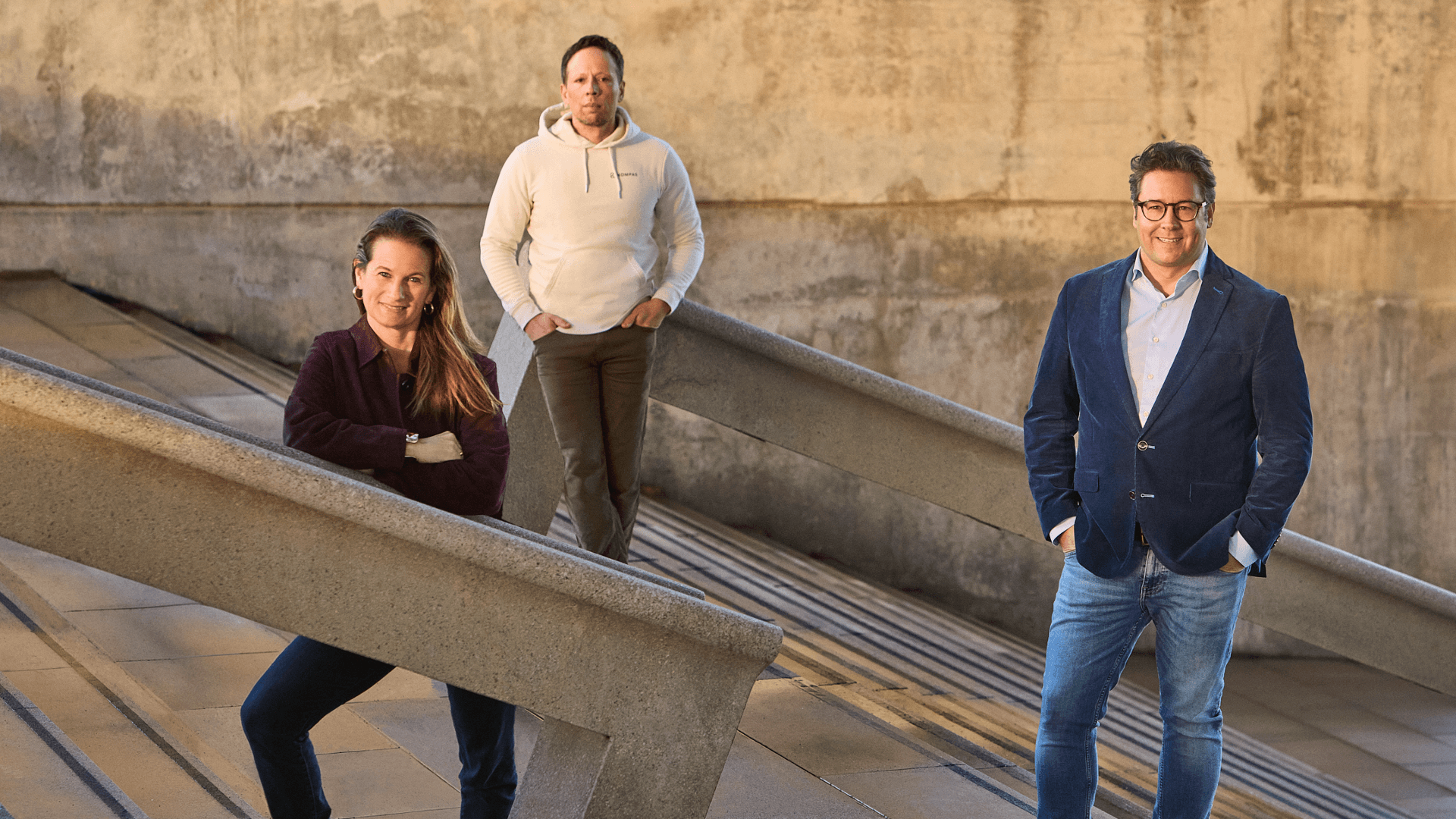
KOMPAS VC closes €160M Fund II for industrial tech startups
Originally reported by tech.eu
KOMPAS VC, an early-stage venture capital firm headquartered in Copenhagen, Denmark, has announced the final close of its second fund at €160 million. The fund attracted continued backing from existing anchor investor VKR Holding and new institutional capital from Realdania. KOMPAS VC invests from seed to Series B across Europe and North America, with initial cheques between €1 million and €5 million, targeting technologies that improve productivity, resilience, and decarbonisation in physical industries including manufacturing, energy, advanced materials, and logistics. Partner Sebastian Peck stated the firm prioritises understanding operational friction from legacy infrastructure and complex buying cycles that stall industrial transformation.
This fund close is significant for the additive manufacturing and industrial technology ecosystem because it represents patient, domain-specific capital directed at the hardest part of industrial adoption: integration with existing workflows. KOMPAS VC's thesis directly addresses the pattern of IP lock-in grind and the aerospace qualification grind, where startups often fail not on technical merit but on navigating legacy infrastructure, certification pathways, and multi-year buying cycles. The fund's focus on industrial AI, robotics, and cybersecurity that can be deployed in real-world environments aligns with the growing recognition that software and workflow integration - not just hardware - are the rate-limiting steps for scaling AM and deep-tech in sectors like energy, industrial-tooling, and cross-vertical manufacturing. The €160M corpus positions KOMPAS VC as a meaningful counterpart to US-based deep-tech funds, particularly for European startups that need capital paired with industrial partnership access rather than pure financial engineering.
For founders building in metal AM, industrial software, or advanced materials, the practical takeaway is that KOMPAS VC's model rewards startups that can articulate how their technology reduces friction in existing industrial operations, not just how it outperforms in a lab. The firm's ability to recycle capital from Fund I into Fund II with institutional backing suggests its thesis is gaining traction with LPs who understand industrial timelines. The next test will be whether its portfolio companies can demonstrate commercial traction at Series B and beyond, where the capital requirements for scaling industrial hardware and software diverge sharply from SaaS benchmarks.
This article is an AI-assisted rewrite of the linked source report. Facts originate from the source; phrasing is AMPulse's. Use Read Original below to verify, or Report an issue if something is wrong.
Topics