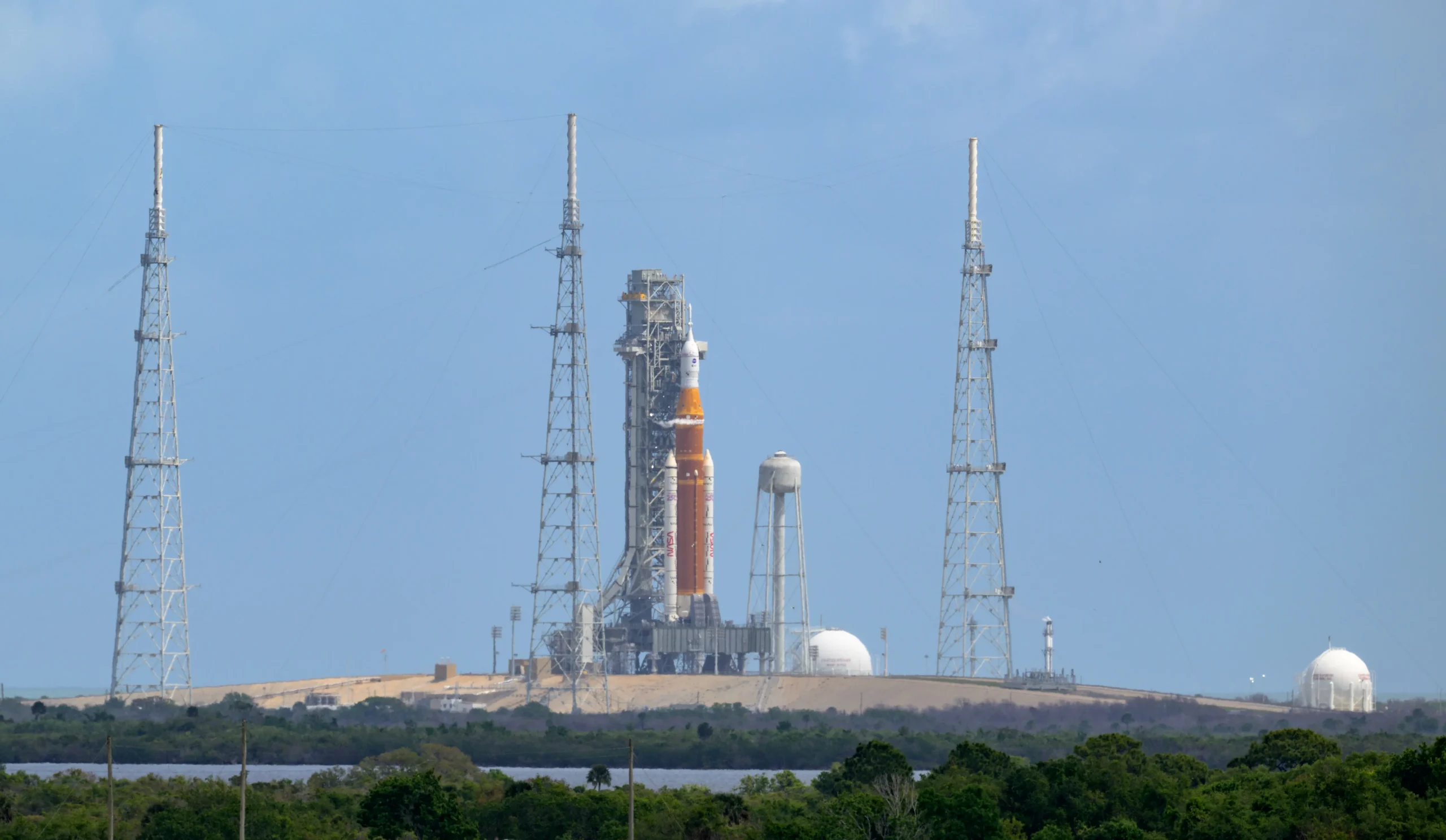
Lockheed Martin has successfully integrated metal 3D printed components into the Orion spacecraft for the Artemis II mission, which launched on April 1, 2026, from the Kennedy Space Center in Florida.
Originally reported by 3DPrint.com
Lockheed Martin has successfully integrated metal 3D printed components into the Orion spacecraft for the Artemis II mission, which launched on April 1, 2026, from the Kennedy Space Center in Florida. These components, manufactured using laser powder bed fusion (LPBF) technology, were subjected to rigorous flight certification and reliability testing to ensure performance during the 10-day crewed lunar flyby. The integration represents a strategic move by Lockheed Martin to utilize additive manufacturing for complex, flight-critical hardware that requires high strength-to-weight ratios and consolidated part geometries.
This deployment underscores the increasing adoption of additive manufacturing within the aerospace sector, where traditional subtractive methods often struggle with lead times and material waste for complex geometries. Lockheed Martin competes with major aerospace primes like Boeing and Northrop Grumman in the integration of metal AM for space-rated hardware. By moving from prototyping to flight-certified end-use parts, the company is addressing the critical need for sustainable, long-term lunar infrastructure. The shift toward AM in the Artemis program reflects a broader industry trend of reducing part count and assembly complexity in high-stakes space exploration environments.
Lockheed Martin must now focus on scaling the qualification process for a broader range of alloys and geometries to further reduce mission costs. For the supply chain, this confirms that flight-certified metal AM parts are no longer experimental but are now standard components of deep-space architecture. Future success depends on maintaining strict process control and repeatability as the volume of printed parts on subsequent Artemis missions increases.
This article is an AI-assisted rewrite of the linked source report. Facts originate from the source; phrasing is AMPulse's. Use Read Original below to verify, or Report an issue if something is wrong.
Topics