Lockheed Martin tests additive metal construction with Divergent for defense platforms

Platform
Originally reported by 3Druck
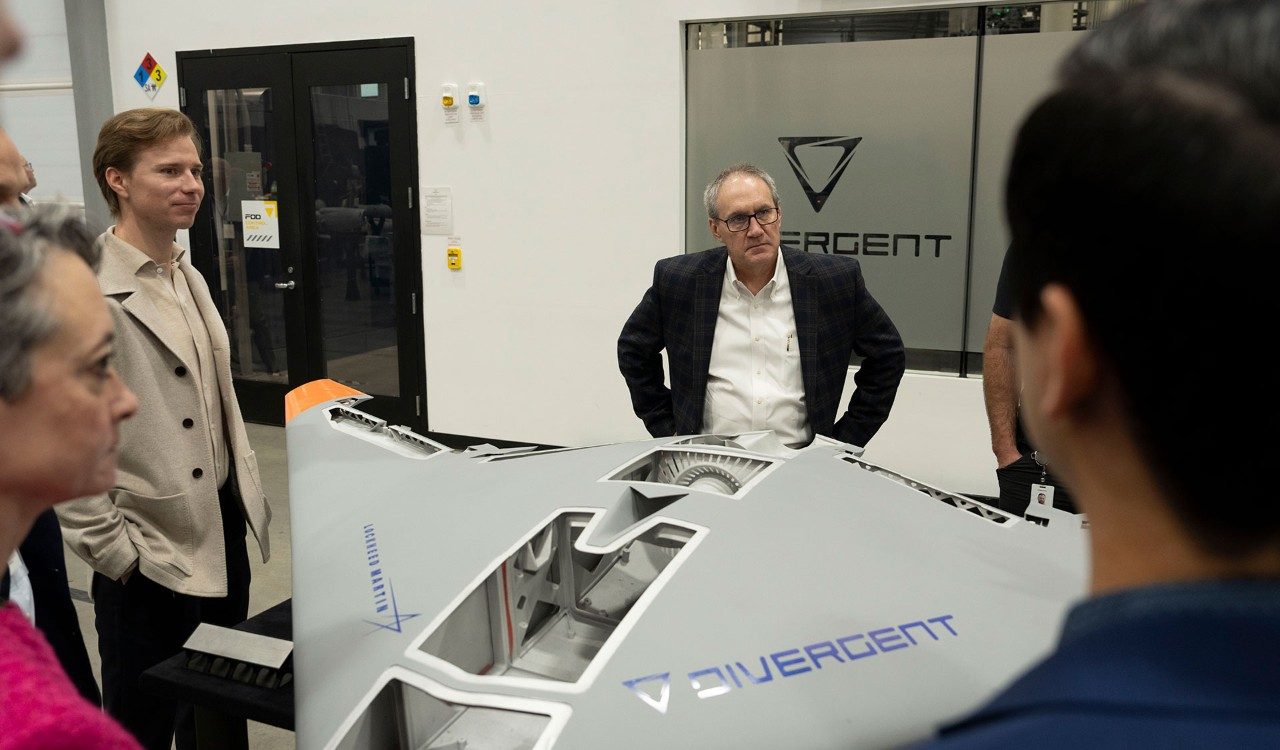
Lockheed Martin has deepened its collaboration with Divergent, the Los Angeles-based additive manufacturing and digital engineering company, testing metal 3D-printed structures for defense applications. The partnership, which began with a $25 million strategic investment from Lockheed Martin in 2024, centers on Divergent's Adaptive Production System (DAPS) - an integrated platform combining computational design, simulation, additive manufacturing, and assembly. A concrete outcome is the Replicator unmanned aerial vehicle, a roughly nine-foot wingspan aircraft developed with Lockheed Martin Skunk Works, which moved from concept to first physical prototype in under one year. Lockheed Martin teams are now evaluating applications spanning munitions components, airframe structures, and rotorcraft systems, using the collaboration to assess where additive processes can reduce supply chain rigidity and accelerate development cycles.
This partnership fits a recurring pattern in defense AM adoption: a major prime contractor uses a targeted investment and joint development project to de-risk a novel production approach before committing to program-scale qualification. For Divergent, the Lockheed Martin relationship provides a high-credibility reference in the defense vertical, where qualification burden is extreme and program-duration lock-in is the norm. The Replicator project demonstrates that DAPS can compress the concept-to-prototype timeline - a critical advantage for defense programs facing rapid threat evolution. However, the aerospace qualification grind remains the binding constraint: moving from a successful prototype to certified series production for flight-critical structures typically takes years, not months. The collaboration also highlights the growing importance of integrated digital workflows over standalone printer performance, as primes increasingly seek turnkey production systems rather than individual machines.
From a practical standpoint, Divergent must now demonstrate that DAPS can deliver repeatable, qualified production at scale - not just rapid prototyping. The Replicator project provides a test case, but Lockheed Martin's evaluation across multiple application areas suggests the prime is still gathering data rather than committing to a specific production line. For the AM industry, this deal reinforces that defense primes are willing to invest in novel production approaches, but the path to revenue remains gated by qualification, material certification, and supply chain integration - not by prototype speed alone.
This article is an AI-assisted rewrite of the linked source report. Facts originate from the source; phrasing is AMPulse's. Use Read Original below to verify, or Report an issue if something is wrong.