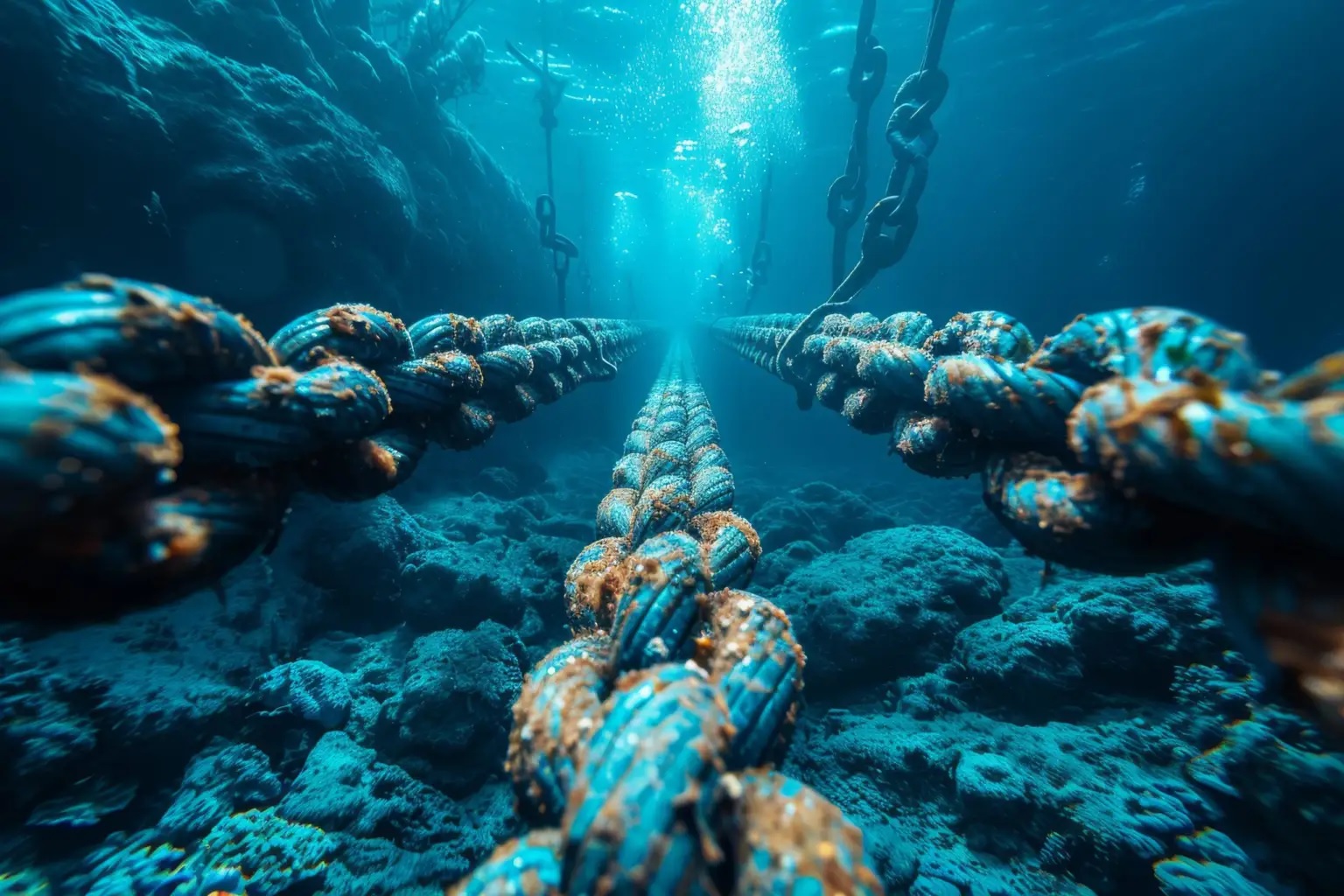
LUYTEN 3D and the University of Wollongong have successfully developed an underwater 3D concrete printing system that utilizes a proprietary single-mix material formulation.

Hardware
Originally reported by dredgewire.com
LUYTEN 3D and the University of Wollongong have successfully developed an underwater 3D concrete printing system that utilizes a proprietary single-mix material formulation. This technology eliminates the need for chemical accelerators or washout-preventing additives, relying instead on material science to ensure structural integrity in submerged environments. Project lead Dr. Aziz Ahmed and LUYTEN 3D CEO Ahmed Mahil confirmed that the system has passed initial trials, positioning it for deployment in coastal infrastructure, offshore wind farm anchoring, and defense-related marine projects. The development represents a significant shift in additive manufacturing for civil engineering, moving away from complex multi-stage underwater construction processes.
This development addresses a critical bottleneck in marine infrastructure, where traditional concrete placement often requires expensive, environmentally sensitive chemical additives to prevent material degradation during the curing process. By simplifying the logistics of underwater deployment, LUYTEN 3D is positioning itself to compete with conventional marine construction firms that rely on labor-intensive formwork and specialized underwater casting. The global marine construction market is increasingly prioritizing sustainable, low-impact solutions, and this technology offers a more efficient alternative to traditional methods. As a hardware and material innovation, this system strengthens LUYTEN 3D's position in the infrastructure sector, providing a distinct advantage over competitors who remain reliant on standard rapid-setting concrete mixtures.
The elimination of chemical additives lowers the environmental footprint of marine construction, aligning with global sustainability mandates and potentially reducing long-term maintenance costs for coastal assets. Industry stakeholders should monitor the transition from controlled trials to large-scale, open-water pilot projects, as this will determine the scalability of the single-mix formulation. Future adoption will likely depend on the system's ability to maintain performance across varying water depths and currents, which remains the next technical hurdle for the team.
This article is an AI-assisted rewrite of the linked source report. Facts originate from the source; phrasing is AMPulse's. Use Read Original below to verify, or Report an issue if something is wrong.
Topics