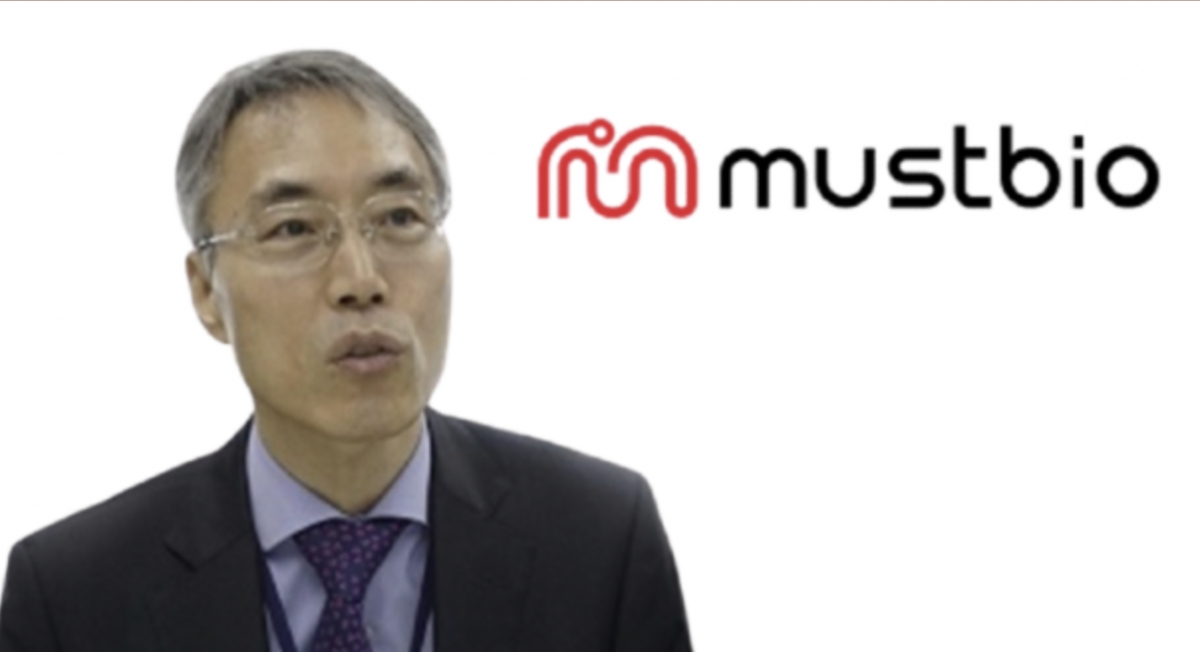
MustBio secures 35 billion KRW in Series C funding to advance multi-antibody and cytokine-based immunotherapy platforms.
Originally reported by unicornfactory.co.kr
MustBio secures 35 billion KRW in Series C funding to advance multi-antibody and cytokine-based immunotherapy platforms. The round was led by new investors Atinum Investment and BNH Investment, with continued participation from existing backers including Korea Investment Partners, Premier Partners, and Partners Investment. This capital injection brings the company's total cumulative funding to 635 billion KRW since its 2021 inception. CEO Kim Maeng-seop plans to allocate these funds toward clinical development of the IL-2 based candidate MB5 and the research and development of the IL-7 based triple-fusion immunotherapy candidate MB7.
This investment underscores the growing investor confidence in specialized biopharmaceutical platforms that leverage BICSTA multi-antibody technology and STARKINE cytokine engineering. By focusing on tumor-selective immune activation, MustBio addresses the critical efficacy and safety limitations inherent in traditional systemic immunotherapy treatments. The company occupies a strategic position in the drug discovery value chain, bridging the gap between proprietary protein engineering and clinical-stage oncology applications. This development places MustBio in direct competition with global biotech firms developing next-generation cytokine therapies, where precision targeting is the primary differentiator for market success.
The infusion of capital and ongoing collaborations with partners like Celltrion and participation in the JLABS Korea program signal a transition toward more intensive global clinical validation. Industry observers should monitor the upcoming clinical trial milestones for MB5 and the potential for further licensing agreements as the company expands its international footprint. This funding round reflects a broader trend of capital concentration in South Korean biotech firms capable of demonstrating both technical differentiation and robust institutional backing.
This article is an AI-assisted rewrite of the linked source report. Facts originate from the source; phrasing is AMPulse's. Use Read Original below to verify, or Report an issue if something is wrong.