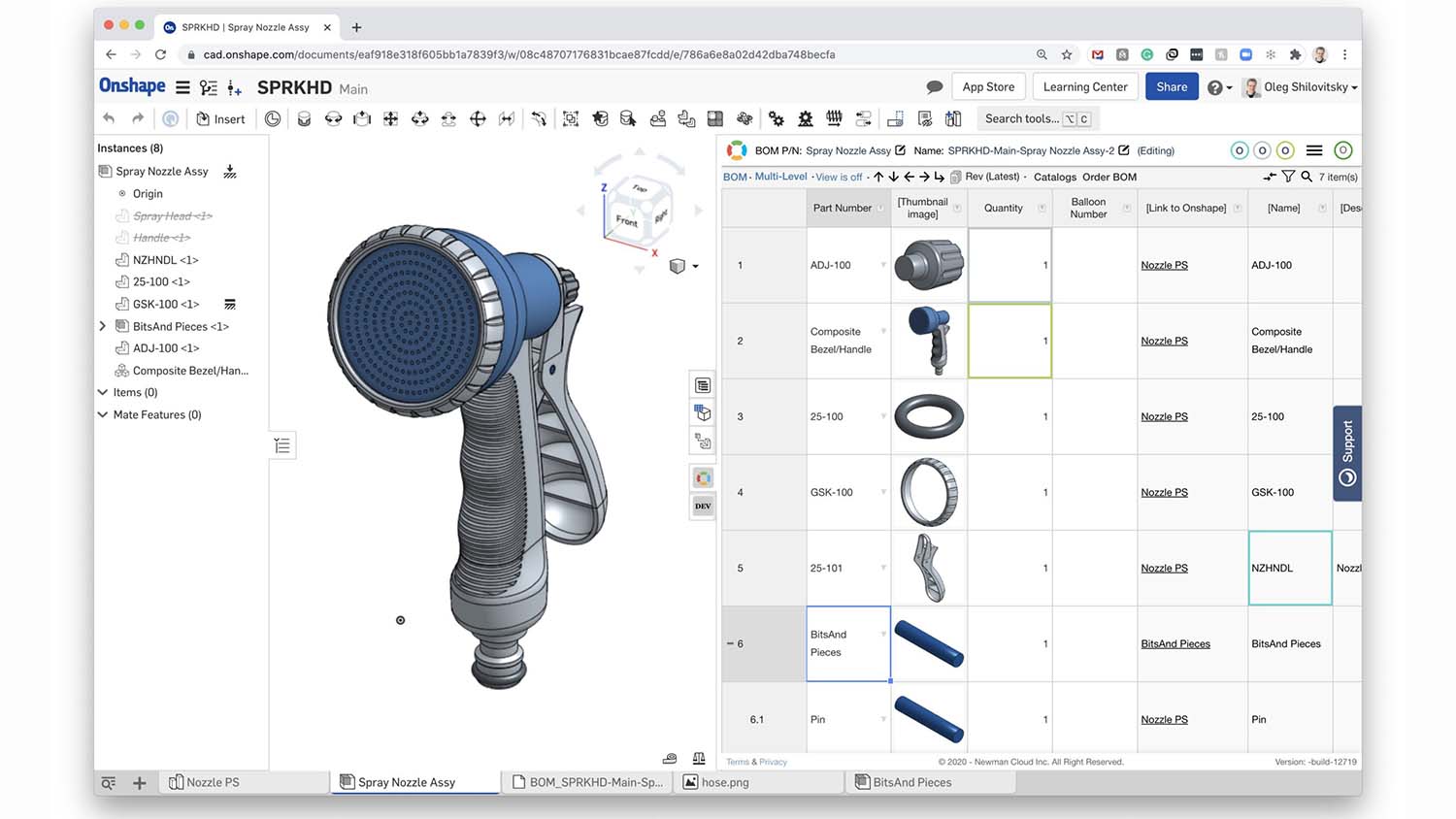
OpenBOM and AMC Bridge partner to integrate multi-platform manufacturing data workflows.
Originally reported by 3DPrint.com
OpenBOM and AMC Bridge partner to integrate multi-platform manufacturing data workflows. OpenBOM, a cloud-native product lifecycle management and bill of materials platform, has partnered with AMC Bridge, a software development consultancy specializing in engineering and construction data, to address interoperability bottlenecks. The collaboration focuses on creating custom integrations that allow seamless data exchange between disparate CAD environments and downstream production systems. This initiative aims to bridge the gap between design-centric platforms like CATIA and the operational requirements of manufacturing teams, ensuring that product data remains consistent across the entire digital thread.
This partnership addresses the persistent challenge of data silos in complex manufacturing environments where engineering teams often utilize a mix of legacy desktop software and modern cloud-based tools. In the additive manufacturing sector, where precise data transfer from design to machine-specific build files is critical, the inability to synchronize bills of materials and engineering changes often leads to production delays and quality control failures. By automating the flow of information between heterogeneous systems, this integration reduces manual data entry errors and accelerates the transition from design to final part production. This is particularly relevant for high-mix, low-volume manufacturing environments that rely on diverse software stacks to manage complex assemblies.
For users, this partnership means reduced friction when managing engineering changes across multiple CAD platforms and production databases. The success of this integration depends on the ability of the AMC Bridge team to maintain robust, version-controlled data pipelines that accommodate the specific metadata requirements of additive manufacturing processes. Manufacturers should evaluate their current software interoperability gaps to determine if these custom bridges can replace existing manual data synchronization workflows.
This article is an AI-assisted rewrite of the linked source report. Facts originate from the source; phrasing is AMPulse's. Use Read Original below to verify, or Report an issue if something is wrong.
Topics