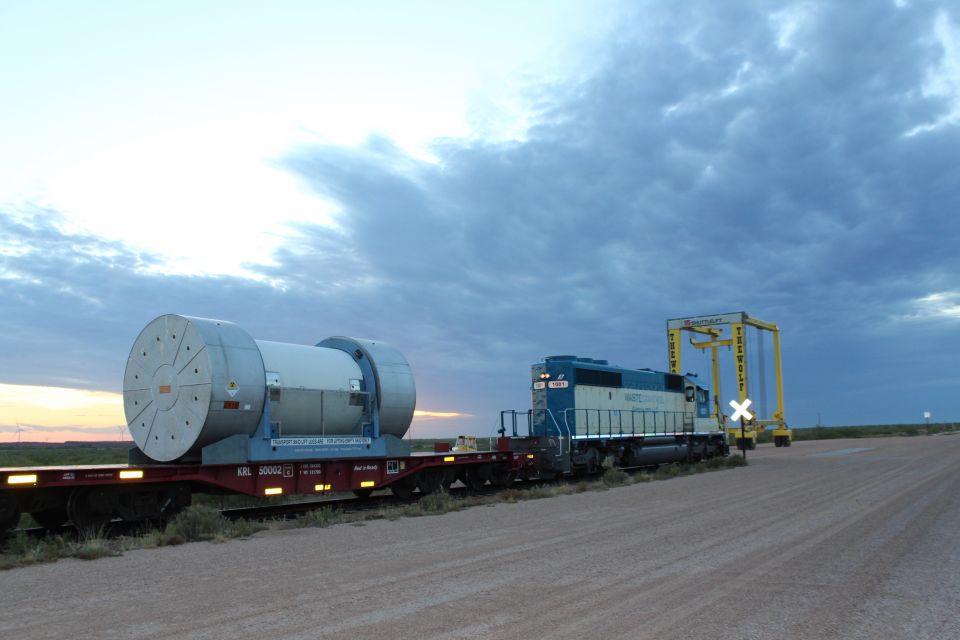
Orano Federal Services and UNC Charlotte investigate additive manufacturing for nuclear transportation cask impact limiters
Originally reported by ans.org
Orano Federal Services has partnered with the University of North Carolina at Charlotte to evaluate the feasibility of using additive manufacturing to produce impact limiters for nuclear spent fuel transportation casks. The research addresses the limitations of current manual fabrication methods, which rely on expensive balsawood, redwood, or honeycomb aluminum structures. The study investigates the ability of large-format AM systems to produce components exceeding 365 centimeters in diameter while meeting strict regulatory requirements for drop, crush, puncture, thermal, and immersion tests. The project aims to optimize internal lattice geometries to improve energy absorption performance compared to traditional legacy designs.
This collaboration targets a critical bottleneck in the nuclear supply chain as the U.S. Department of Energy prepares for the large-scale transport of commercial spent nuclear fuel over the next 10 to 15 years. Current impact limiter fabrication is labor-intensive and costly, often reaching millions of dollars per unit. By moving toward AM, Orano seeks to reduce reliance on manual assembly and expensive material sourcing. While metal AM is currently not cost-effective for full-scale production of these massive components, the study provides a technical roadmap for integrating advanced geometric patterns that could eventually replace traditional wood-based energy absorbers in high-burnup fuel transport.
This research establishes a technical baseline for applying AM to highly regulated nuclear safety components. Orano must now reconcile the geometric advantages of printed internal structures with the stringent certification requirements of the Nuclear Regulatory Commission. Buyers and stakeholders should focus on the development of qualification standards for printed metallic structures, as the transition from legacy materials to AM-enabled designs depends entirely on achieving regulatory approval for these specific safety-critical applications.
This article is an AI-assisted rewrite of the linked source report. Facts originate from the source; phrasing is AMPulse's. Use Read Original below to verify, or Report an issue if something is wrong.
Topics