Petrobras installs first DNV-qualified 3D-printed polymer handwheel on P-74 offshore platform in Latin America
Originally reported by 3D ADEPT
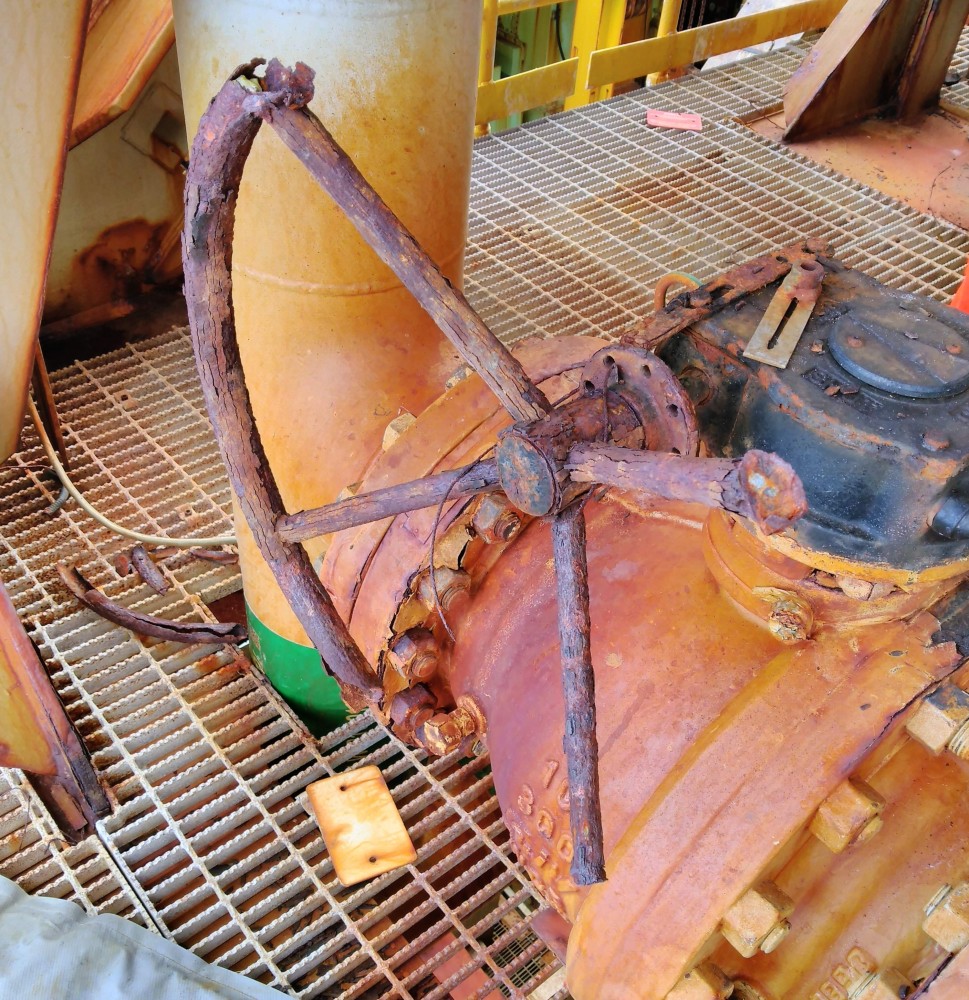
Petrobras has installed the first DNV-qualified 3D-printed polymer part in the Latin American energy market: a non-metallic handwheel on its P-74 offshore platform. The component, developed by Norway-based Korall Engineering AS and produced locally by SENAI CIMATEC using HP Multi Jet Fusion technology, replaces a carbon steel part that was highly susceptible to corrosion in harsh offshore environments. The project was orchestrated by Sparely and used Assembrix for encrypted file delivery and controlled remote production, enabling secure digital manufacturing at the point of need. Petrobras engineer Danilo Cunha confirmed the installation as a proof of concept for distributed, IP-secure additive manufacturing in an industry where supply chain complexity and maintenance costs are chronic challenges.
This deployment is a concrete signal that the energy vertical is moving beyond pilot-stage AM toward qualified, class-society-approved spare parts in mission-critical offshore environments. The use of DNV qualification - a recognized maritime and energy classification standard - means the part meets the same certification bar as conventionally manufactured components, which is the essential precondition for broader adoption in oil and gas. The project also demonstrates a distributed manufacturing model: a Norwegian design firm, a Brazilian production partner, and secure digital file transfer via Assembrix, all coordinated by Sparely. This mirrors the pattern of localized, IP-protected AM supply chains that the energy sector has long discussed but rarely executed at this certification level. The handwheel is a small, non-structural polymer part, but the qualification and installation process establishes a template that can scale to higher-criticality components.
For Petrobras and other offshore operators, the practical next step is to expand the qualified parts catalog beyond polymer handwheels to include metal components - pump impellers, valve trim, and structural brackets - using the same DNV-qualified digital workflow. The key execution risk is whether the certification process can be streamlined for a broader portfolio without requiring a full re-qualification for each new geometry. The energy industry should watch whether Petrobras publishes a qualified-parts list or opens this workflow to other suppliers, as that would signal a shift from proof-of-concept to programmatic adoption.
This article is an AI-assisted rewrite of the linked source report. Facts originate from the source; phrasing is AMPulse's. Use Read Original below to verify, or Report an issue if something is wrong.
Topics