ProjetTech Advances Silicone Additive Manufacturing to Bypass Traditional Injection Molding
Originally reported by projettech.com
ProjetTech Advances Silicone Additive Manufacturing to Bypass Traditional Injection Molding
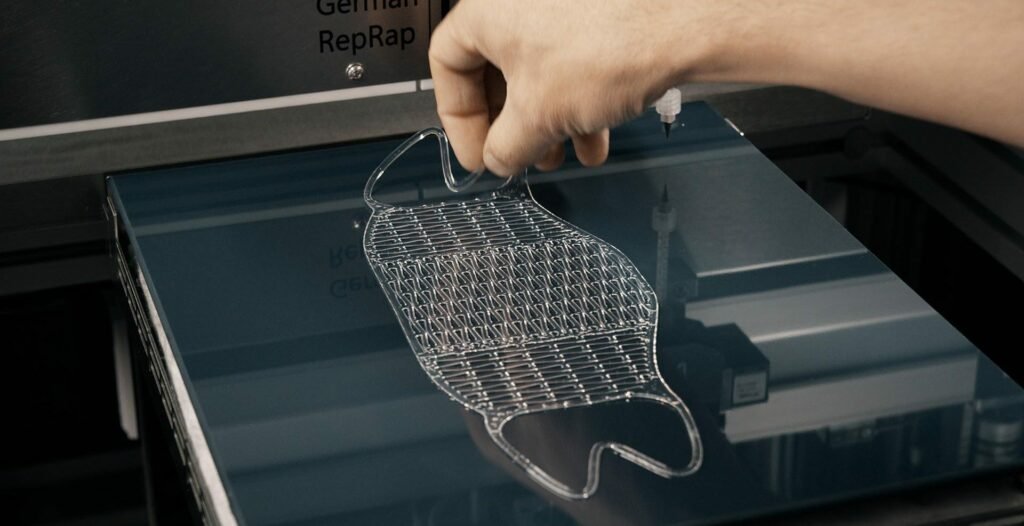
ProjetTech has launched a proprietary additive manufacturing process capable of printing true silicone parts directly from CAD files, effectively removing the requirement for expensive metal molds. The system utilizes a specialized extrusion-based deposition method to achieve high-fidelity parts with material properties identical to injection-molded liquid silicone rubber. By eliminating the need for tooling, the company reduces lead times from weeks to days for prototyping and low-volume production runs. This technology is currently being deployed at their primary facility in Europe to serve the medical device and automotive sectors.
This development addresses the persistent bottleneck in silicone manufacturing where the high cost of tooling often prohibits rapid iteration or small-batch production. While competitors like Wacker Chemie and Carbon have utilized various forms of vat polymerization or extrusion for elastomers, ProjetTech focuses on true silicone chemistry rather than silicone-like urethanes. The global silicone market remains highly dependent on traditional molding, which accounts for the vast majority of production volume. By positioning themselves as a direct-to-part manufacturer, ProjetTech targets the gap between rapid prototyping and full-scale industrial manufacturing, competing directly with traditional liquid silicone rubber injection molding service providers.
For industrial buyers, the value lies in the ability to test functional silicone components without the capital expenditure of steel tooling. ProjetTech must now demonstrate consistent material repeatability and scalability to compete with the throughput of established injection molding houses. Users should validate the mechanical performance of printed parts against specific durometer requirements to ensure parity with molded counterparts.
Topics