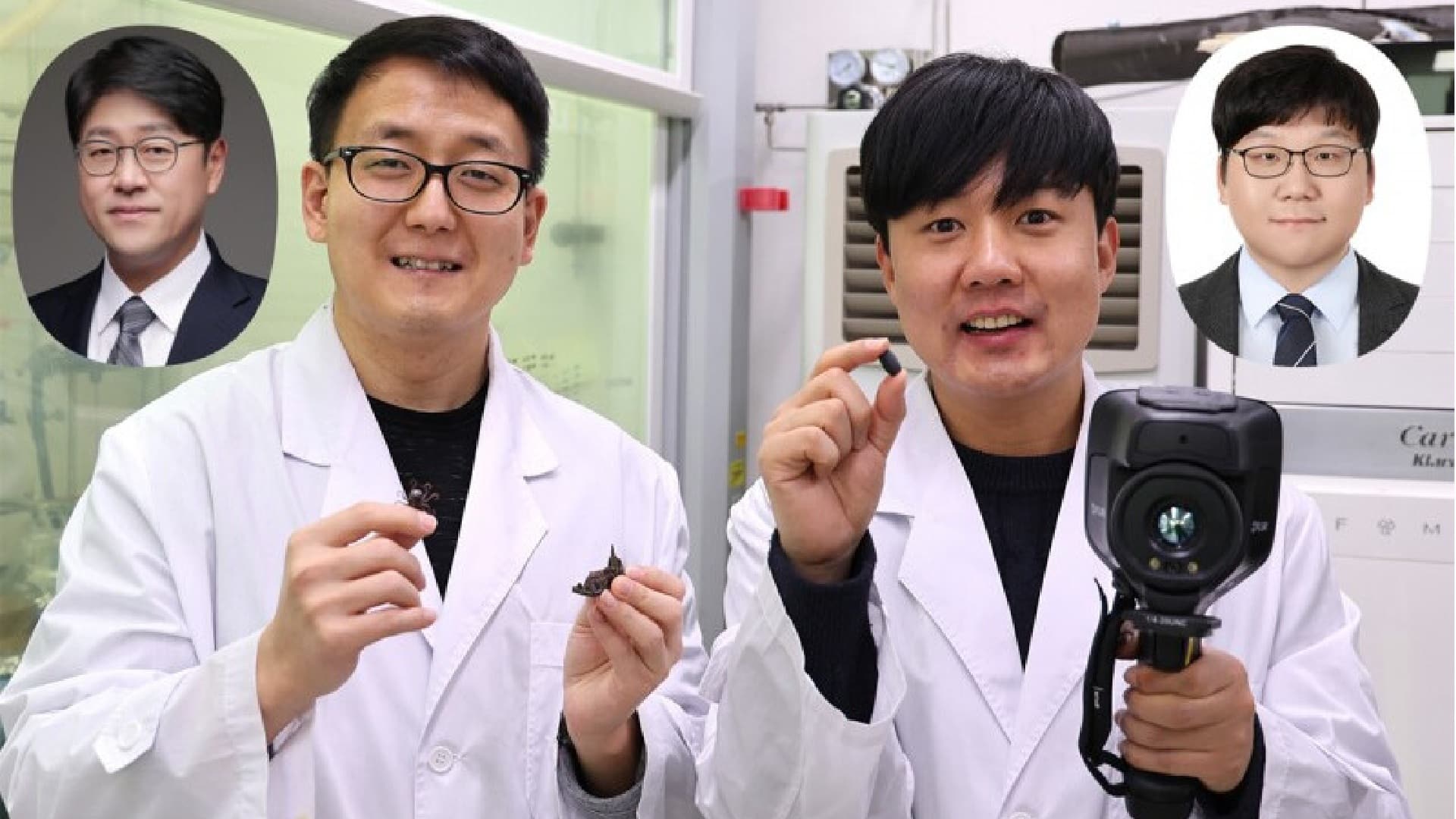
Researchers are developing soft robotic actuators by 3D printing structures using recycled industrial waste materials.
Originally reported by electronicsforu.com
Researchers are developing soft robotic actuators by 3D printing structures using recycled industrial waste materials. This process utilizes FDM/FFF technology to transform discarded polymers into functional, flexible components capable of complex movement. By integrating waste-derived feedstocks into the additive manufacturing workflow, the team aims to reduce the environmental footprint of soft robotics production while maintaining necessary material elasticity and durability. The project focuses on optimizing print parameters to ensure that recycled filaments meet the mechanical requirements for pneumatic or tendon-driven actuation.
This development addresses the growing need for sustainable material sourcing in the soft robotics sector, which traditionally relies on virgin elastomers. While the industry is currently dominated by high-cost silicone and thermoplastic polyurethane materials, the shift toward circular economy feedstocks offers a potential reduction in raw material costs for prototyping and low-load applications. The adoption of recycled waste streams in AM aligns with broader manufacturing trends to lower carbon intensity in hardware production. This approach positions the research team within the sustainable materials segment of the AM value chain, competing with established suppliers of recycled thermoplastic filaments.
For this technology to move beyond the lab, the researchers must standardize the mechanical properties of the recycled feedstocks to ensure consistent performance across print batches. Users should focus on the fatigue life and repeatability of these waste-derived parts compared to virgin materials before considering them for industrial deployment. The primary challenge remains the contamination levels in industrial waste streams which can affect the structural integrity of printed soft actuators.
This article is an AI-assisted rewrite of the linked source report. Facts originate from the source; phrasing is AMPulse's. Use Read Original below to verify, or Report an issue if something is wrong.
Topics