Unionfab slashes metal part production cycles from 30 to five days

Service
Originally reported by 3Druck
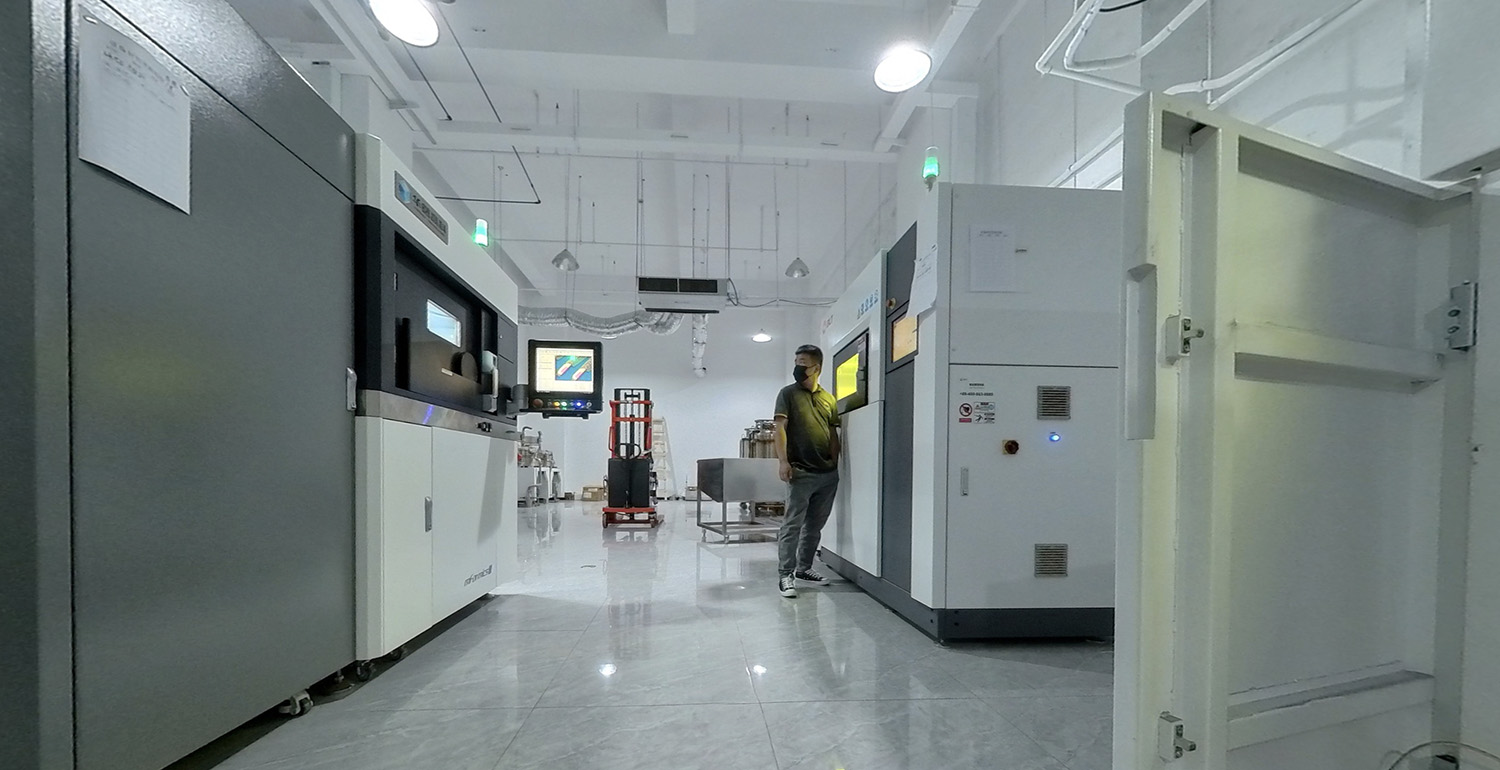
Shanghai-based digital manufacturing service provider Unionfab has reduced lead times for select small-batch metal parts from 30 days to five days, the company announced. The acceleration is enabled by a combination of multi-laser selective laser melting (SLM) systems - including four- and six-laser platforms - and proprietary AI-driven pre-compensation software. Unionfab operates over 100 industrial metal AM systems and more than 1,000 total industrial 3D printers alongside 400 CNC machines, up from roughly 800 printers a year ago. The company is leveraging the capability to expand its metal AM service offerings in the United States, Canada, and Germany.
This development fits squarely within the Chinese localization arc pattern, where a domestic entrant builds scale, integrates materials and software, and then targets Western markets with cost and speed advantages. Unionfab claims the multi-laser configuration boosts print speed by up to 40% and reduces manufacturing costs by roughly 30% compared to conventional dual-laser systems, while the AI pre-compensation allows 0.6 mm layer heights without sacrificing density or surface quality. The company processes a range of industrial-grade materials and offers a full manufacturing chain including CNC machining, injection molding, sheet metal, and investment casting. For Western buyers evaluating metal AM service partners, Unionfab’s claim of a 30-to-five-day cycle reduction represents a meaningful shift in the cost-speed calculus for small-batch production, though independent verification of the throughput and quality claims remains absent.
From a practical standpoint, Unionfab’s expansion into North America and Europe will test whether its domestic-scale advantages translate across regulatory and qualification environments. Buyers should request sample parts with dimensional and mechanical test data before committing to production runs. The company’s integration of AI pre-compensation with thick-layer printing is technically interesting but unproven at scale outside its own facility. The real test will be whether Unionfab can maintain five-day cycles consistently across a growing order book without compromising part quality or yield.
Topics