Zhongzhi Laser wins Guangzhou jewelry design award with 3D printed pieces, plans vocational school lab
Hardware
Originally reported by 深爱榜
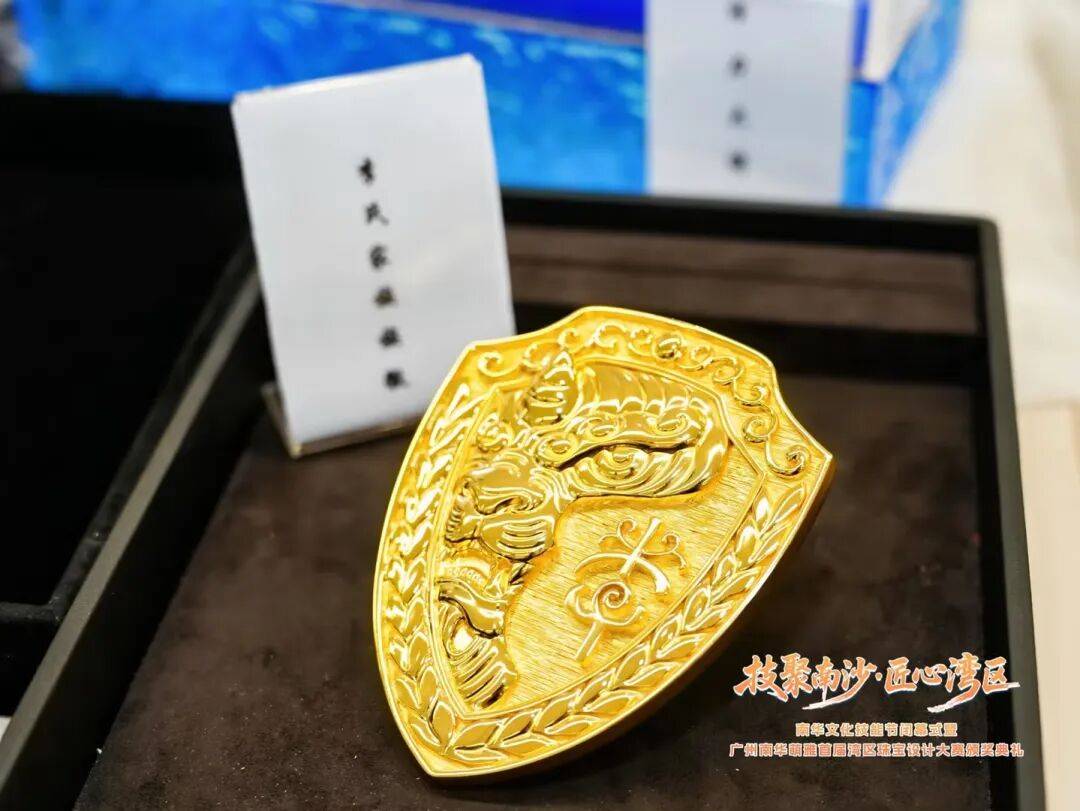
Zhongzhi Laser Technology Group (众智激光), a Shenzhen-based laser additive manufacturing company, won the Professional Group Excellence Award at the inaugural Guangzhou 'Nanhua Mengya' Greater Bay Area Jewelry Design Competition on June 18, 2026, for its 3D printed jewelry series. The company's entry, themed 'Bay Area Veins · Digital Filigree,' was produced using its self-developed GT series fine metal 3D printing system, which employs micron-level fine-spot laser sintering to directly print gold, K-gold, and silver with 0.02mm ultra-fine textures and multi-layer interlocking hollow structures. Zhongzhi Laser plans to deepen cooperation with Guangzhou Nanhua Industrial Trade Technician College and other vocational schools to build a jewelry 3D printing training lab, and will launch lightweight 3D printing customization services for small and medium jewelry merchants.
This development sits at the intersection of two underappreciated AM frontiers: the jewelry vertical and the vocational training channel. Jewelry is one of the few segments where metal AM can deliver immediate economic value through material savings (eliminating casting waste), design freedom (complex hollow structures), and shortened lead times - without the qualification burdens of aerospace or medical. Zhongzhi Laser's strategy of coupling machine sales with school lab partnerships mirrors a pattern seen in desktop polymer AM (e.g., Stratasys's education programs) but is less common in metal AM, where most vendors focus on industrial accounts. The competition win provides a credible third-party validation signal for a relatively young company (founded 2023) in a market where brand trust and craftsmanship references matter as much as technical specs.
For Zhongzhi Laser, the practical next step is converting the vocational lab partnerships into a pipeline of trained operators who can drive adoption among the region's jewelry SMEs - a distribution moat that is harder to replicate than a machine spec sheet. For the broader AM industry, this is a reminder that the most commercially viable metal AM applications are often not in aerospace or medical, but in high-value, design-driven consumer goods where the technology's strengths (complexity, material efficiency, low-volume economics) align directly with market demand. The company's ability to scale from award-winning prototypes to repeatable production service will determine whether this remains a PR win or becomes a genuine commercial beachhead.
Topics