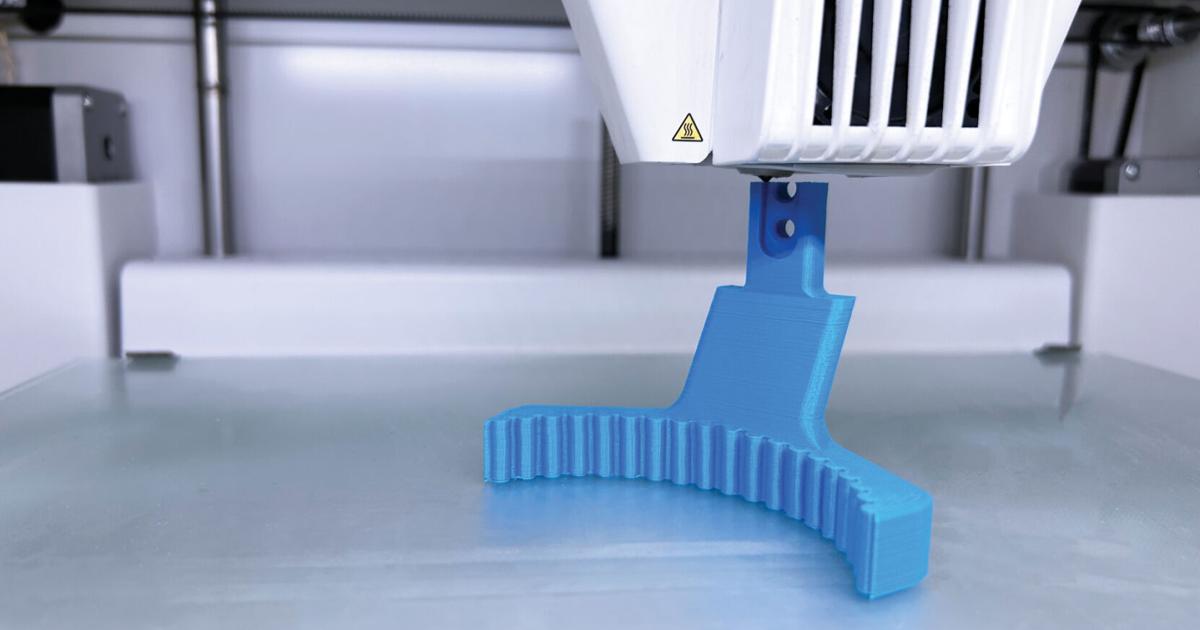
3D Systems marks the historical milestone of the invention of stereolithography, the first additive manufacturing process, which was pioneered by Chuck Hull on March 9, 1983.

Hardware
Originally reported by Advanced Manufacturing
3D Systems marks the historical milestone of the invention of stereolithography, the first additive manufacturing process, which was pioneered by Chuck Hull on March 9, 1983. This foundational technology, which utilizes photopolymerization to cure liquid resin into solid parts, established the technical framework for the modern 3D printing industry. The company, headquartered in Rock Hill, South Carolina, continues to leverage this legacy to develop industrial-grade SLA systems that serve sectors including medical, aerospace, and automotive manufacturing. The evolution from the early SLA 250 systems to current high-throughput platforms reflects the broader trajectory of the AM industry from rapid prototyping toward end-use production.
Stereolithography remains a critical pillar in the additive manufacturing landscape, competing directly with other polymer technologies such as DLP, MJF, and FDM/FFF. While early adoption was limited by material constraints and post-processing requirements, modern SLA systems now offer high-resolution capabilities and a diverse portfolio of photopolymer resins suitable for functional testing and direct manufacturing. The transition from the 1983 prototype to current industrial workflows highlights the ongoing challenge of integrating additive processes into traditional manufacturing environments. As the industry matures, the focus has shifted from the novelty of the technology to the reliability of the hardware and the consistency of material properties.
Reflecting on the 43-year history of stereolithography demonstrates that the primary hurdle for AM adoption has consistently been the integration of complex software and hardware workflows into existing factory floors. Users must prioritize the standardization of post-processing and material handling to achieve the repeatability required for industrial production. For 3D Systems, the focus remains on optimizing the balance between build speed, resolution, and material performance to maintain relevance in a competitive market.
Topics