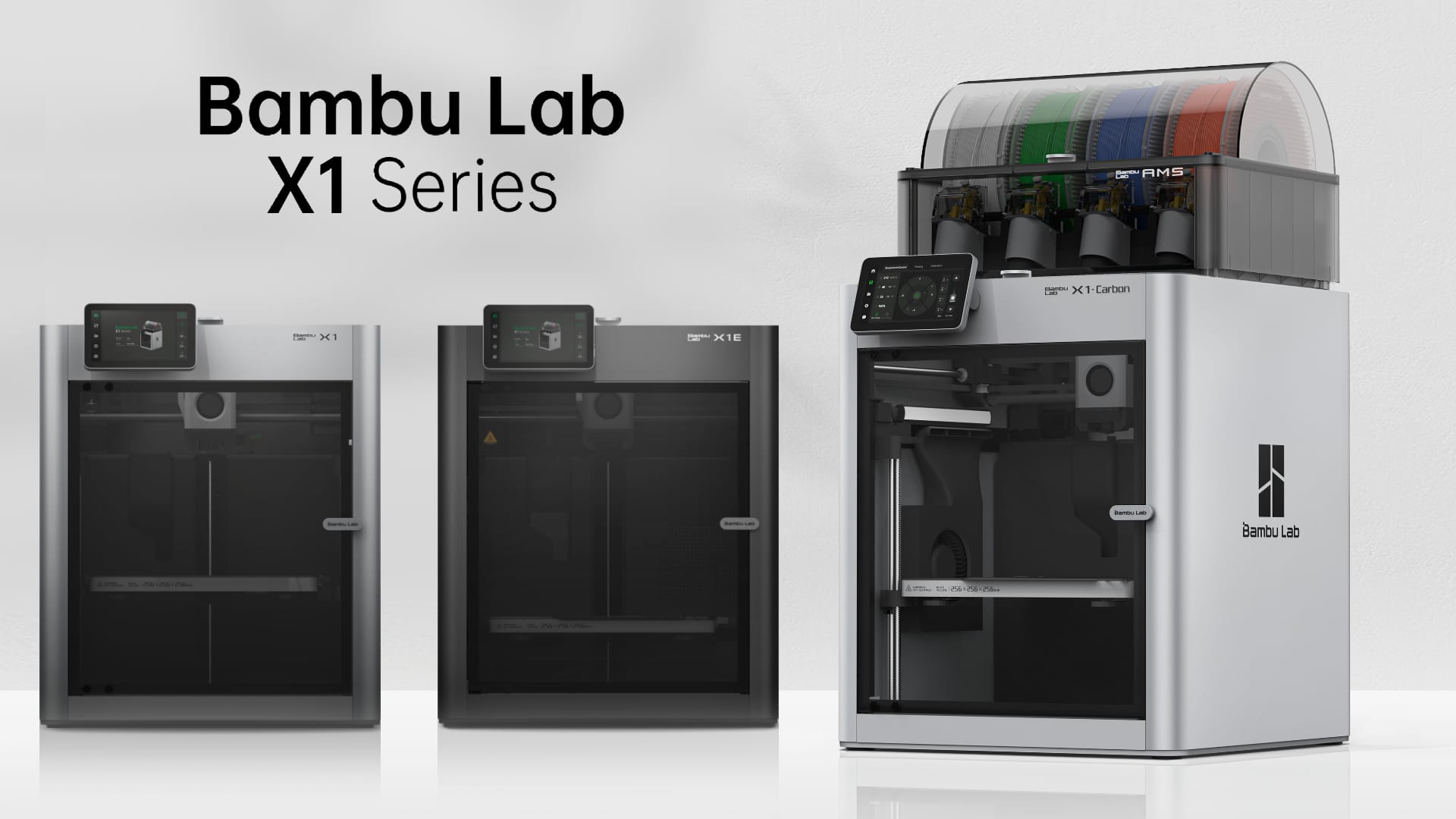
Bambu Lab has officially discontinued its X1 series of FDM 3D printers, including the X1, X1 Carbon, and X1E models, as of March 31, 2026.

Hardware
Originally reported by TechKrams
Bambu Lab has officially discontinued its X1 series of FDM 3D printers, including the X1, X1 Carbon, and X1E models, as of March 31, 2026. The company has established a formal end-of-life support roadmap, guaranteeing bug fixes and functional updates until May 31, 2027, security patches until May 31, 2029, and the availability of spare parts and technical support through March 31, 2031. This decision follows a similar phase-out strategy applied to the P1P model in February 2026, marking a deliberate transition in the company's hardware portfolio. The X1 series, which launched via a 54.97 million HKD Kickstarter campaign in 2022, served as the foundational platform for the company's rapid growth in the desktop and prosumer FDM market.
The discontinuation of the X1 series reflects a standard product lifecycle management strategy as Bambu Lab optimizes its manufacturing resources for newer hardware iterations. In the competitive landscape of desktop FDM systems, the company faces pressure from established players like Creality and Prusa Research, as well as emerging low-cost manufacturers. By streamlining its product catalog, Bambu Lab aims to reduce operational complexity and focus on its current generation of high-speed, multi-material extrusion systems. This move is consistent with the broader trend of hardware manufacturers consolidating their offerings to maintain margins and improve supply chain efficiency in the consumer and professional desktop AM segments.
For current X1 series users, the primary takeaway is the clear, multi-year support window that mitigates immediate operational risk. Owners of these machines should prioritize the procurement of critical wear components, such as hotends and extruder gears, well before the 2031 support deadline to ensure long-term machine viability. The transition confirms that Bambu Lab is prioritizing its newer product lines, and users should plan their fleet maintenance schedules accordingly based on the published end-of-support dates.
Topics