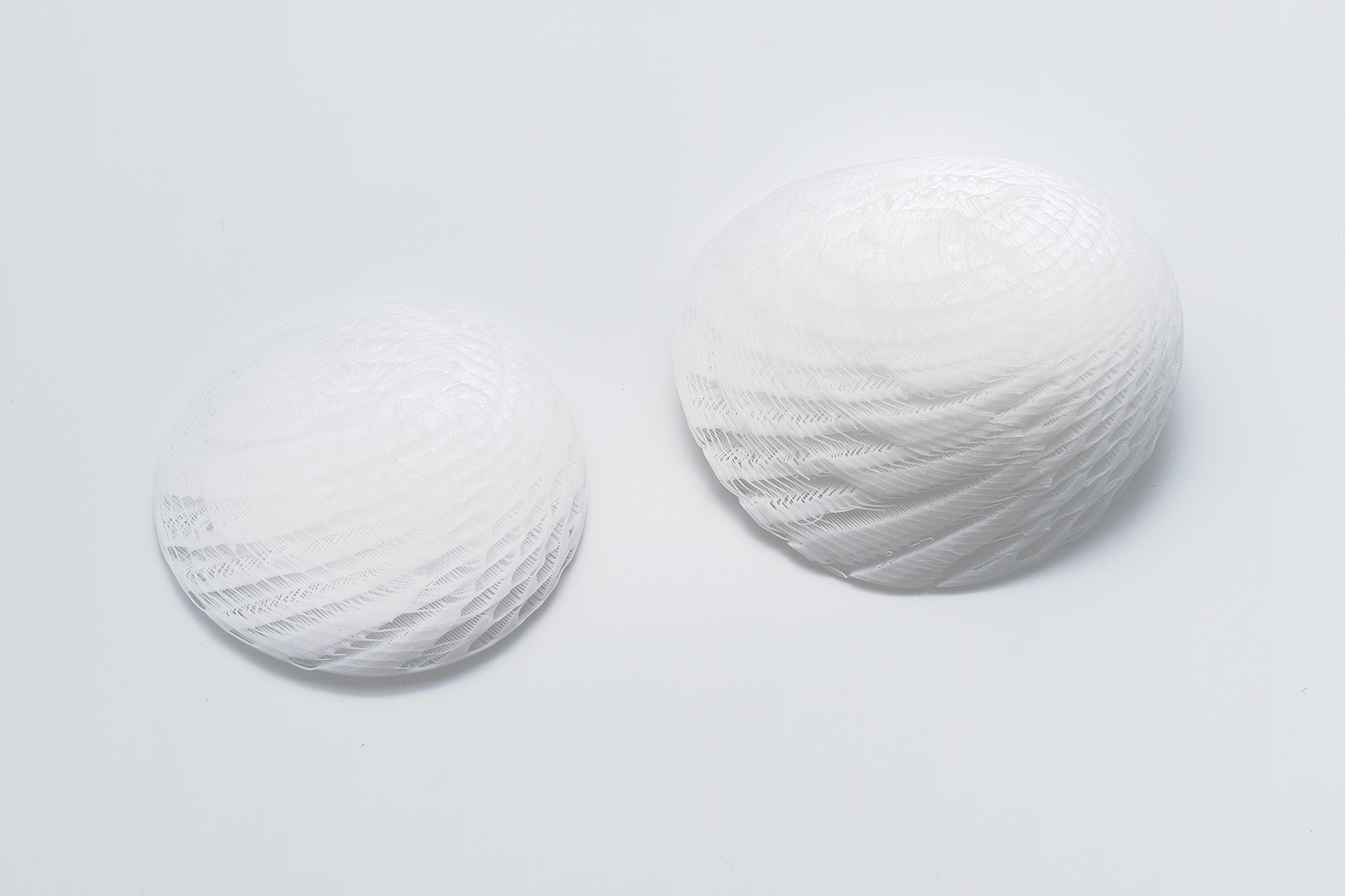
BellaSeno reports 30 women receive resorbable 3D printed breast scaffolds in clinical trials

Materials
Originally reported by 3DPrint.com
BellaSeno, an Australian-German medical device company, announced that 30 women have now received its resorbable 3D printed breast scaffolds across two clinical trials. The scaffolds are fabricated from polycaprolactone (PCL) using BellaSeno's proprietary additive manufacturing process, designed to completely resorb over one to two years as the body regenerates natural breast tissue. The first trial enrolled 19 patients, and the second ongoing trial has added 11 more. Professor Anand Deva, the lead surgeon, reported that MRI scans of patients years post-surgery show what appears to be normal breast tissue. CEO Dr. Mohit P. Chhaya stated the company is now evaluating pathways from clinical investigation toward commercialization and broader clinical access, with patient numbers expected to more than double by the end of August 2026.
This milestone places BellaSeno at the frontier of resorbable medical implants, a segment where additive manufacturing enables patient-specific lattice geometries that cannot be produced via traditional molding or machining. The company's approach directly addresses the long-standing safety concerns around permanent breast implants, including capsular contracture and implant-associated anaplastic large cell lymphoma (BIA-ALCL). BellaSeno competes with French firm Lattice Medical, which is developing a similar resorbable breast scaffold technology, but BellaSeno's 30-patient clinical dataset gives it a lead in generating the evidence base required for regulatory approvals. The addressable market is substantial: over 2.2 million breast augmentation procedures are performed globally each year, and the reconstruction segment following mastectomy represents a large, underserved need. BellaSeno's scaffolds, combined with autologous fat grafting, could shift the standard of care from permanent foreign-body implants to biologically integrated tissue regeneration.
BellaSeno's immediate execution challenge is converting clinical evidence into regulatory clearance and scalable manufacturing. The company must demonstrate consistent scaffold resorption profiles and tissue regeneration outcomes across a larger patient cohort to satisfy regulators in major markets like the US FDA and EU MDR. For the AM industry, BellaSeno represents a rare case where additive manufacturing enables a fundamentally new therapeutic category rather than simply improving an existing device geometry. If the company successfully commercializes, it will validate resorbable polymer AM for soft tissue regeneration and open the door to applications in other anatomical sites such as nasal and chest wall reconstruction.
Topics