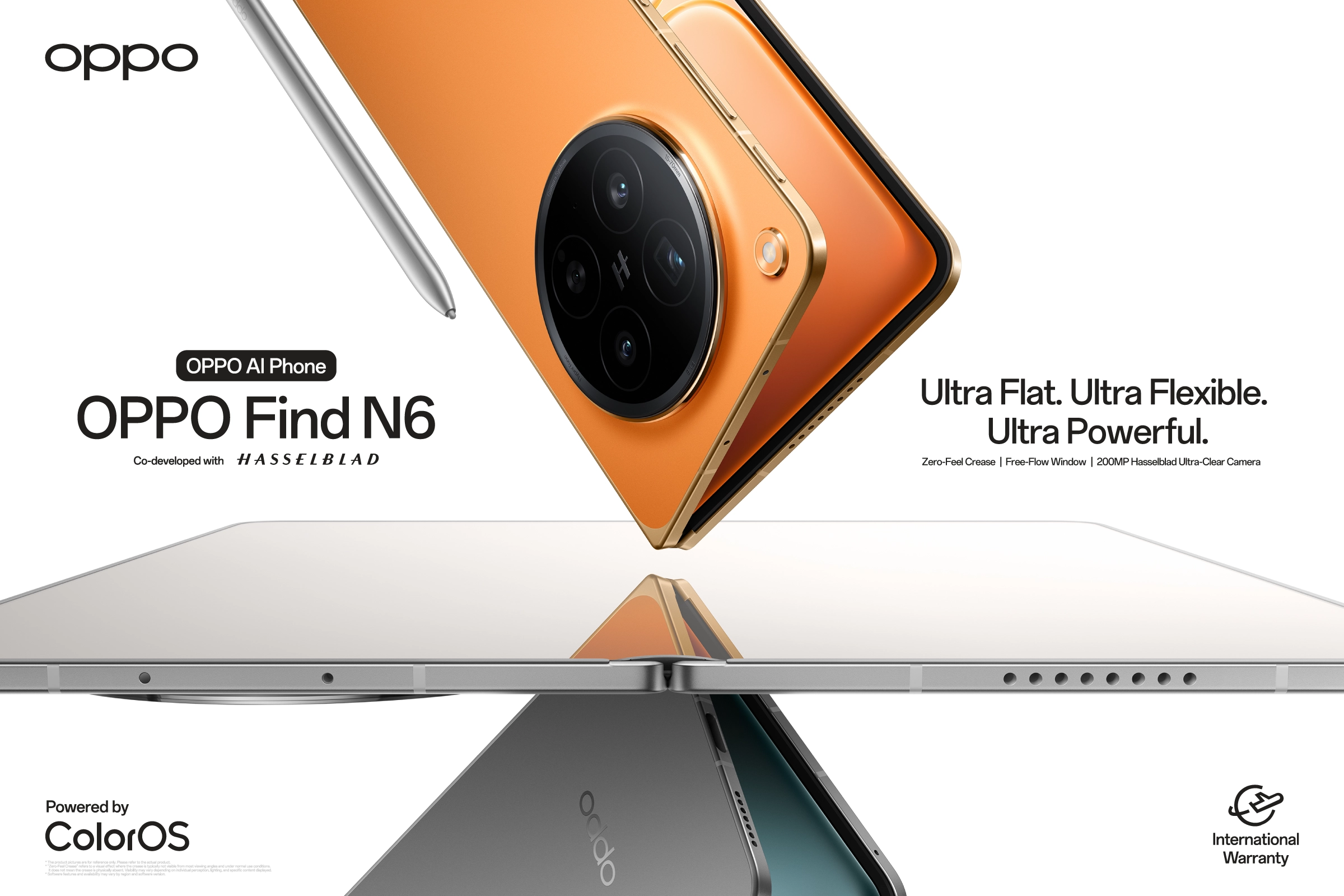
BLT and the Tianqiong Partners consortium have collaborated to supply 3D printed titanium hinges for the OPPO Find N6 smartphone.
Hardware
Originally reported by 3DPrint.com
BLT and the Tianqiong Partners consortium have collaborated to supply 3D printed titanium hinges for the OPPO Find N6 smartphone. The project utilizes a proprietary process described as 3D Liquid Printing, which involves high-resolution UV printing and 20 cycles of finishing with custom photopolymer droplets to achieve a near-zero height variance in the hinge mechanism. This manufacturing approach aims to eliminate the visible crease in foldable display technology. The consortium includes Xi'an Bright Laser Technologies, Shanghai Jiao Tong University, Samsung Display, Amphenol Phoenix, and LEAD Intelligent, covering material science, display integration, mechanical design, and automation.
This development highlights the increasing integration of metal additive manufacturing into high-volume consumer electronics, a sector traditionally dominated by subtractive methods like CNC machining and metal injection molding. By leveraging a consortium model, BLT addresses the complex multi-disciplinary requirements of foldable devices, which demand high-precision structural components that must also interface with flexible display modules. The move positions BLT as a key supplier in the competitive foldable smartphone market, where hinge reliability and aesthetic performance are primary differentiators. As foldable device adoption grows, the ability to scale complex, thin-walled titanium components through additive manufacturing provides a distinct advantage over conventional assembly techniques.
For BLT, the challenge remains maintaining consistent surface finish and dimensional accuracy at the scale required for mass-market consumer electronics. Manufacturers looking to replicate this success must prioritize the integration of automated post-processing and quality control systems within their additive workflows to meet the stringent tolerances of the mobile device industry. The transition from prototyping to high-volume production of complex hinges demonstrates that additive manufacturing is becoming a viable solution for critical structural components in consumer hardware.
This article is an AI-assisted rewrite of the linked source report. Facts originate from the source; phrasing is AMPulse's. Use Read Original below to verify, or Report an issue if something is wrong.
Topics