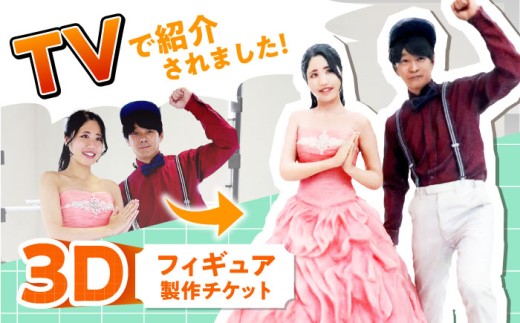
CasteM opens permanent self-service 3D-printed figure creation shop at JR Fukuyama Station commercial facility 'Sunsute Fukuyama

Originally reported by SEKAPRI
CasteM, a Hiroshima-based precision parts manufacturer with roots in lost-wax casting and metal injection molding, has opened a permanent retail shop at the Sunsute Fukuyama commercial facility adjacent to JR Fukuyama Station. The store offers a self-service 3D-printed figure creation service using a Stratasys J850 full-color 3D printer, capable of printing in up to seven colors. The service produces full-body 3D-scanned figurines at prices ranging from ¥22,000 (approximately $145) for a 10 cm model to ¥165,000 (approximately $1,090) for a 30 cm model. The shop will display and sell approximately 200 types of original goods totaling 1,500 items, alongside experiential events using full-body 3D scanning equipment.
This move represents a rare instance of a traditional precision manufacturer bridging industrial metal AM expertise with consumer-facing polymer AM retail. CasteM, which has served medical and aerospace clients through its core lost-wax and MIM processes, began developing consumer products in 2017 and already operates a Tokyo Nihonbashi store with advanced 3D scanning. The Fukuyama location extends that consumer strategy into a regional railway-adjacent commercial setting, leveraging the J850's full-color capability to differentiate from monochrome or single-material figure services. The pricing, while high for casual buyers, targets the same enthusiast and commemorative market that has sustained companies like Shapify and Doob in earlier 3D-printed figurine waves, but with the operational backing of an established industrial manufacturer rather than a startup.
For CasteM, the question is whether the per-unit economics of a J850-driven service at these price points can sustain a permanent retail footprint, or whether the shop functions primarily as a brand-building showcase for its broader precision manufacturing capabilities. The company's existing industrial customer base and Tokyo store experience provide a buffer that pure-play consumer 3D printing services have historically lacked. The real test will be repeat utilization rates and whether the railway station foot traffic converts at sufficient volume to justify the machine time and staffing costs.
This article is an AI-assisted rewrite of the linked source report. Facts originate from the source; phrasing is AMPulse's. Use Read Original below to verify, or Report an issue if something is wrong.
Topics