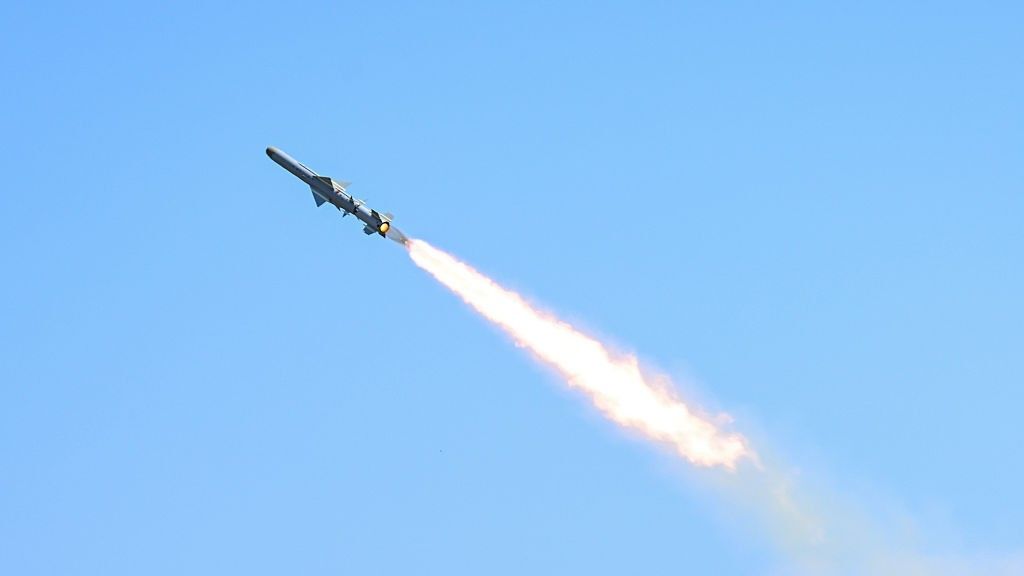
Chromatic 3D Materials static-fire tests 3D-printed rocket fuel at 1,800 PSI

Materials
Originally reported by Tom's Hardware
Chromatic 3D Materials, a Minnesota-based developer of reactive additive manufacturing materials, has successfully static-fire tested a 3D-printed solid rocket fuel grain at 1,800 PSI. The test, conducted in collaboration with an undisclosed defense partner, demonstrated that the company's proprietary thermoset polyurethane-based fuel formulation can be extruded and cured into complex grain geometries using standard material extrusion (FDM/FFF) equipment. The company reports that the printed fuel achieved consistent burn rates and structural integrity under high-pressure combustion, with no catastrophic failure or unexpected pressure spikes during the test sequence.
This development sits at the intersection of two underappreciated AM vectors: energetic materials printing and defense-driven production acceleration. The ability to print solid rocket fuel grains directly eliminates several costly, slow steps in traditional cast-cure manufacturing - mold fabrication, manual grain shaping, and lengthy cure cycles. For defense applications, where missile and rocket motor production rates are constrained by legacy tooling and supply chain bottlenecks, this could compress lead times from weeks to days. The 1,800 PSI test pressure is significant because it approaches the operating envelope of tactical missile motors, suggesting the material system is not merely a laboratory curiosity but a candidate for fieldable propulsion. Chromatic's approach also avoids the safety hazards of handling sensitive energetic powders during printing, as the fuel is extruded in a non-energetic precursor state and cured post-print.
The practical path forward requires Chromatic to move from a single successful static fire to repeatable, qualified production across multiple grain geometries and propellant formulations. The company must also demonstrate that its printed fuel meets MIL-SPEC storage stability, temperature cycling, and aging requirements - a qualification grind that typically takes 3-5 years even with accelerated testing. For defense primes and propulsion houses evaluating this technology, the immediate question is not whether printed fuel can burn, but whether it can burn predictably across thousands of units under real-world logistics constraints.
Topics