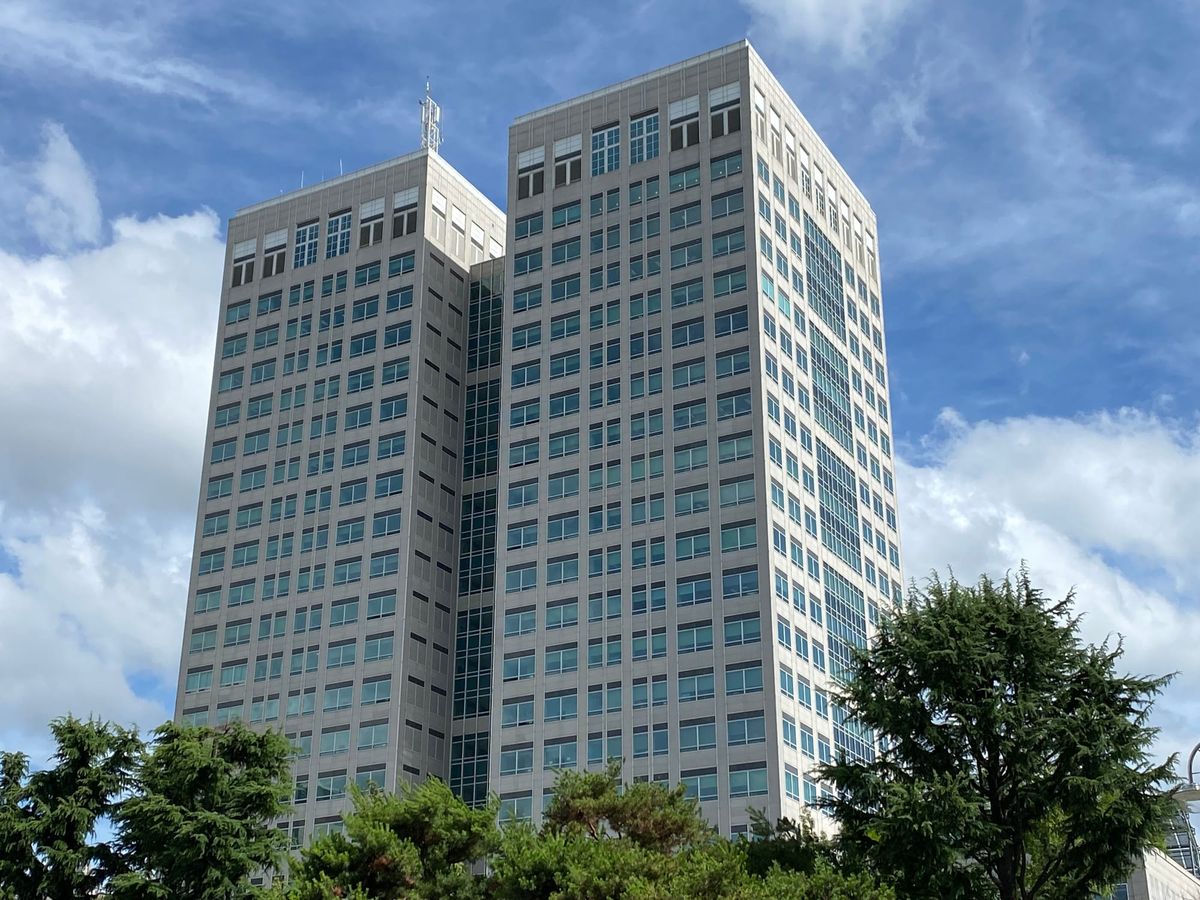
Daejeon City secures 2 billion KRW to support 20 defense and aerospace startups, including 3D printing-based firms
Originally reported by thesnstime.com
Daejeon City has been selected for South Korea's '2026 Regional Advanced Manufacturing Startup Scale-up Support Project,' securing 2 billion KRW (approximately $1.5 million USD, including 1.4 billion KRW in national funds) to support 20 local startups in the defense and aerospace sectors. The project, managed by the Daejeon Techno Park, will provide full-cycle support including product refinement, prototype and pilot production, technical guidance, testing/evaluation/certification, and investment linkage, with a specific emphasis on leveraging 3D printing technologies. Kim Woo-yeon, President of Daejeon Techno Park, stated the institution's global-level 3D printing infrastructure will be used to help startups move beyond R&D into actual production and market entry. Yoo Se-jong, head of Daejeon City's Future Strategic Industries Division, highlighted the city's concentration of defense and aerospace research institutions and the recent relocation of the Defense Acquisition Program Administration (DAPA) as strengthening the regional industrial base.
This initiative is a textbook example of the Chinese localization arc pattern (P2) applied to South Korea's defense and aerospace sectors, but with a critical twist: instead of a Western pioneer being localized by a Chinese entrant, Daejeon is using state-backed infrastructure to build a domestic supply chain from scratch. The 2 billion KRW figure is modest by global standards - roughly equivalent to a single mid-range metal LPBF system - but the strategic intent is significant. South Korea is accelerating its defense industrial base autonomy, and additive manufacturing is being positioned as a key enabler for rapid prototyping, low-volume production of critical parts, and reducing reliance on foreign suppliers. The program targets the aerospace qualification grind (P4) by subsidizing the testing, evaluation, and certification stages that typically kill early-stage hardware startups. For the broader AM industry, this represents a structured, government-orchestrated attempt to create a vertically integrated defense-AM ecosystem in a region that has historically been a fast adopter of industrial technology but a slower developer of indigenous AM production capacity.
From an expert standpoint, the practical value of this program hinges on execution details not yet disclosed: which specific AM processes (metal LPBF, polymer SLS, DED) will be prioritized, what certification pathways (MIL-SPEC, KAI standards) are being targeted, and whether the 20 selected startups include hardware manufacturers, material suppliers, or only service bureaus. The 2 billion KRW is sufficient to fund roughly 100 million KRW per startup - enough for a few prototype runs and basic certification work, but not for scaling production. The real signal here is Daejeon's intent to become South Korea's defense-AM hub, leveraging DAPA's relocation and existing research clusters. The next milestone to watch is the startup selection process and whether any of the chosen firms have existing qualification data or partnerships with primes like Korean Aerospace Industries (KAI) or Hanwha Aerospace.
This article is an AI-assisted rewrite of the linked source report. Facts originate from the source; phrasing is AMPulse's. Use Read Original below to verify, or Report an issue if something is wrong.
Topics