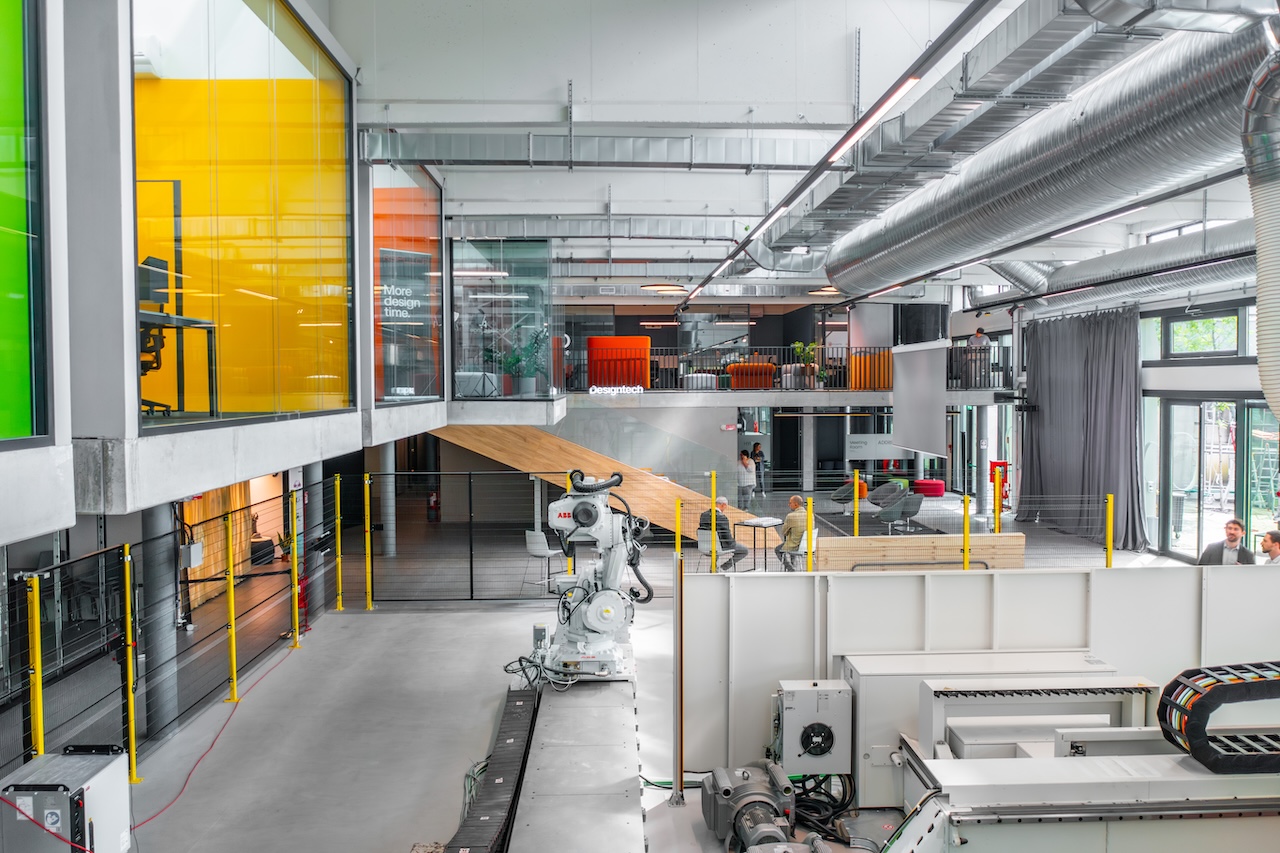
Caracol, Designtech, and Lamàquina launch large-format robotic AM hub in Milan for design sector

Hardware
Originally reported by startupbusiness.it
Caracol, the Milan-based robotic additive manufacturing specialist, has partnered with innovation platform Designtech and Spanish robotic fabrication studio Lamàquina to establish Milan's first permanent hub for large-format additive manufacturing (LFAM) focused on the design, furniture, and architecture sectors. The facility, located within Designtech's space, features Caracol's Heron AM platform - capable of producing large components from advanced thermoplastics, sustainable materials, and recycled feedstocks - alongside the company's Eidos manufacturing software and materials expertise. The hub is operational now and open to designers, studios, and brands seeking industrial-grade LFAM production capacity without owning the equipment. Paolo Cassis, COO and co-founder of Caracol, framed the initiative as an integrated "Made in Italy" approach combining design heritage with engineering depth, while Aldo Sollazzo, CEO of Lamàquina, described the goal as shaping a new market for additive manufacturing in architecture and the built environment.
This partnership addresses a persistent gap in the AM value chain: the disconnect between design creativity and production-grade large-format robotic 3D printing. While LFAM technology from vendors such as CEAD, Thermwood, and BigRep has matured, access remains concentrated in industrial manufacturing contexts rather than design studios. Caracol's Heron platform competes in the same LFAM segment as these players, but the Milan hub model - combining hardware, software, materials expertise, and design curation under one roof - represents a different go-to-market approach. Rather than selling machines directly, Caracol is positioning itself as a technology enabler within a service-led ecosystem, a pattern that mirrors the broader AM industry shift from hardware sales to production services. The design vertical is a natural entry point for LFAM because it values customization, material variety, and aesthetic freedom over the qualification-heavy demands of aerospace or automotive serial production. Milan's status as a global design capital gives this hub geographic credibility that would be harder to replicate elsewhere.
For Caracol, the practical challenge is converting design curiosity into repeat production orders. The hub model reduces the buyer's capital risk but shifts the revenue burden onto utilization rates and project throughput. Lamàquina's portfolio of completed architectural and cultural projects provides a reference base, but the Milan hub must demonstrate that LFAM can deliver consistent quality and cost predictability for design clients accustomed to traditional fabrication methods. The partnership's success will depend on whether the ecosystem generates enough volume to justify the dedicated Heron platform, or whether it remains a showcase for occasional bespoke pieces. For the design community, the hub offers a low-friction entry point to evaluate LFAM without committing to machine purchase, but the technology's material palette and surface finish must compete with established CNC routing and handcraft approaches on both aesthetic and economic terms.
Topics