Desktop Metal has launched the PureSinter Furnace, a thermal processing system engineered for high-purity debinding and sintering of metal parts produced via binder jetting, bound ...

Hardware
Originally reported by OpenPR
Desktop Metal has launched the PureSinter Furnace, a thermal processing system engineered for high-purity debinding and sintering of metal parts produced via binder jetting, bound metal deposition, and metal injection molding. The furnace features a patent-pending hot wall design that mitigates contamination buildup and operates at temperatures up to 1,420 degrees Celsius. It supports a wide range of process gases including argon, nitrogen, forming gas, and air, while utilizing an advanced cooling system that eliminates the requirement for external water cooling infrastructure. This hardware release aims to streamline post-processing workflows for complex, high-density sintered steel components.
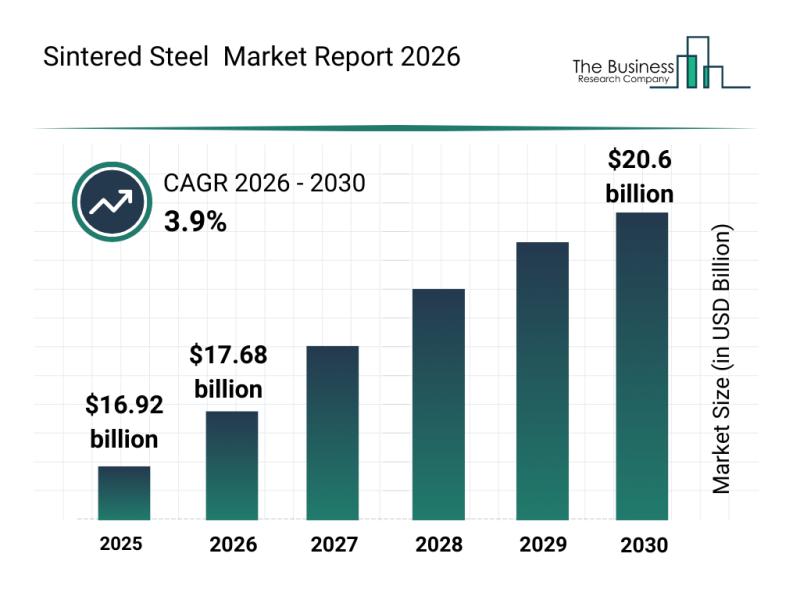
The introduction of the PureSinter Furnace addresses a critical bottleneck in the powder metallurgy value chain: the need for consistent, high-purity atmospheric control during the sintering phase. As the global sintered steel market approaches a projected $20.6 billion valuation by 2030 with a 3.9% CAGR, manufacturers are increasingly prioritizing precision and process efficiency to compete with conventional manufacturing methods. By integrating this furnace into its portfolio, Desktop Metal is positioning its hardware to support the scaling of additive manufacturing alongside traditional press and sinter operations. This move directly competes with established industrial furnace manufacturers by offering a solution specifically optimized for the unique requirements of bound metal additive manufacturing processes.
The PureSinter Furnace provides a practical solution for users struggling with atmospheric contamination and high utility costs associated with water-cooled systems. For adopters, the primary value lies in the reduction of post-processing variability and the simplification of facility requirements. Desktop Metal must now demonstrate the long-term reliability of this system across high-volume production cycles to validate its performance claims against legacy sintering equipment.
This article is an AI-assisted rewrite of the linked source report. Facts originate from the source; phrasing is AMPulse's. Use Read Original below to verify, or Report an issue if something is wrong.
Topics