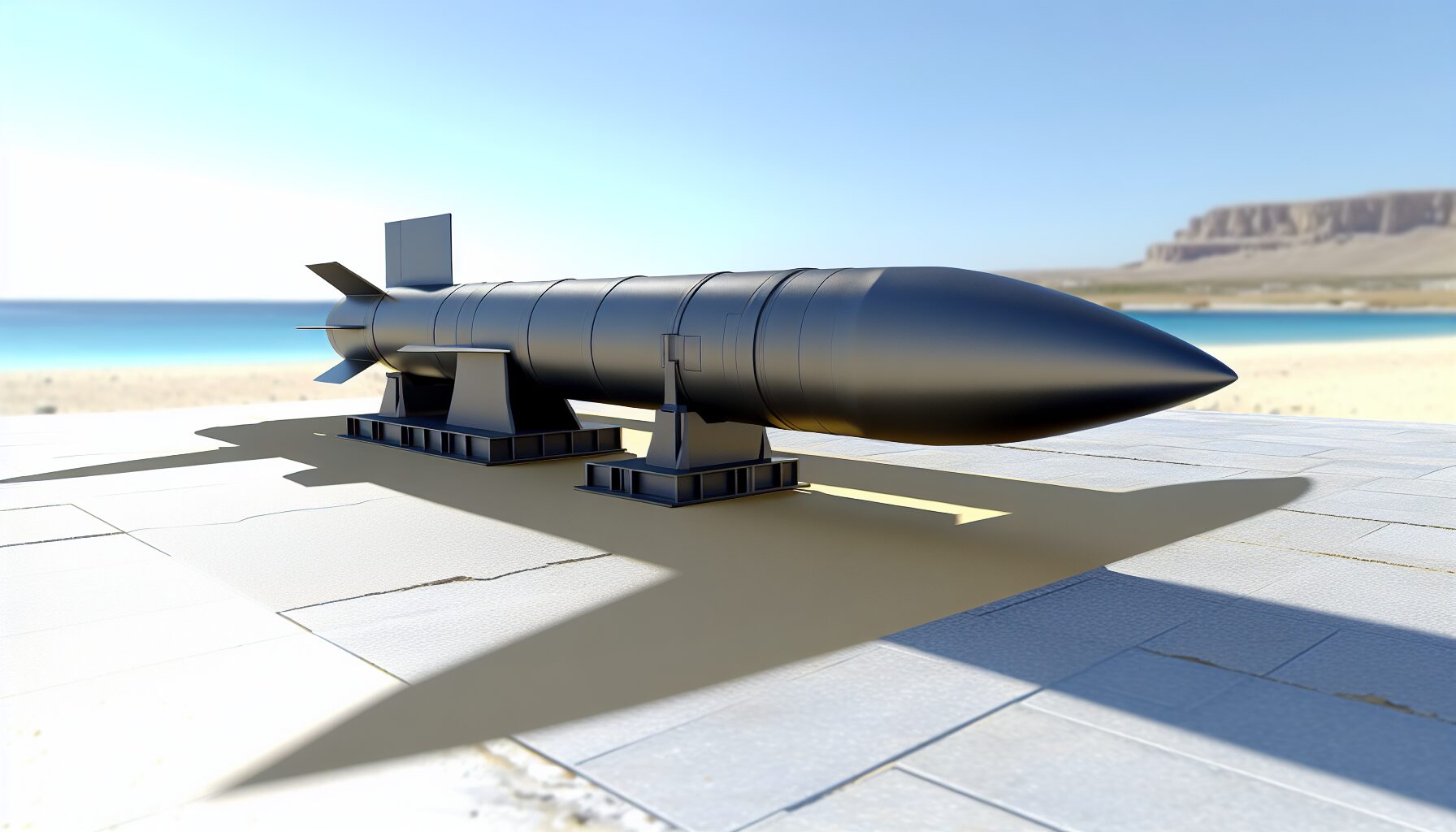
Divergent Technologies has secured a contract to manufacture cruise missile components using its proprietary Divergent Adaptive Production System (DAPS).

Platform
Originally reported by 3dprinterchat.com
Divergent Technologies has secured a contract to manufacture cruise missile components using its proprietary Divergent Adaptive Production System (DAPS). This digital manufacturing platform utilizes laser powder bed fusion (LPBF) to produce complex, lightweight metallic structures, primarily using high-strength aluminum and titanium alloys. The partnership with the US defense sector focuses on transitioning from traditional subtractive manufacturing to an automated, software-defined additive process to accelerate production timelines for critical aerospace hardware. Divergent, headquartered in Torrance, California, will leverage its integrated hardware-software stack to ensure high-precision, repeatable output for these defense applications.
This contract underscores the growing integration of industrial additive manufacturing into the US defense supply chain, specifically for high-performance aerospace components. Divergent competes with traditional aerospace manufacturers and other AM firms by offering a decentralized, software-first production model that reduces tooling costs and lead times. The shift toward on-demand, distributed manufacturing addresses the defense industry's need for rapid surge capacity and supply chain resilience. By replacing multi-part assemblies with consolidated, 3D-printed geometries, the company aims to optimize the weight-to-performance ratio of cruise missile airframes and internal structural components.
For the defense sector, the practical value of this contract lies in the validation of DAPS for high-stakes, flight-critical hardware. Divergent must now demonstrate that its automated LPBF workflows can meet stringent aerospace certification standards at scale. Buyers should focus on the company's ability to maintain material consistency across large production batches while managing the technical requirements of complex, thin-walled missile components.
This article is an AI-assisted rewrite of the linked source report. Facts originate from the source; phrasing is AMPulse's. Use Read Original below to verify, or Report an issue if something is wrong.