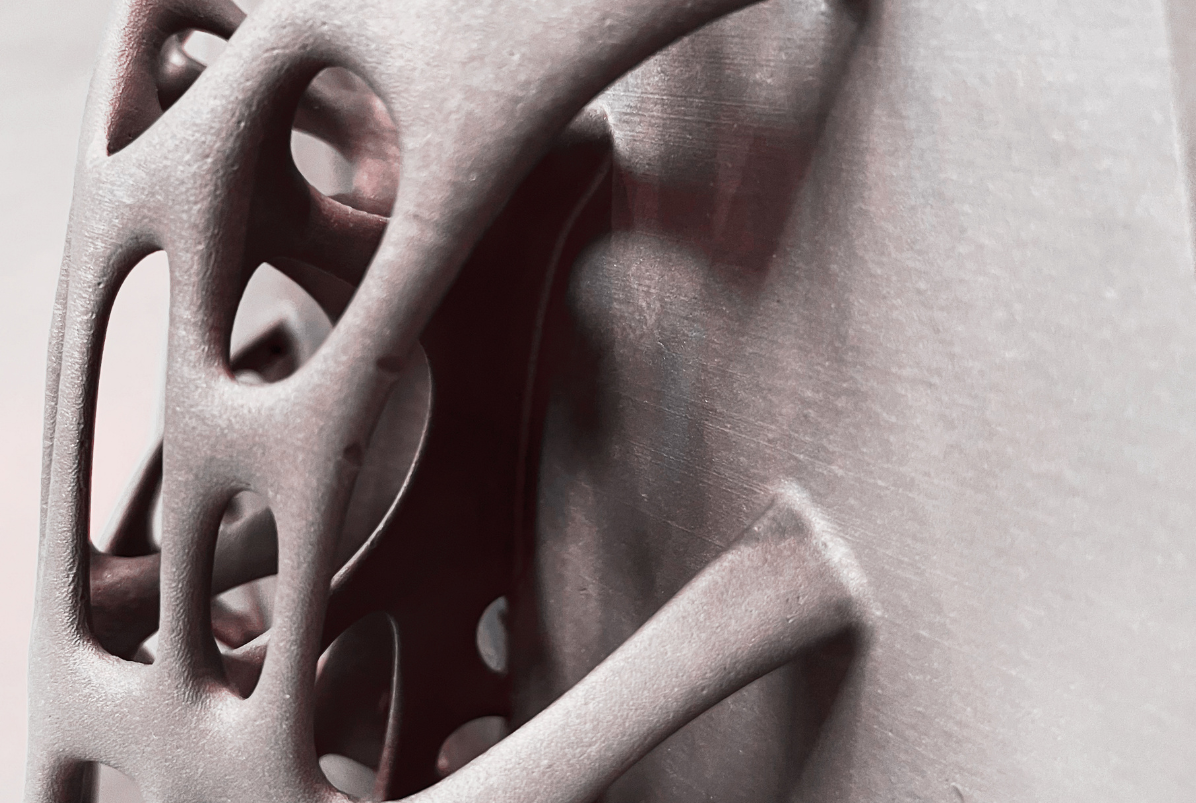
Fabri raises $13.5M to automate investment casting with AM and robotics

Service
Originally reported by tectonicdefense.com
Fabri, an MIT spinout founded in 2022, has raised a total of $13.5M in debt and equity from investors including Lavrock Ventures, Balerion Space Ventures, RTX Ventures, Lockheed Martin Ventures, Marlinspike, Tenon Ventures, and SBXi. The company closed a $5M seed led by Lavrock in December 2024 with participation from RTX, Tenon, and SBXi, with the remainder raised earlier. CEO Steven Davis told Tectonic that Fabri is already shipping cast aluminum, copper, and steel alloy parts to Lockheed Martin and RTX - both of which are investors and among the largest U.S. buyers of cast components. The company operates an R&D foundry and plans to open a second, full-production facility by 2027, targeting an annual cadence of new foundries to offset decades of declining U.S. foundry capacity.
This funding sits at the intersection of two structural trends: the chronic labor shortage in U.S. metal casting and the growing willingness of defense primes to back novel manufacturing approaches outside traditional AM. Fabri is not a pure-play AM company - it uses 3D-printed wax patterns and automated robotics to modernize investment casting, a process that predates industrial AM but still underpins 90% of metal manufactured goods, especially in aerospace and defense. By replacing manual wax pattern assembly and post-cast rework with AM and machine-learning-driven defect prediction, Fabri addresses the labor bottleneck that has caused U.S. foundry capacity to drop ~80% over five decades. This hybrid model - using AM as a production tool within a mature casting workflow - avoids the scalability and qualification hurdles that pure metal AM faces for large, complex parts like turbine blades and missile engine components. The involvement of RTX and Lockheed as both investors and customers signals that defense primes see this as a faster path to domestic supply chain resilience than waiting for metal PBF-LB or DED to fully replace casting at scale.
Practically, Fabri must now execute on its 2027 production foundry timeline while proving that its automated casting process can match or exceed the quality and throughput of traditional foundries for mission-critical defense parts. The company's reliance on AM for pattern generation is a genuine differentiator, but the real test is whether its software-driven defect reduction can consistently lower rework rates below the industry average. For buyers evaluating Fabri, the key question is not whether the technology works in an R&D setting, but whether it can sustain production-level yields across multiple alloys and part geometries. If Fabri delivers on its foundry-per-year model, it could become a meaningful bridge between legacy casting infrastructure and the next generation of digitally-driven metal manufacturing.
Topics