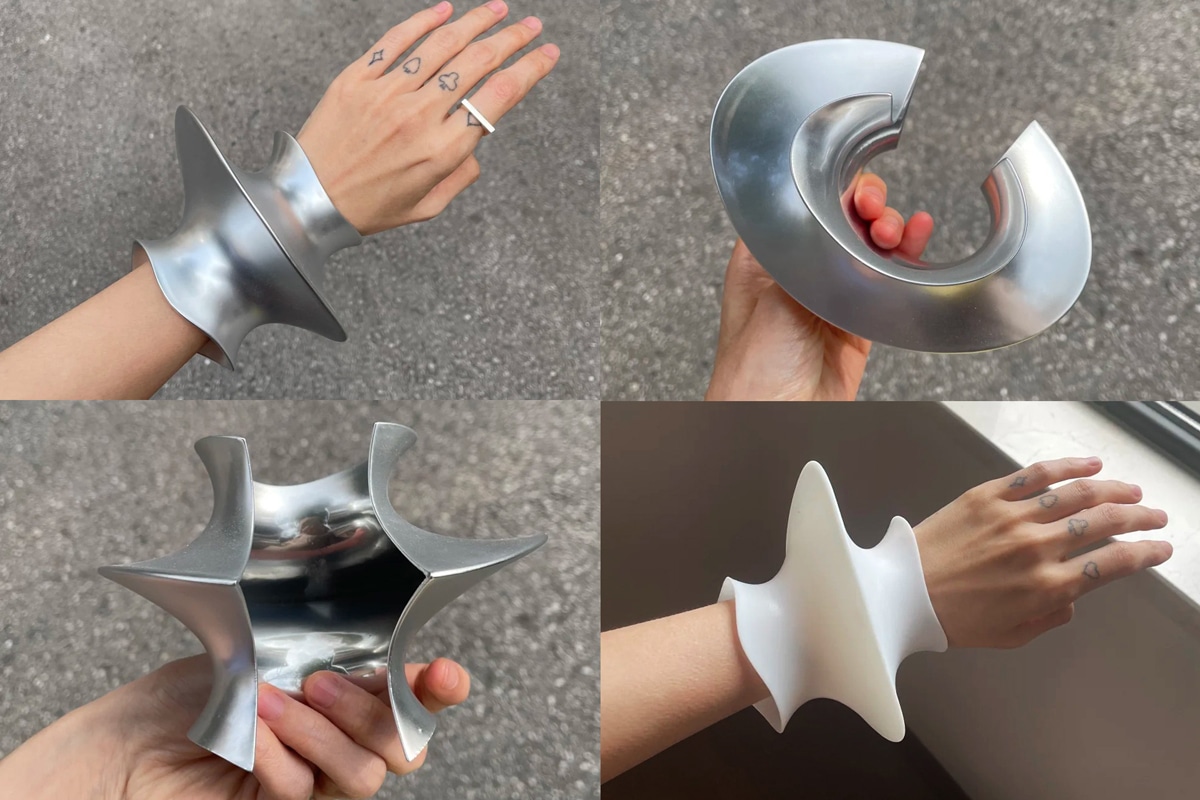
FacFox has published a curated portfolio of 17 additive manufacturing projects, highlighting the application of parametric design, multi-material assembly, and post-processing tech...

Service
Originally reported by facfox.com
FacFox has published a curated portfolio of 17 additive manufacturing projects, highlighting the application of parametric design, multi-material assembly, and post-processing techniques across consumer and artistic sectors. The showcase features specific workflows including Rhino-based parametric modeling for jewelry, electroplating for metallic surface finishes, and the integration of 3D printed resin components with traditional textile arts. These projects utilize various technologies, primarily SLA and DLP, to achieve high-resolution geometries that are difficult to replicate via traditional subtractive manufacturing methods like CNC machining.
This showcase highlights the increasing role of service bureaus in bridging the gap between digital design intent and physical production for independent creators and small-batch manufacturers. While large-scale industrial additive manufacturing focuses on high-volume production of metal or high-performance polymers, this collection underscores the growing demand for high-aesthetic, low-volume production in the consumer goods and fashion markets. FacFox, based in China, operates as a distributed manufacturing platform, competing with global service providers by leveraging a wide network of regional production facilities to offer rapid prototyping and end-use part fabrication.
For service providers, this portfolio demonstrates the necessity of offering comprehensive post-processing services, such as electroplating and manual assembly, to meet the quality standards of high-end consumer applications. Users should recognize that the value of these projects lies in the successful integration of digital design tools with specific material properties, rather than the printing process alone. Success in this segment requires a deep understanding of material limitations and the ability to manage complex supply chains for secondary finishing operations.
This article is an AI-assisted rewrite of the linked source report. Facts originate from the source; phrasing is AMPulse's. Use Read Original below to verify, or Report an issue if something is wrong.
Topics