Flashforge patent proposes geometry-aware peel speed and refill time for resin 3D printing

Hardware
Originally reported by Fabbaloo
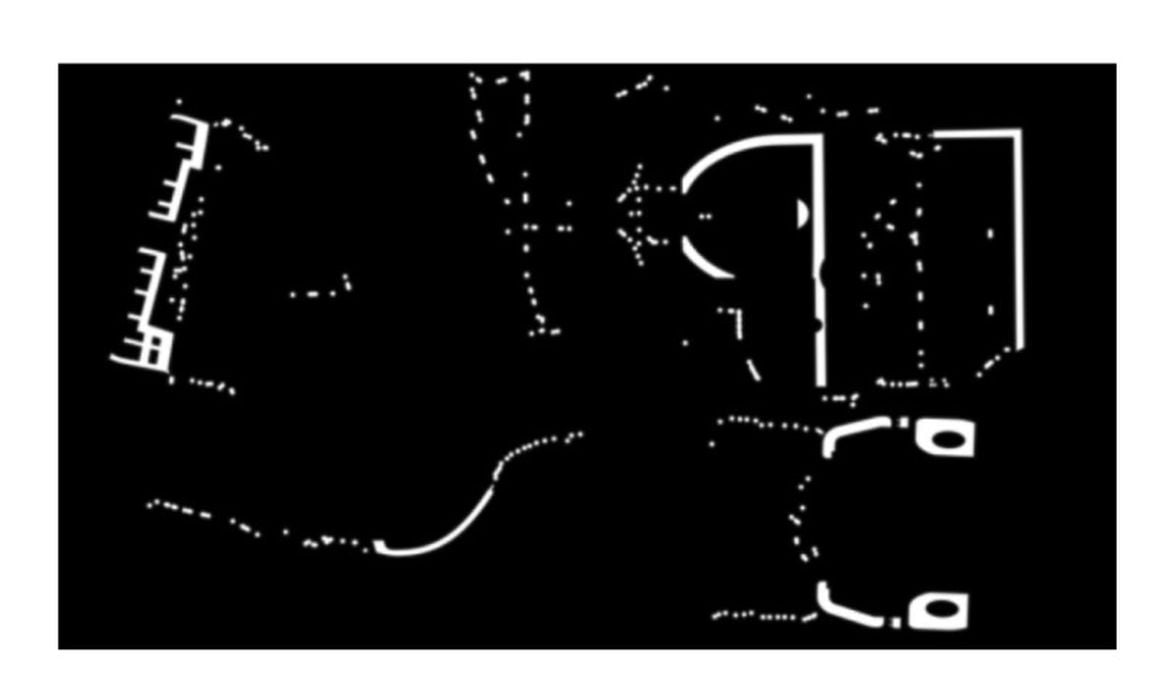
Flashforge, the Suzhou-based desktop 3D printer manufacturer, has published a Chinese patent application (CN 122125908 A) describing a light curing printing method that dynamically adjusts initial peel speed and resin refill waiting time based on the geometric features of each individual layer. The method converts a layer image into a binary grayscale map, then extracts four metrics: equivalent radius, maximum flow distance, compactness, and normalized perimeter. These values are used to calculate layer-specific peel speed and refill delay, rather than relying on fixed or area-only heuristics.
This patent addresses a persistent bottleneck in bottom-up resin printing (vat photopolymerization, or VPP): the mechanical choreography of peel and refill between exposures. Current machines and slicing profiles typically treat these steps with fixed parameters or simple area-based scaling, which fails to distinguish between a solid disk, a spidery support structure, a C-shaped channel, or a perforated part - even when their exposed areas are similar. By making the process geometry-aware, Flashforge targets a direct trade-off: faster printing on easy layers without increasing failure risk on complex ones. For users printing dental parts, miniatures, or batches of varied small objects where layer geometry changes constantly, this could meaningfully improve throughput and reliability without requiring faster light engines or higher-resolution optics.
The practical significance depends on where Flashforge implements this intelligence - slicer software, printer firmware, or a closed resin profile system. A slicer-based approach would offer transparency and user control; a locked profile approach would simplify operation but limit flexibility. Either way, the patent signals that Flashforge is investing in process control sophistication rather than just hardware specs. For the broader VPP segment, geometry-aware peel and refill is a logical next step after years of improvements in light engines, resolution, and materials. The question is whether Flashforge can translate this patent into a reliable, user-visible feature that actually reduces print times and failure rates in production use, or whether it remains a theoretical improvement that never ships in a meaningful way.
This article is an AI-assisted rewrite of the linked source report. Facts originate from the source; phrasing is AMPulse's. Use Read Original below to verify, or Report an issue if something is wrong.