Rolls-Royce Opens AM Development Cell in Bristol for Defense Aircraft Engine Components
Originally reported by manufacturingdigital.com
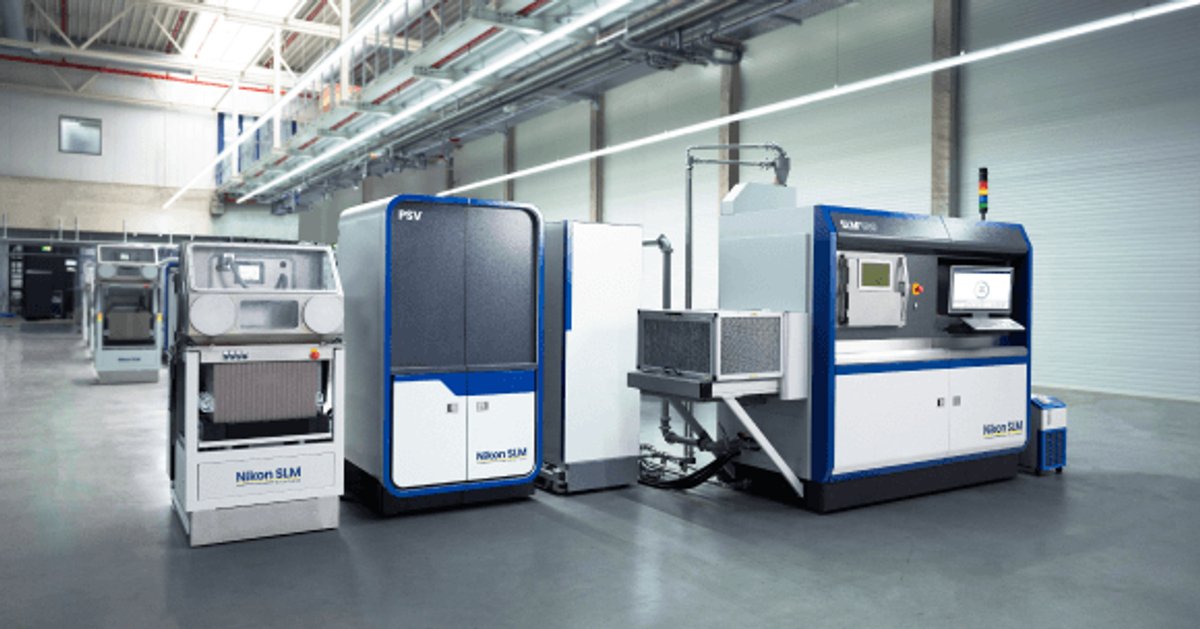
Rolls-Royce has opened a new Additive Manufacturing (AM) Development Cell at its Defence Assembly and Operations facility in Bristol, UK, with funding from the UK Ministry of Defence. The 350 m² controlled-environment cell uses metal laser powder bed fusion (LPBF) technology, deploying Nikon SLM500 machines to manufacture critical components from metal super-alloy powders for next-generation aircraft engines. The cell will support the Global Combat Air Programme (GCAP) and future combat power and propulsion programs, with engineers being specially trained to operate the equipment. Sam O'Leary, CEO of Nikon SLM Solutions, confirmed the partnership in a public statement, noting the deployment of his company's technology at the Rolls-Royce hub.
This development is a textbook example of the aerospace qualification grind pattern, where AM moves from R&D curiosity to embedded production infrastructure within a defense program context. The cell is not a speculative pilot; it is a funded, purpose-built facility tied to specific sovereign capability programs (GCAP) and backed by UK defense spending that is projected to reach £73.5 billion by 2028/29. Rolls-Royce is following the GE LEAP fuel nozzle playbook - embedding AM so deeply into program-specific qualification workflows that the technology becomes invisible infrastructure rather than a marketing headline. The choice of Nikon SLM Solutions as the equipment partner signals a preference for established, qualified LPBF platforms over newer entrants, reinforcing the high barriers to entry in aerospace AM supply chains.
For Rolls-Royce, the practical challenge is now execution: scaling from a development cell to production-rate manufacturing while maintaining the qualification pedigree that defense programs demand. The cell's controlled environment and specialized training pipeline suggest the company understands that repeatability, not speed, is the binding constraint in this vertical. For the broader AM industry, this is a reminder that aerospace adoption remains program-driven and capital-intensive - no shortcuts, just patient infrastructure build-out.
This article is an AI-assisted rewrite of the linked source report. Facts originate from the source; phrasing is AMPulse's. Use Read Original below to verify, or Report an issue if something is wrong.
Topics