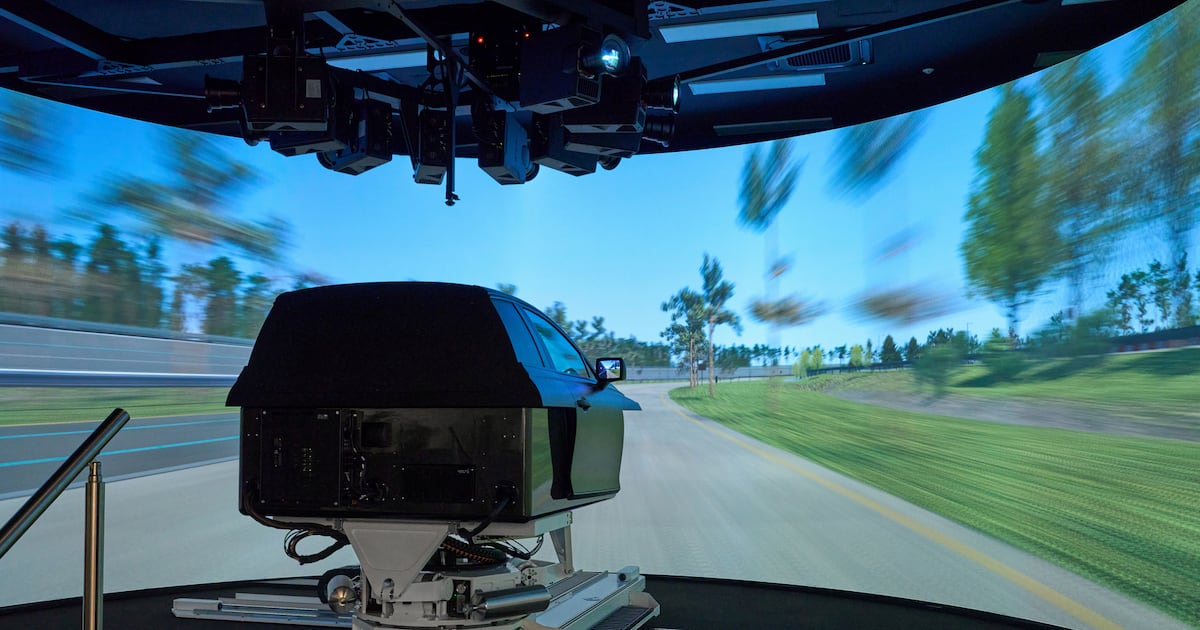
Hyundai Motor and Kia integrate 3D printing and digital twins at Namyang R&D Center for vehicle development
Originally reported by chosun.com
Hyundai Motor Company and Kia have operationalized a combined 3D printing and digital twin workflow at their Namyang R&D Center in Hwaseong, South Korea, enabling functional vehicle validation without physical prototypes. The system uses metal LPBF and polymer SLS printers to produce functional test parts - including brackets, housings, and fluid-system components - directly from digital twin models, cutting prototype lead times from weeks to days. The initiative is part of Hyundai’s broader SDV (Software-Defined Vehicle) push, where physical and virtual validation loops run in parallel rather than sequentially.
This deployment places Hyundai among a small group of automotive OEMs that have moved AM beyond tooling and into core R&D validation. Most automotive AM use remains concentrated in jigs, fixtures, and low-volume tooling - Hyundai’s integration of AM with digital twins for functional testing is a step toward the kind of closed-loop development that aerospace primes like GE Aviation have spent years qualifying. The key difference: automotive qualification cycles are shorter and less regulated, which could allow Hyundai to compress learning faster than aerospace did. The Namyang center’s ability to print in Ti-6Al-4V and 316L stainless steel via LPBF, alongside PA12 and glass-filled nylon via SLS, gives it a broad materials palette for structural and thermal validation parts.
For Hyundai, the practical challenge is scaling this from a center-of-excellence model to a repeatable process across multiple vehicle programs. The digital twin integration is promising, but the value depends on whether the printed parts can reliably match simulation-predicted performance without iterative rework. If Hyundai can close that loop, it will have built one of the more credible automotive AM validation pipelines outside of motorsport and luxury low-volume production.
Topics