Lockheed Martin advances LPBF additive manufacturing for next-gen aircraft thermal management

Application
Originally reported by lockheedmartin.com
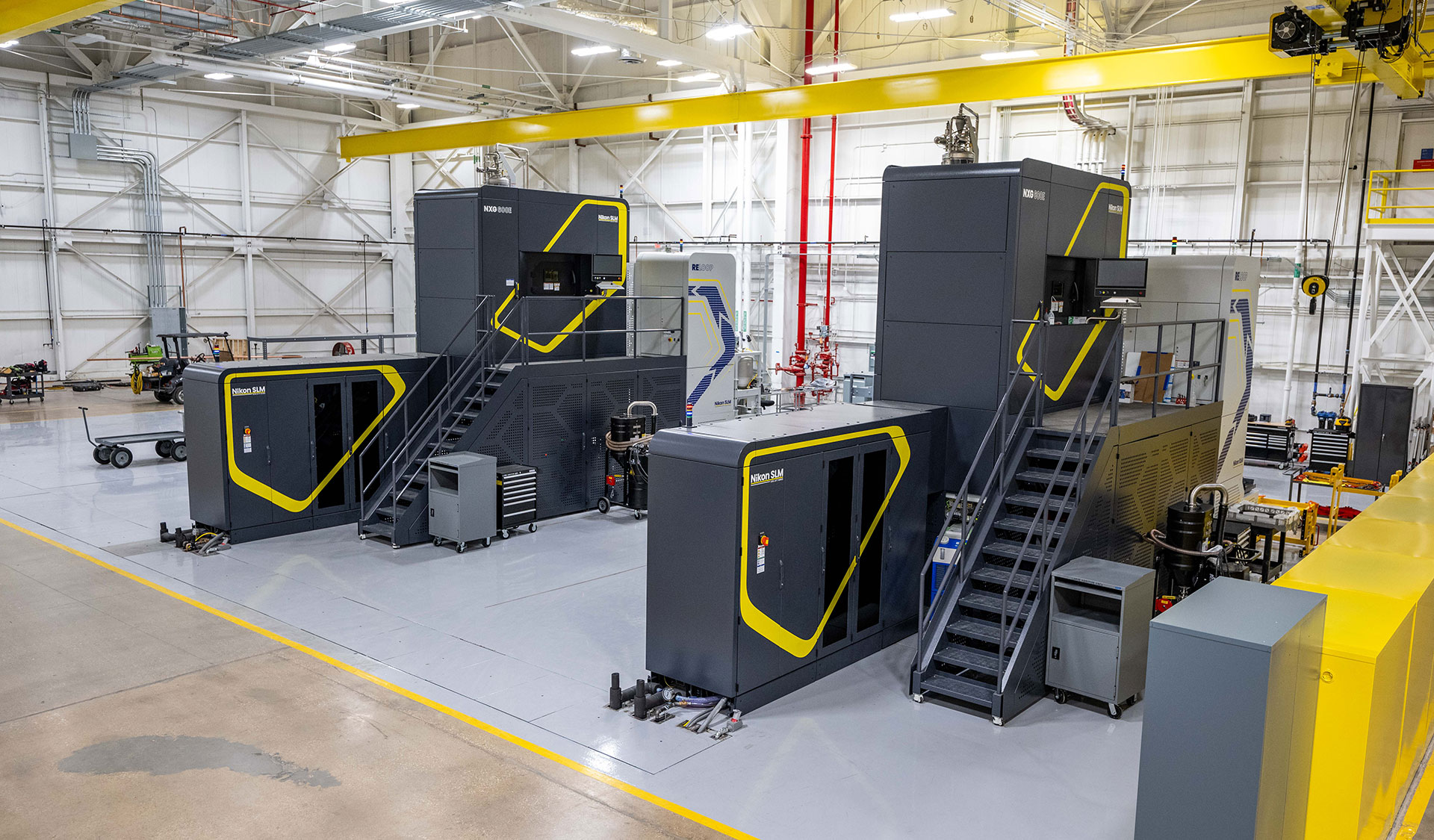
Lockheed Martin announced on April 30, 2026, that it has advanced laser powder-bed fusion (LPBF) additive manufacturing to accelerate operational readiness for next-generation aircraft, hypersonic systems, and electric propulsion platforms. The company is targeting thermal management system components-traditionally produced via casting, forging, and brazing-which create supply chain bottlenecks due to long raw-material lead times, alloy shortages, and geopolitical disruptions. Lockheed Martin states that LPBF enables design-driven digital processes, building parts layer-by-layer from metal powder without expensive tooling, driving shorter development cycles and smaller-quantity production with aerospace-grade precision.
This move directly addresses the aerospace qualification grind pattern, where AM success is measured not by flashy announcements but by embedding into certified production workflows. Lockheed Martin is leveraging LPBF to bypass traditional supply chain choke points for thermal management components-a high-value, high-heat application area where brazed assemblies have long been the standard. The announcement signals that a prime contractor is moving beyond prototyping into production intent for mission-critical subsystems, a step that typically requires years of qualification work. This aligns with the broader defense vertical acceleration seen in 2025-2026, where NDAA §849 and political pressure are pushing primes to de-risk supply chains through AM adoption.
From an industry perspective, the practical significance lies in Lockheed Martin's ability to execute qualification at scale for thermal management parts-a domain where reliability requirements are extreme and failure is not an option. The company must now demonstrate that LPBF-produced components can match or exceed the fatigue life and thermal performance of forged and brazed equivalents across program-specific certification regimes. For buyers and suppliers, this signals that LPBF is no longer a niche tool for brackets and housings but is being evaluated for thermal-critical subsystems in next-generation platforms. The real test will be whether Lockheed Martin can transition from internal capability to supplier-agnostic qualification standards that allow broader ecosystem participation.
Topics