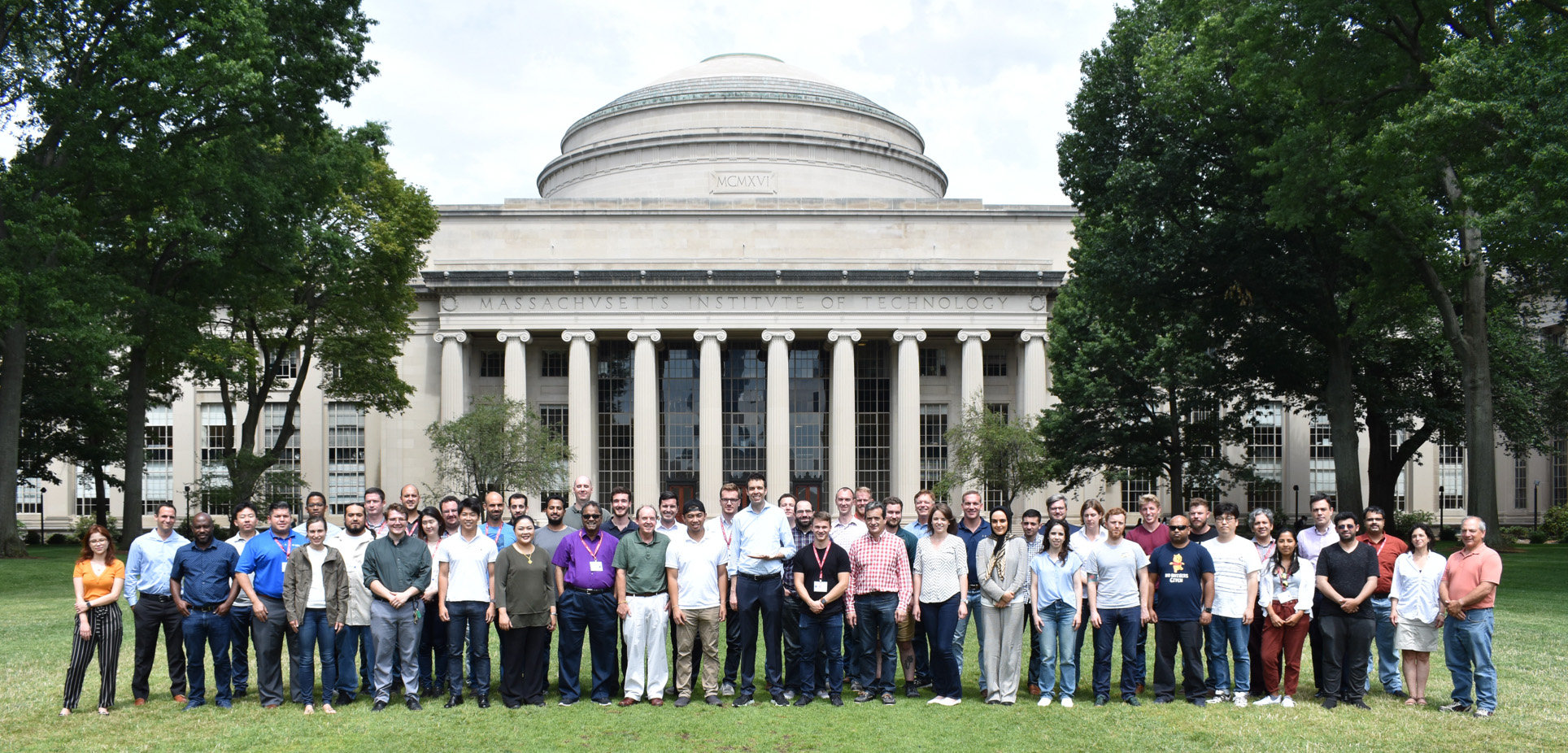
MIT is merging its Enterprise Additive Manufacturing program with RAPID + TCT 2026 to bridge the gap between academic theory and industrial scaling.
Partnership
1 min read

MIT is merging its Enterprise Additive Manufacturing program with RAPID + TCT 2026 to bridge the gap between academic theory and industrial scaling.

Originally reported by 3DPrint.com

MIT is merging its Enterprise Additive Manufacturing program with RAPID + TCT 2026 to bridge the gap between academic theory and industrial scaling. With 10,000+ students trained, the course focuses on AI-driven design and economic modeling to move beyond prototyping. This shift marks a systemic maturation, prioritizing total cost of ownership and post-processing for end-use production. By connecting leaders with 400+ suppliers, MIT is accelerating the move to a digital manufacturing future. ⚙️ #AdditiveManufacturing #MIT #SupplyChain

How This Connects

6 related events
  1. Same pattern

    Daejeon City secures 2 billion KRW to support 20 defense and aerospace startups, including 3D printing-based firms

  2. Same pattern

    AUKUS identifies additive manufacturing as a strategic industrial priority for submarine production at UDT 2026.

  3. This article

    MIT is merging its Enterprise Additive Manufacturing program with RAPID + TCT 2026 to bridge the gap between academic theory and industrial scaling.

  4. Same pattern

    The U.S. Navy awarded Castelion a $50 million contract to advance the Blackbeard hypersonic system toward operational status by late 2027.

  5. Same pattern

    PRINT&GO is scaling its 3D GUN'T module across 420,000 users to automatically block 3D-printed firearm components.

  6. Same pattern

    India has extended its deep tech startup status to 20 years and raised the revenue cap to 3 billion rupees to support long-horizon growth.

  7. Same pattern

    Adafruit recently showcased its NeoPixel Light Slate while highlighting the systemic threat of Washington bill HB 2321.