ORNL and Cadens develop 3D-printed micro-hydro system to tap 29GW of untapped US dam energy

Application
Originally reported by Fabbaloo
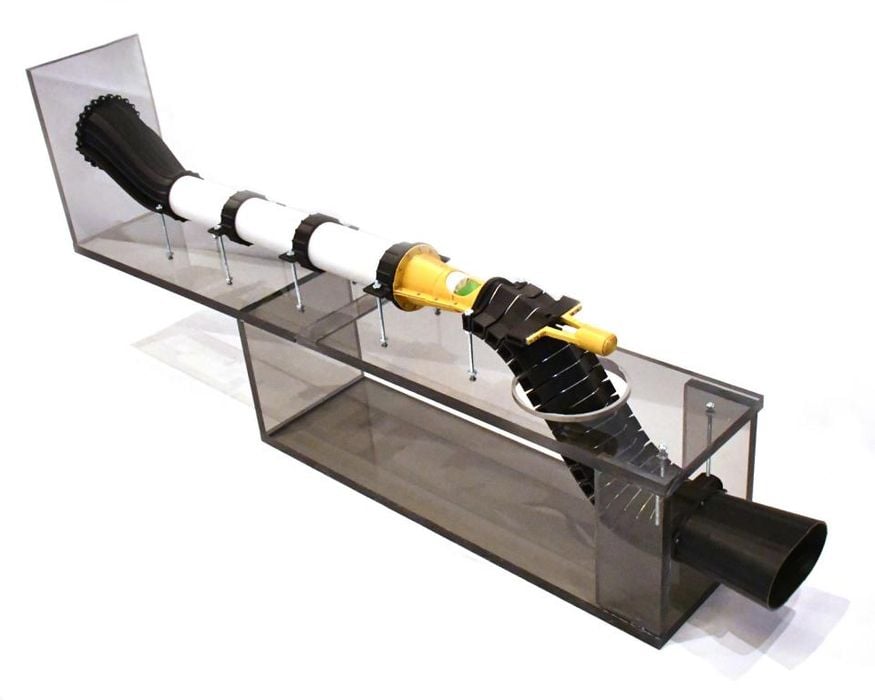
Oak Ridge National Laboratory (ORNL) has partnered with Cadens, a Wisconsin-based startup, to develop a standardized micro-hydroelectric system that leverages additive manufacturing to dramatically reduce installation costs. The collaboration targets the more than 50,000 US dams currently capable of generating electricity but left undeveloped due to the high cost of custom-built hydro installations, which ORNL estimates could unlock 29GW of untapped capacity. Cadens contributed the software for rapid design configuration, while ORNL developed the manufacturing approach, which relies heavily on 3D-printed polymer components and a 3D-printed mold for a fiberglass-cast runner housing - the critical turbine enclosure that must withstand continuous 24/7 operation.
This project is a textbook example of how additive manufacturing can unlock a long-dormant market by shifting the cost structure from custom engineering to standardized, digitally manufactured components. The micro-hydro segment has been economically inaccessible because each installation required bespoke design and fabrication, a pattern familiar from early aerospace and medical AM adoption. By using 3D printing for the polymer parts and printed molds for the high-stress fiberglass housing, ORNL and Cadens effectively decouple part complexity from unit cost, making small-scale deployments viable. The approach fits squarely within the broader trend of AM enabling distributed energy infrastructure, where the value lies not in the machine itself but in the ability to produce localized, fit-for-purpose hardware without tooling overhead.
For Cadens, this partnership provides a critical validation pathway: coupling their design software with a national lab’s manufacturing expertise gives them a referenceable case study that no startup could generate alone. The practical next step is moving from prototype to field deployment at a handful of dam sites, which will test the system’s durability and the economics of scaling production. For the AM industry, this is a reminder that the most impactful applications often emerge not from pushing machine specs, but from rethinking the manufacturing logic of an entire legacy sector.
This article is an AI-assisted rewrite of the linked source report. Facts originate from the source; phrasing is AMPulse's. Use Read Original below to verify, or Report an issue if something is wrong.