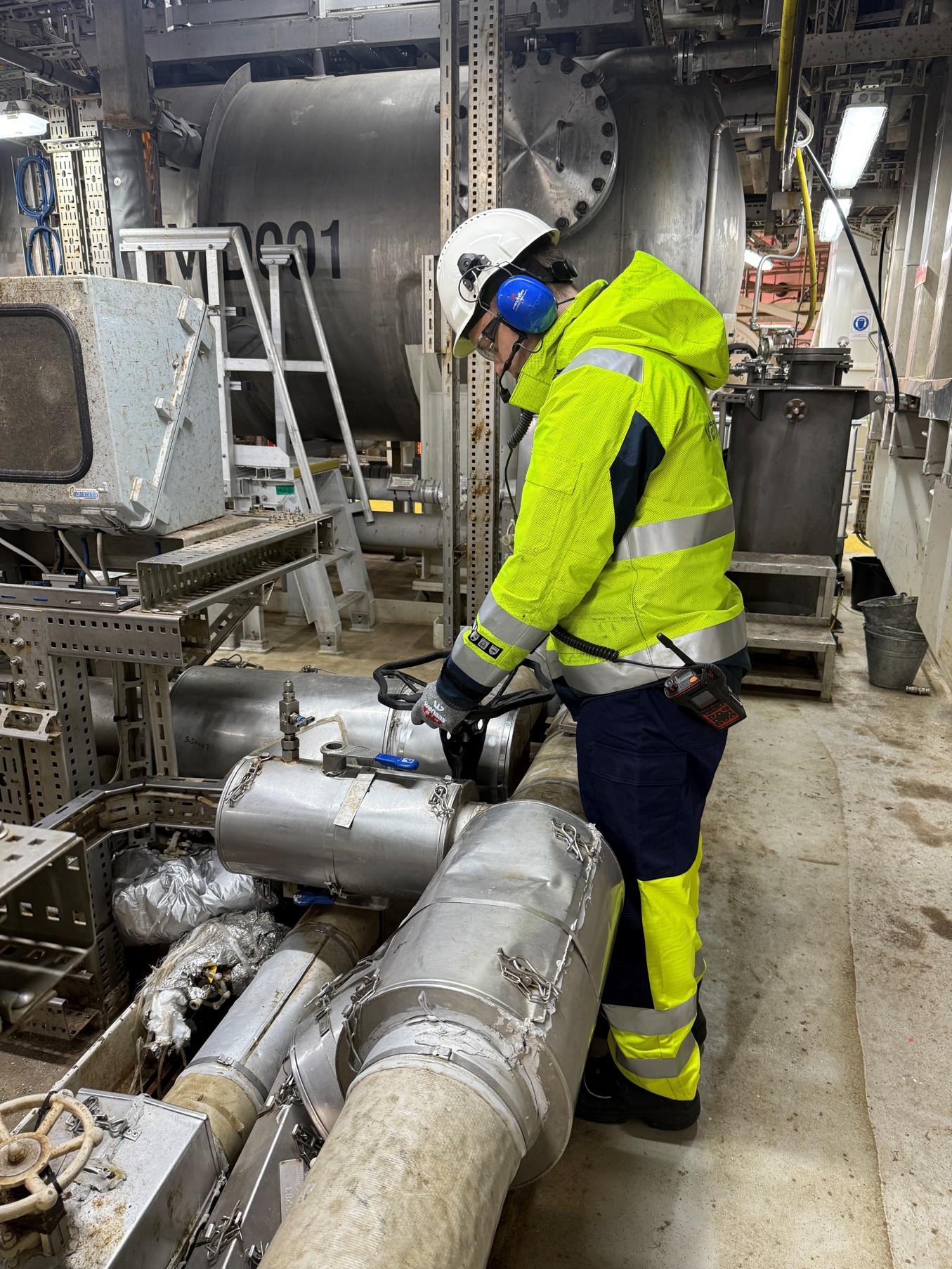
Vår Energi details pragmatic 'print what’s suitable' AM strategy for oil and gas spare parts

Application
Originally reported by 3D ADEPT
Vår Energi, an independent Norwegian upstream oil and gas operator, has publicly detailed its additive manufacturing strategy through an interview with its Portfolio On-demand & AM Implementation Lead, Trine Boyer. The company, a central participant in the Norwegian consortium standardizing digital supply of 3D-printed spare parts alongside Equinor, Kongsberg Ferrotech, SINTEF, and Gassco, is moving from R&D into frontline deployment. Vår Energi’s approach is explicitly pragmatic: it does not pursue AM for every component but applies a suitability filter based on lead time reduction, inventory cost, and part criticality. The strategy focuses on metal AM for low-volume, high-variance spare parts where traditional casting or forging creates unacceptable delays or minimum order quantities.
This disclosure matters because it provides a rare, operationally grounded counterpoint to the technology-push narratives that dominate energy-sector AM coverage. Vår Energi’s “print what’s suitable” framing aligns with the broader industrial pattern where AM succeeds not through wholesale replacement of conventional manufacturing but through targeted insertion into specific supply-chain pain points. The Norwegian consortium’s work on digital spare-part qualification is particularly significant: it addresses the qualification-cost barrier that has historically kept oil and gas adoption fragmented and slow. By standardizing the digital thread from design to certified part, the consortium reduces the per-part qualification overhead that makes AM uneconomical for the long-tail spare parts where it offers the greatest logistical value. Vår Energi’s strategy reflects the energy vertical’s maturation from pilot curiosity to disciplined deployment, though the scale remains modest compared to aerospace or medical.
For AM suppliers targeting the energy sector, Vår Energi’s approach confirms that success depends less on machine speed or build volume and more on integration with existing procurement workflows, material certification pathways, and digital inventory systems. The company’s focus on suitability over novelty means vendors must demonstrate total cost-of-ownership reduction against cast or machined alternatives, not just technical capability. The practical next step for the industry is to watch whether the Norwegian consortium’s qualification framework becomes a template that other energy operators adopt, which would materially expand the addressable market for metal AM spare parts beyond the North Sea.
Topics