Scientific Reports published a study on March 18, 2026, detailing the use of FDM-printed PLA Pro and ABS tools for forming 1 mm thick SS304 and AA6061 sheet metal.
Originally reported by nature.com
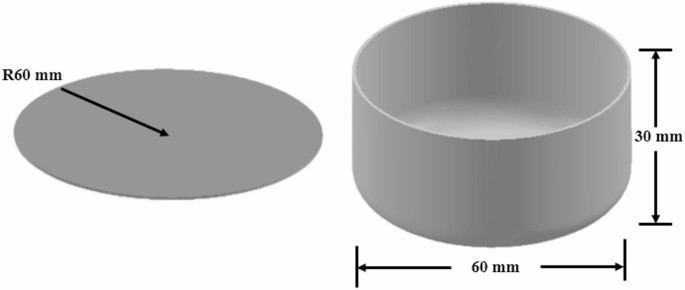
Scientific Reports published a study on March 18, 2026, detailing the use of FDM-printed PLA Pro and ABS tools for forming 1 mm thick SS304 and AA6061 sheet metal. Led by Chandrakant V. Bhatia and a multi-institutional research team, the study successfully demonstrated a maximum drawing ratio of 1.56 in cup drawing operations and validated V-bending accuracy at 30, 45, and 60 degrees. The research utilized finite element analysis to correlate simulated stress distribution with experimental results from 60 physical samples, confirming the geometric integrity of polymer-based tooling for low-volume production.
This research addresses the high cost and long lead times associated with traditional steel or cast-iron tooling in small-batch sheet metal forming. By validating FDM-printed polymer tools for industrial alloys like SS304 and AA6061, the study provides a technical framework for reducing capital expenditure in prototyping and short-run manufacturing. While traditional metal tooling remains the standard for high-volume automotive and aerospace production, this approach offers a viable alternative for rapid iteration, positioning polymer AM as a functional tool-and-die solution for low-force forming applications.
For industrial users, this study confirms that FDM-printed polymers can reliably handle specific sheet metal forming tasks without premature tool failure. Engineers should focus on the validated drawing ratios and material compatibility data provided to determine if polymer tooling is suitable for their specific batch sizes. Future implementation requires careful consideration of tool wear rates and the limitations of polymer compressive strength compared to conventional metallic dies.
This article is an AI-assisted rewrite of the linked source report. Facts originate from the source; phrasing is AMPulse's. Use Read Original below to verify, or Report an issue if something is wrong.
Topics