Shinhan Investment flags Link Solution as key beneficiary of 3D printing demand in humanoid, space, defense sectors

Hardware
Originally reported by nate.com
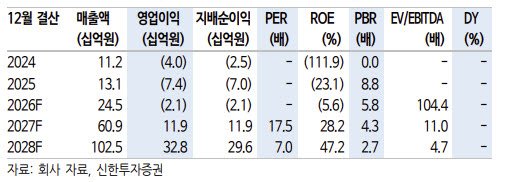
Shinhan Investment has issued a research note identifying Link Solution (474650) as a primary beneficiary of expanding 3D printing demand across humanoid robotics, space, and defense sectors. The analyst highlighted that the company is well-positioned to convert proof-of-concept projects into commercial orders in the second half of 2026, particularly as global adoption of additive manufacturing accelerates in these verticals. The report specifically cited XPeng's use of 3D-printed components in its humanoid robot, SpaceX's Falcon 9 incorporating printed parts, and the broader trend of satellite manufacturers adopting 3D printing to reduce lead times from 30% to as low as 1% of total production time.
This analysis places Link Solution at the intersection of three high-growth demand verticals that are increasingly moving from pilot programs to production-scale adoption. The humanoid robotics segment, driven by Chinese OEMs like XPeng, is creating a new pull for metal AM components, while the space sector's qualification grind is beginning to yield repeatable orders for qualified suppliers. The defense angle is particularly relevant given the politically accelerated wave of AM adoption in 2025-2026, though the report does not specify whether Link Solution's exposure is domestic or export-oriented. The key editorial question is whether the company's current capacity and qualification portfolio can support the transition from PoC to serial production, or whether this remains an analyst projection ahead of confirmed order flow.
From a practical standpoint, the report's emphasis on the second-half 2026 conversion window is the most concrete signal to watch. If Link Solution can demonstrate repeatable production orders in humanoid or space applications by year-end, it would validate the thesis that Korean AM suppliers are gaining traction in global supply chains. For now, the company remains a speculative beneficiary of trends that are real but not yet fully reflected in order books. Investors should focus on announced contracts rather than sector tailwinds alone.
Topics