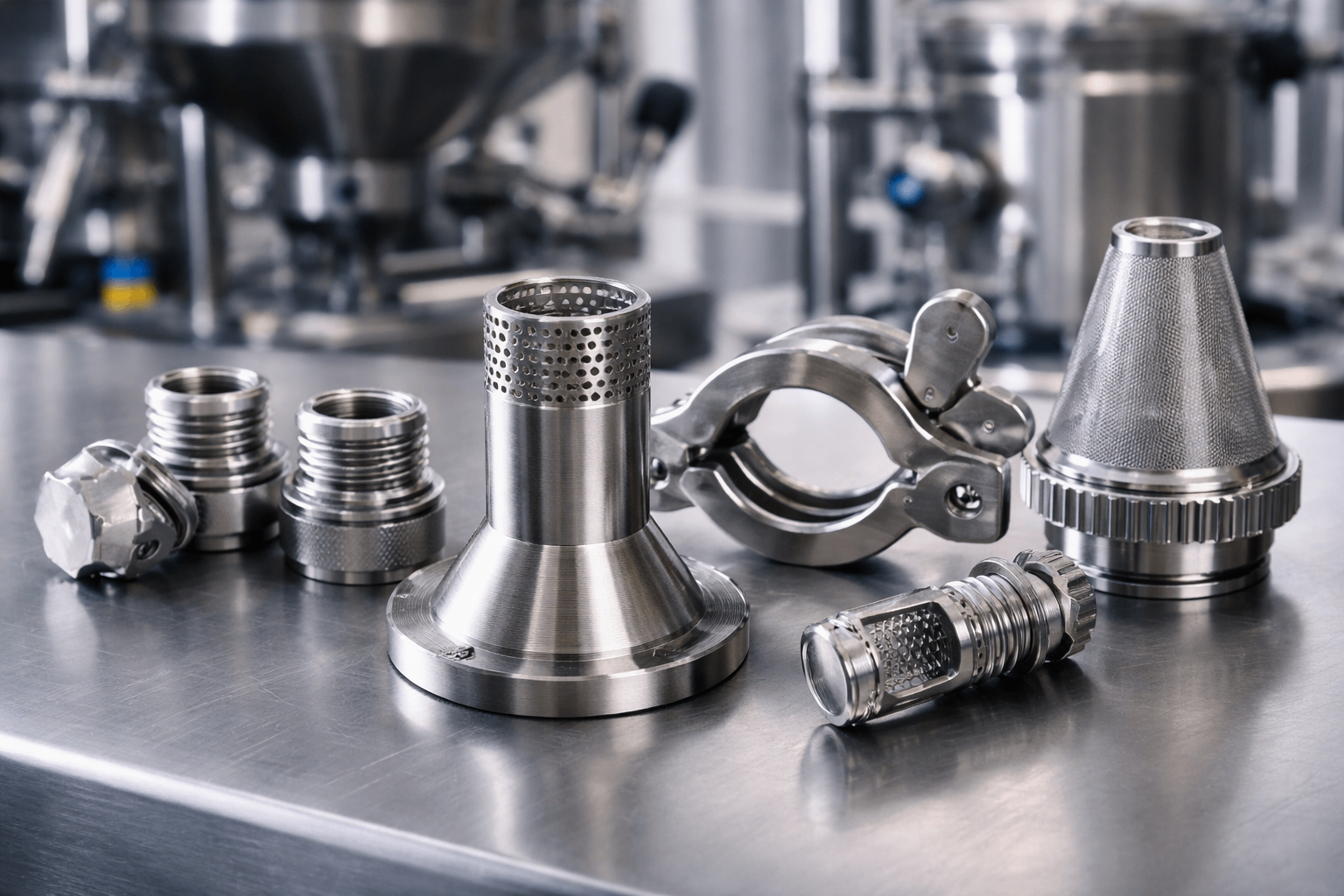
ZSYishang releases technical guide for food-safe metal additive manufacturing processes.
Originally reported by zsyishang.com
ZSYishang releases technical guide for food-safe metal additive manufacturing processes. The document outlines standardized protocols for material selection, post-processing, and quality assurance specifically tailored for high-volume production of metal components in food processing environments. The guide emphasizes the mitigation of surface porosity and chemical leaching risks associated with LPBF and other metal AM technologies when producing parts intended for direct food contact. By detailing these requirements, ZSYishang aims to provide a framework for manufacturers to navigate regulatory compliance for 316L stainless steel and other food-grade alloys.
This release addresses a critical barrier to the adoption of metal AM in the food processing equipment sector, where surface finish and material purity are strictly regulated by agencies like the FDA and EFSA. While competitors often focus on aerospace or medical applications, ZSYishang is positioning itself to capture the niche but high-value market for custom, complex geometry food-handling components that are difficult to machine using traditional subtractive methods. The market for food-safe industrial components is characterized by high demand for corrosion resistance and cleanability, making the standardization of AM post-processing a necessary step for broader industrial integration. This move aligns with the company's broader strategy to move beyond prototyping into series production for specialized industrial end-users.
For manufacturers, this guide provides the necessary technical baseline to evaluate the feasibility of metal AM for food-contact applications. The focus must now shift to validating these processes through rigorous material testing and surface roughness certification to meet international food safety standards. Buyers should prioritize suppliers who can demonstrate consistent adherence to these specific post-processing protocols to ensure long-term component safety and regulatory compliance.
Topics