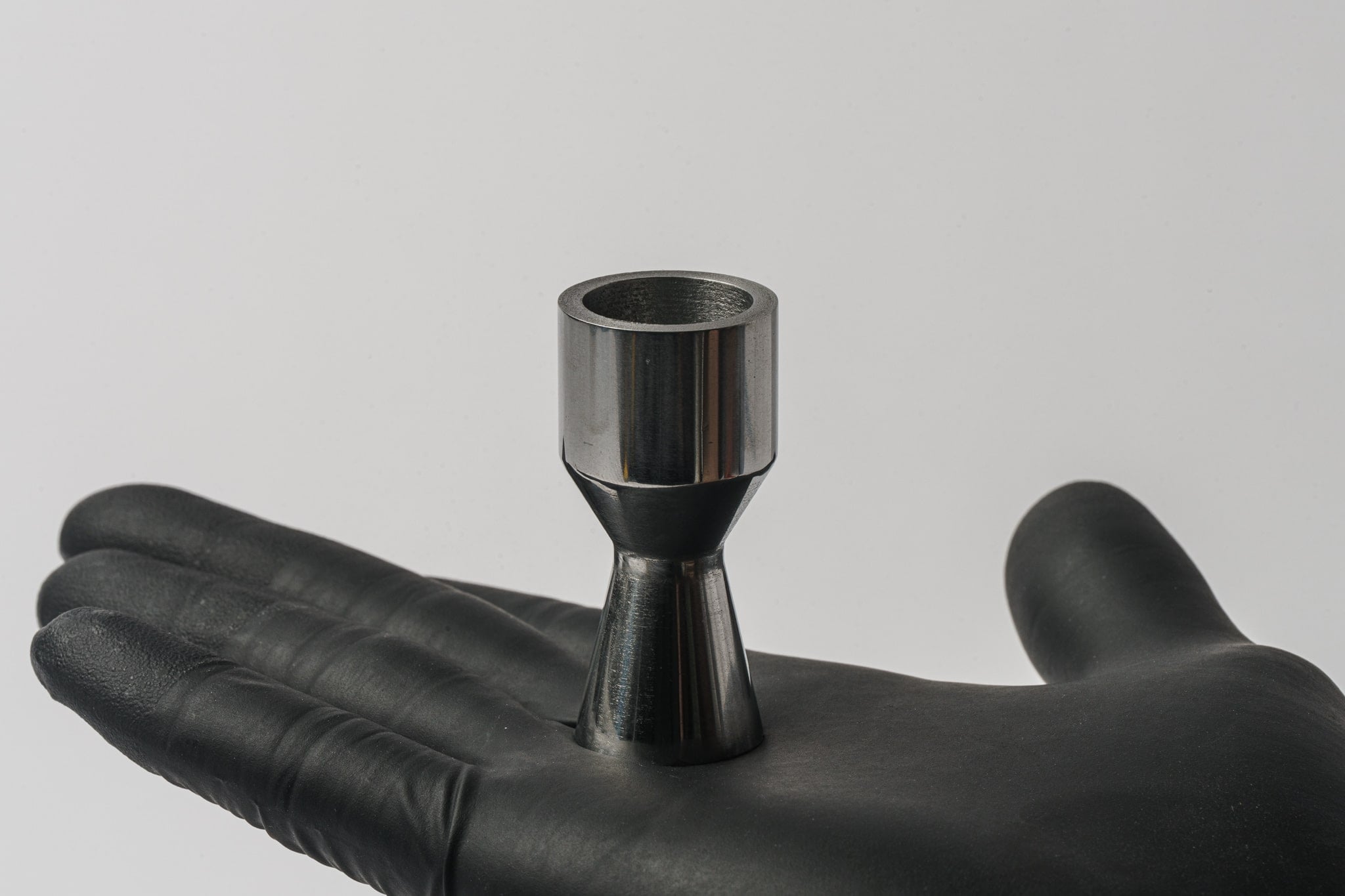
Foundation Alloy raises $22M Series A for solid-state molybdenum manufacturing platform

Materials
Originally reported by 3DPrint.com
Foundation Alloy has closed a $22 million Series A financing round to commercialize its MetalsFIRST solid-state alloy manufacturing platform, which is based on the Fray-Farthing-Chen (FFC) Cambridge process. The company aims to produce molybdenum and refractory complex concentrated alloys (RCCAs) without ever entering the molten state, using a combination of composition design, mechanical alloying, shape forming, and sintering. The funding will support the buildout of a U.S.-based production facility, positioning Foundation Alloy to supply high-temperature materials for defense, aerospace, and nuclear applications. The round was led by undisclosed investors, with the company headquartered in the United States.
This funding arrives at a moment when U.S. defense and aerospace programs are actively seeking domestic sources of refractory metals, particularly molybdenum, which is critical for hypersonics, missile components, armor, and nuclear engineering. Foundation Alloy’s solid-state approach differentiates it from conventional melt-based alloy production, potentially enabling faster iteration into new material compositions and higher purity powders for additive manufacturing feedstocks. The company’s process mirrors the FFC method commercialized by Metalysis in the UK, but Foundation Alloy is focusing specifically on molybdenum and RCCAs, a material family that is gaining attention for its high-temperature performance. If the company can scale its MetalsFIRST platform reliably, it could become a strategic supplier to the U.S. defense industrial base, reducing reliance on foreign-sourced refractory alloys.
For the additive manufacturing industry, the practical significance lies in powder supply chain resilience and material innovation speed. Foundation Alloy must now demonstrate that its solid-state process can produce consistent, specification-grade molybdenum powder at volumes that meet defense qualification timelines. Buyers in aerospace and defense should watch for qualification milestones rather than production promises, as the gap between lab-scale demonstration and program-ready supply remains the critical hurdle. The company’s success will depend on its ability to embed its materials into existing qualification frameworks, not just on the novelty of its process.
This article is an AI-assisted rewrite of the linked source report. Facts originate from the source; phrasing is AMPulse's. Use Read Original below to verify, or Report an issue if something is wrong.
Topics