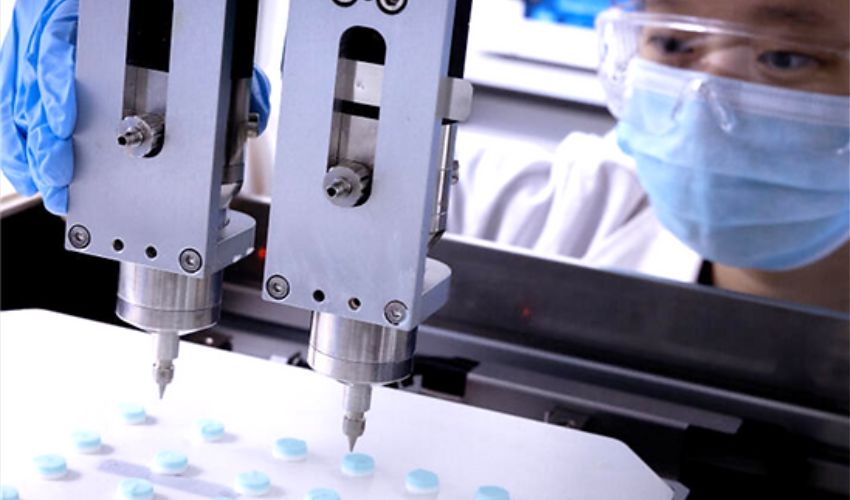
PharmaTher launches Personaliz3D Peptides division, partners with Craft Health to test CraftMake 3D-printed peptide dosing

Application
Originally reported by 3DNatives
Toronto-based PharmaTher Holdings has launched Personaliz3D Peptides, a new division for developing and commercializing personalized peptide therapeutics using 3D printing and AI, and has partnered with Singapore's Craft Health to evaluate CraftMake as the manufacturing platform. CraftMake uses semi-solid paste extrusion at room temperature, without heat or UV curing, and supports single-material, multi-material and pill-in-pill builds for taste-masking and sequential-release dosage forms; Craft Health reports dosing accuracy of roughly plus or minus 1% and repeatability above 99%. The GMP-oriented CraftMake Production Plus configuration adds an enclosed printing environment and dual printheads for concurrent multi-material deposition. The companies plan to evaluate six peptides recently recommended by the FDA's Pharmacy Compounding Advisory Committee for the Section 503A Bulks List: BPC-157, KPV, TB-500, MOTS-c, Epitalon and Semax, across formats including oral thin films and gummies.
The deal pushes extrusion-based pharmaceutical 3D printing past the tablet-printing pilots that have defined the category so far, using paste extrusion rather than the powder-bed or vat-photopolymerization processes more common in industrial AM. The FDA panel's vote is advisory and non-binding, and compounded peptides remain outside formal drug approval, but it signals a possible regulated pathway that PharmaTher's timing is built around. Personalized dosing, controlled-release profiles and multi-drug combinations are the small-batch, complex-geometry production cases conventional tableting handles poorly, the same adoption logic pulling AM into other regulated verticals. PharmaTher also intends to pursue a broader commercial relationship that could place CraftMake systems in qualified pharmacies, extending the work from evaluation toward distributed point-of-care manufacturing.
This article is an AI-assisted rewrite of the linked source report. Facts originate from the source; phrasing is AMPulse's. Use Read Original below to verify, or Report an issue if something is wrong.
Topics