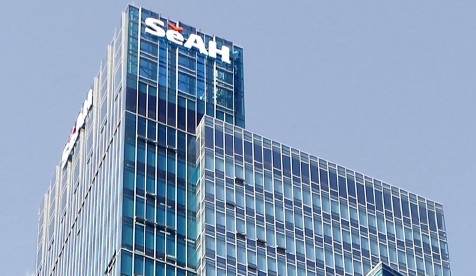
SeAH SST launches 625XP, 718XP, NiX XP superalloy powders for AM, targets 6,000-ton Texas plant and European partnership

Materials
Originally reported by g-enews.com
SeAH Superalloy Technologies (SST), a US-based subsidiary of South Korea's SeAH Besteel Holdings, has publicly unveiled three nickel-based superalloy powders for additive manufacturing: 625XP, 718XP, and NiX XP. The company also disclosed a cast-alloy lineup including IN625, IN718, René N515, and MAR M247. SST is on track for commercial production in the second half of 2026 at its Temple, Texas facility, which is designed for 6,000 tonnes of annual superalloy capacity. The company has also signed an exclusive European distribution partnership with Remelt Sources, a US specialty alloy supplier, to secure pre-production market access. Analysts at Shinhan Securities estimate full-capacity annual revenue of at least KRW 200 billion (approximately $150 million).
This move targets the aerospace and defense supply chain, particularly SpaceX and Lockheed Martin, given the Texas plant's proximity to key US space and defense hubs. The announcement fits the pattern of Asian steel conglomerates pivoting from commodity steel into high-value AM-grade superalloys, leveraging domestic nickel supply chains and US-based production to bypass trade barriers. SST's product launch directly challenges established Western powder producers such as Carpenter Technology, Aubert & Duval, and Praxair Surface Technologies, but with a cost-competitive Korean parentage. The 6,000-tonne capacity is substantial for the AM powder market, which remains supply-constrained for certified aerospace grades. However, no specific customer contracts or qualification timelines have been disclosed, making this a capacity announcement rather than a confirmed revenue event.
From a practical standpoint, SST's success hinges on achieving aerospace-grade certification (AMS, ASTM, or customer-specific specs) and securing offtake agreements before the Texas plant reaches full utilization. The European partnership with Remelt Sources provides a distribution channel, but does not replace the need for individual OEM qualification cycles, which typically take 12–24 months for engine and structural applications. For AM service bureaus and aerospace buyers, SST's entry could eventually lower superalloy powder pricing and reduce lead times, but only after the qualification grind is completed. The company must now execute on metallurgical consistency, lot-to-lot repeatability, and customer audit readiness - the real barriers in this segment.
This article is an AI-assisted rewrite of the linked source report. Facts originate from the source; phrasing is AMPulse's. Use Read Original below to verify, or Report an issue if something is wrong.