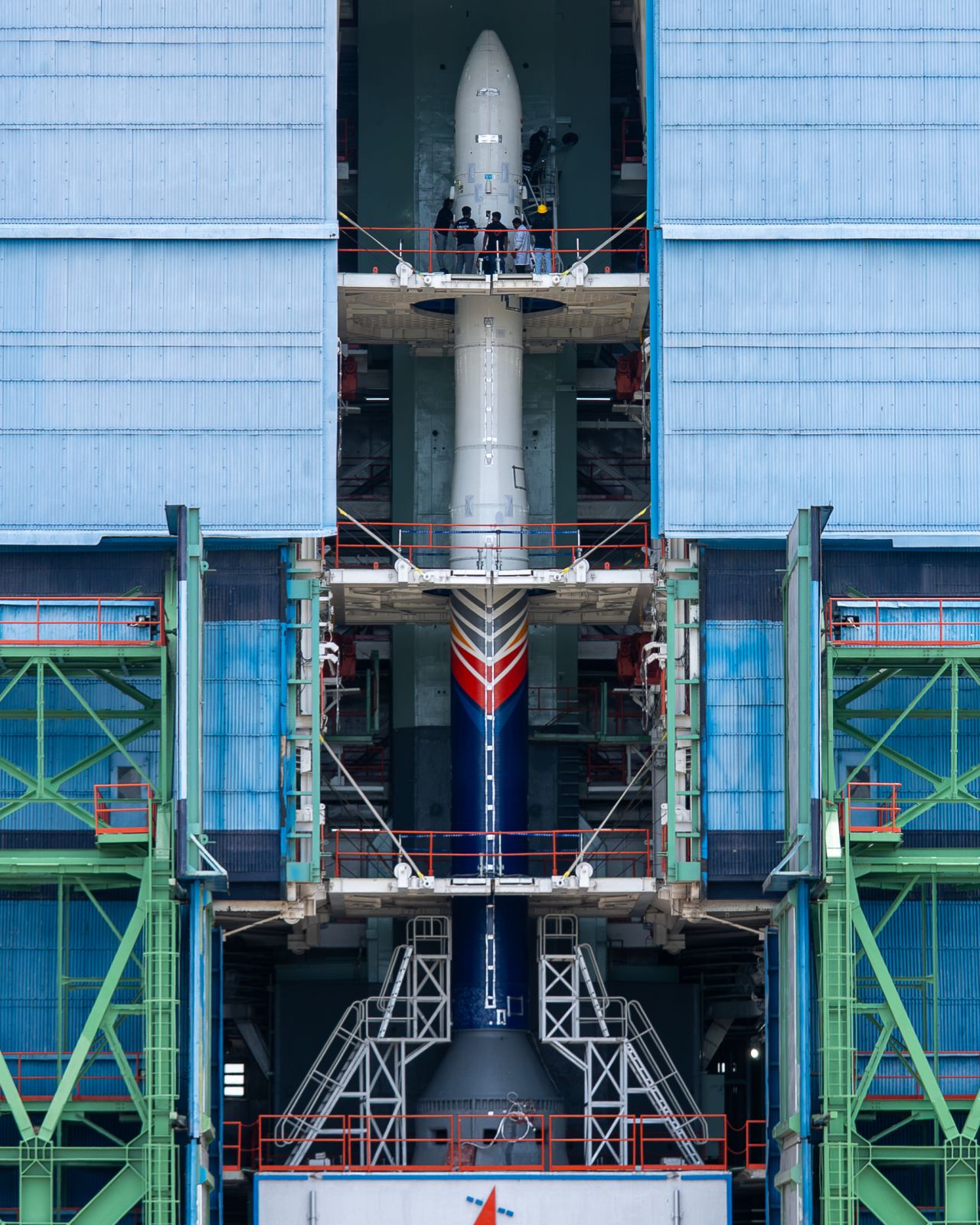
Skyroot's Vikram-1 Reaches 450km Orbit on 3D Printed Raman-1 Engines, India's First Private Orbital Launch

Hardware
Originally reported by 3D Printing Industry
Skyroot Aerospace's Vikram-1 reached a 450km low Earth orbit on July 18, becoming the first private Indian rocket to reach orbit and deploying six payloads during a 16-minute flight from Sriharikota. The vehicle's fourth stage, an Orbital Adjustment Module, ran on a cluster of Raman-1 liquid-propellant engines built by additive manufacturing, engines capable of restarting in vacuum, which Skyroot used to place payloads into separate, precise orbits. Skyroot calls it India's first fully 3D printed orbital engine. The mission, named Aagman, puts India alongside the US and China as the only countries with a private company that has reached orbit.
Skyroot says the shift from cast and machined engines to 3D printed hardware cut production time from months to days per unit, supporting a stated cadence of one complete rocket per month at its Hyderabad factory. That production speed underpins the company's pitch: dedicated, on-demand small-satellite launches booked to a specific orbit rather than shared rideshare slots. The airframe stays carbon-composite and conventionally built, so the printed-engine bet is deliberately scoped to propulsion rather than the whole vehicle, a narrower approach than the print-everything thesis some new-space entrants have chased with mixed results.
Vikram-1 is rated for up to 350kg to LEO or 260kg to Sun-synchronous orbit; a second Vikram-1 test flight precedes commercial launches next year. Vikram-II, planned for 2027, swaps the printed liquid stage for an advanced cryogenic engine and scales capacity to 900kg LEO and 600kg SSO, testing whether the manufacturing cadence holds as the engine class changes.
Topics