STARK Raises €500M at €3.5B Valuation for Drone and Defense Production Scale-Up

Hardware
Originally reported by tectonicdefense.com
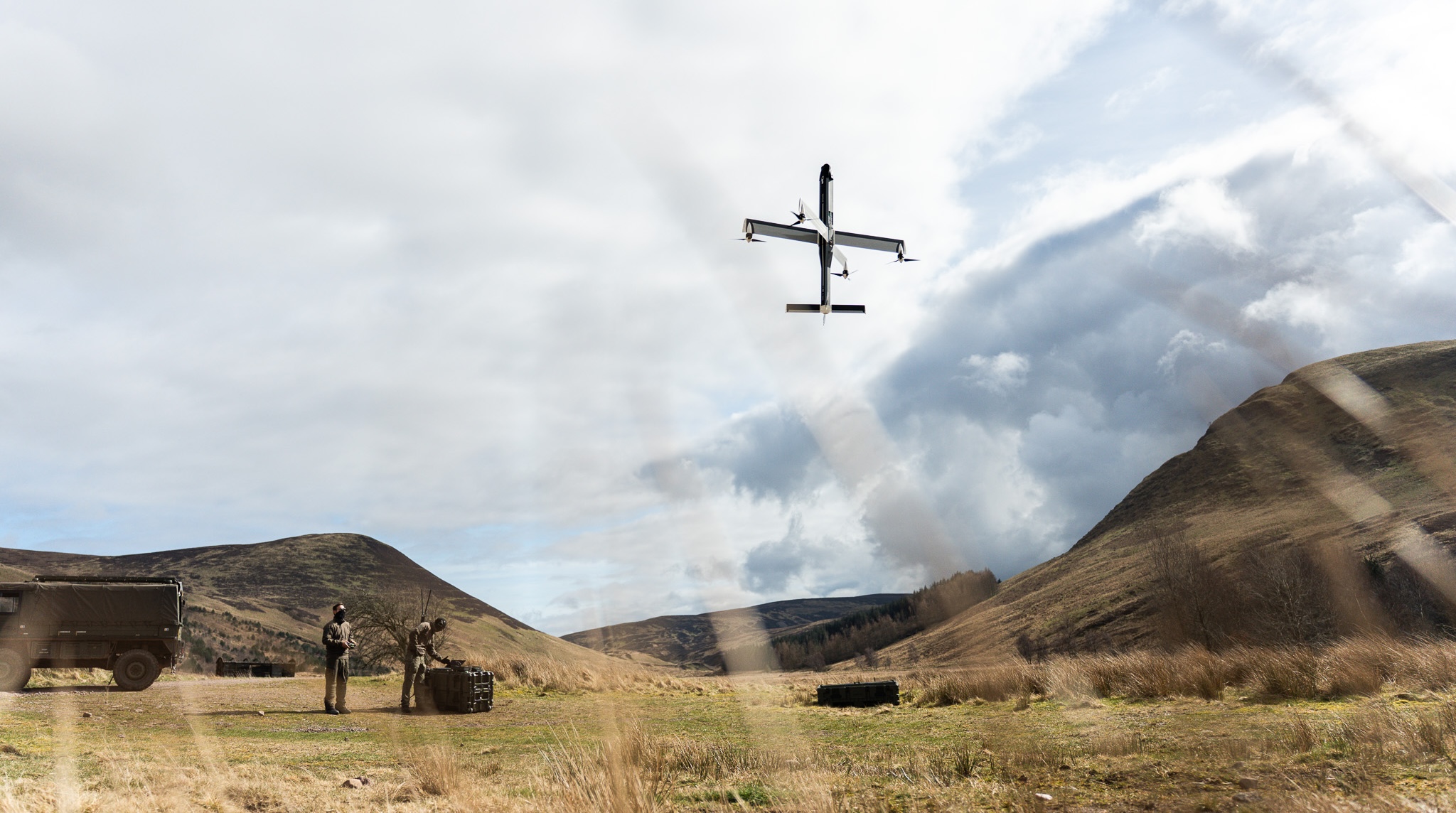
German defense drone startup STARK has raised €500 million ($567 million) in a funding round led by Founders Fund and Sequoia Capital, valuing the two-year-old company at €3.5 billion ($3.97 billion). The round also included the NATO Innovation Fund, Project A, Air Street Capital, 201 Ventures, Advent International, and Döpfner Capital. STARK, founded in 2024, has rapidly expanded its product line from the Virtus loitering munition and Minerva C2 software to include the Cascade tube-launched munition, Gambit ISR quadcopter, and Vanta unmanned surface vessel. The company stated that over 80% of the capital will go into R&D and manufacturing, including new electronic warfare research facilities and scaling production to thousands of systems per month.
This funding reflects the accelerating defense tech investment wave in Europe, particularly in Germany following its Zeitenwende policy shift. STARK's trajectory mirrors the broader pattern of defense startups scaling rapidly through government framework contracts and venture capital, bypassing traditional prime contractor timelines. The company's acquisition of AeroMass Technologies in December 2025 for advanced manufacturing capabilities signals an intent to vertically integrate production, though the specific AM processes involved remain undisclosed. This move places STARK alongside peers like Helsing and Quantum Systems in a cohort of European defense startups that are reshaping the supplier landscape, with AM likely playing a role in rapid prototyping and low-volume production of drone components.
For the AM industry, STARK's scale-up represents a potential demand signal for production-grade additive manufacturing in defense applications, particularly for lightweight drone structures and munition housings. The company's need to produce thousands of systems per month will test whether AM can deliver at volume for defense, or whether traditional manufacturing will dominate. The practical question is whether STARK's manufacturing investments will prioritize AM for design iteration speed or fall back on conventional methods for cost efficiency at scale.
Topics