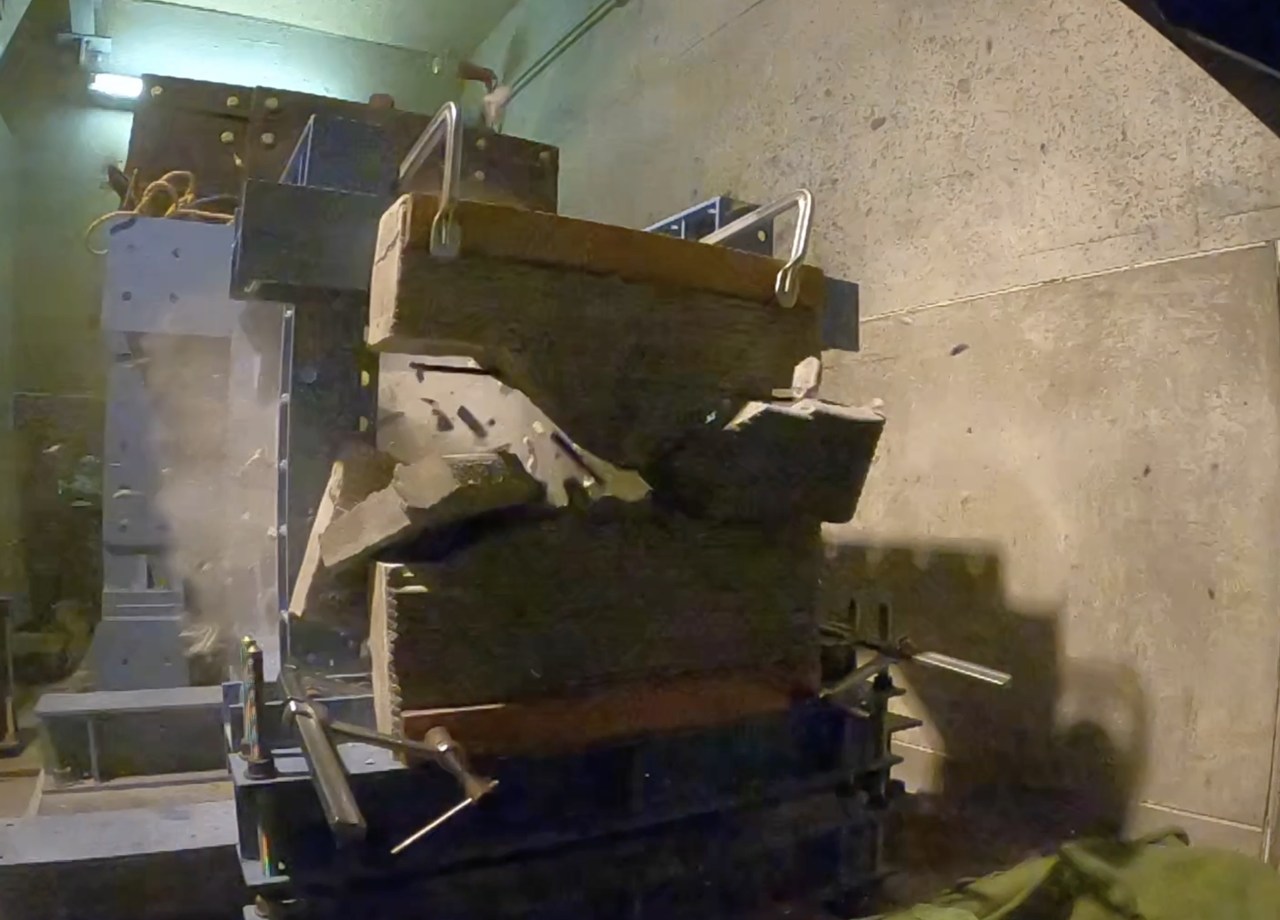
Serendix conducts projectile impact test on 3D-printed concrete structures

Hardware
Originally reported by SEKAPRI
Serendix, a 3D-printed home manufacturer headquartered in Nishinomiya, Hyogo Prefecture, Japan, has completed a projectile impact test on 3D-printed concrete structures. The company used its construction-scale 3D printer to fabricate multiple structural specimens, some with specialized surface treatments, and then fired metal projectiles at high velocity to compare impact resistance. Results showed clear differences in durability depending on structural geometry and processing method, yielding what Serendix describes as useful data for research into high-protection structures. The company will exhibit a 3D-printed concrete blast shelter and drone base at the Farnborough International Airshow 2026 in the UK from July 20, leveraging these test results.
This test moves construction AM beyond the dominant narrative of low-cost housing into a defense-adjacent performance envelope. Serendix is effectively applying the same concrete-printing process family to two very different demand verticals: affordable housing for Ukraine reconstruction and hardened shelters for military use. The dual-use strategy mirrors a broader pattern in AM where a single process platform-here, large-format concrete extrusion-can serve civilian and defense customers if the material and geometry data are credible. The Farnborough Airshow presence, specifically within the Japan Ministry of Defense booth, signals that Serendix is pursuing formal qualification pathways rather than speculative marketing. The key open question is whether the impact data Serendix collected will translate into certified blast ratings from a recognized defense or civil engineering standards body, which would be the difference between a demonstration and a procurement-ready product.
For the construction AM segment, this is a practical step toward proving that 3D-printed concrete can meet structural protection standards, not just cost and speed targets. Serendix must now convert these test results into repeatable, certified build procedures if it wants to move beyond prototype shelters into program-scale defense contracts. The company's concurrent work on Ukraine reconstruction housing gives it a rare dual-track revenue base, but the defense side will demand a much longer qualification grind than the humanitarian side.
Topics